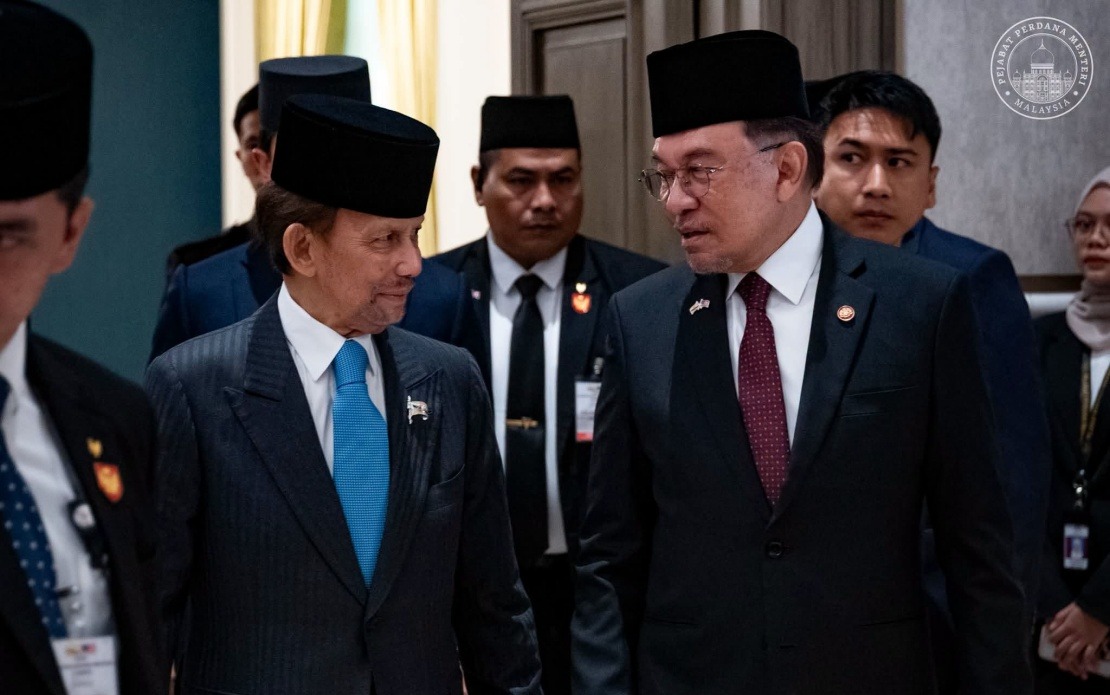
Prime Minister Datuk Seri Anwar Ibrahim has publicly thanked Sultan Hassanal Bolkiah of Brunei Darussalam for reaching out with concern about his wellbeing and offering prayers on his behalf. The Brunei monarch initiated contact through a phone call to the Malaysian leader, demonstrating the close diplomatic ties between the two neighbouring nations. In response shared via social media, Anwar reciprocated the sentiments by wishing His Majesty continued good health and divine protection.
The exchange of warm regards comes in the aftermath of Anwar's elective laparoscopic procedure performed last Monday to address a para-umbilical hernia. Following the surgical intervention, Malaysia's premier remains under the watchful eye of a dedicated team of medical specialists who are closely monitoring his recovery and overall health status.
The bilateral relationship between Malaysia and Brunei has long been characterised by strong diplomatic and economic cooperation, underpinned by shared cultural values and geographic proximity. Such gestures of personal concern from senior leadership reinforce these bonds at both the institutional and personal levels. The Brunei Sultan's proactive outreach reflects the tradition of courteous engagement maintained between the two monarchies and governmental structures across the decades.
Looking ahead, Anwar's recovery timeline appears to be proceeding as expected, with the Prime Minister maintaining his official commitments despite his recent hospitalisation. He has confirmed plans to travel to Bandar Seri Begawan in the coming week to participate in the 27th Annual Leaders' Consultation, a biennial forum that serves as a cornerstone mechanism for dialogue and coordination between Malaysian and Bruneian governments. This scheduled meeting underscores the continuity of bilateral engagement regardless of unforeseen personal circumstances affecting either leader.
The Annual Leaders' Consultation represents one of Southeast Asia's most substantive interstate engagement platforms, providing a structured environment for discussing matters spanning trade, security, maritime concerns, and regional stability. These consultations have historically addressed pressing issues including transboundary environmental management, energy cooperation, and coordinated responses to regional challenges that affect both nations' interests.
Anwar's determination to proceed with his scheduled diplomatic engagement despite his recent surgery speaks to the strategic importance both governments place on maintaining momentum in their bilateral relationship. The timing of his visit, occurring shortly after his medical procedure, also signals confidence in his recovery trajectory and his fitness to execute the demanding responsibilities of his office.
From a broader Southeast Asian perspective, the cordial exchange between the Malaysian and Brunei leaderships exemplifies the diplomatic culture of ASEAN member states, where personal relations between leaders complement institutional frameworks. Such courtesies, while seemingly ceremonial, carry substantive weight in maintaining the trust and mutual respect essential for effective regional cooperation during periods of geopolitical transition and economic uncertainty.
Brunei's own strategic positioning in Southeast Asia has been evolving, particularly as it seeks to diversify its economic base beyond petroleum revenues while maintaining its distinctive cultural and religious identity. The strength of Malaysia-Brunei relations provides Brunei with a reliable partnership during this transitional period, offering opportunities for economic collaboration and knowledge exchange.
The Malaysian public's familiarity with such high-level diplomatic courtesies reflects the maturity of institutional relationships between ASEAN nations. Anwar's public acknowledgment of the Sultan's concern, shared through official channels and social media, demonstrates the contemporary nature of diplomatic communication while maintaining traditional protocols of respect and formality.
As Anwar continues his recovery while managing the intense workload of the Prime Minister's office, the support expressed by regional leaders like Sultan Hassanal Bolkiah provides both personal reassurance and reinforcement of Malaysia's standing within Southeast Asia's political architecture. His planned attendance at the forthcoming Leaders' Consultation suggests a swift return to full operational capacity, reassuring stakeholders both domestically and across the region of continuity in Malaysia's governance and foreign policy direction.
The incident also highlights how personal health challenges affecting national leaders can be navigated within ASEAN's culture of discretion and mutual consideration. While transparency regarding Anwar's condition has been maintained through official health bulletins, the emphasis has remained on his continued capacity to lead rather than sensationalising the medical procedure itself. This measured approach reflects ASEAN norms around protecting the dignity of national leaders while keeping the public appropriately informed.

