%22%2F%3E%3C%2Fpattern%3E%3C%2Fdefs%3E%3Crect%20width%3D%22100%25%22%20height%3D%22100%25%22%20fill%3D%22url(%23ph3dliig)%22%2F%3E%3Crect%20width%3D%22100%25%22%20height%3D%22100%25%22%20fill%3D%22url(%23ph3dliip)%22%2F%3E%3Ctext%20x%3D%2250%25%22%20y%3D%2250%25%22%20text-anchor%3D%22middle%22%20dominant-baseline%3D%22central%22%20fill%3D%22rgba(255%2C255%2C255%2C0.95)%22%20font-family%3D%22Georgia%2C%20'Times%20New%20Roman'%2C%20serif%22%20font-weight%3D%22700%22%20font-size%3D%22272%22%20letter-spacing%3D%22-0.02em%22%3EAnwar%3C%2Ftext%3E%3C%2Fsvg%3E)
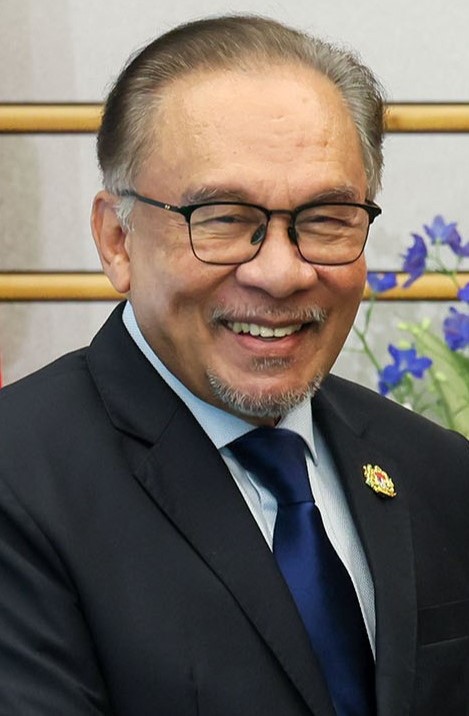
Prime Minister Datuk Seri Anwar Ibrahim is making his second visit to Johor within a span of three days, underlining the federal government's push to dominate the state election campaign as polling day approaches. The rapid succession of visits demonstrates the strategic weight the administration places on securing electoral victory in a state that has historically been contested between the ruling coalition and opposition forces, with control of Johor carrying significant implications for federal politics and regional stability.
Johor holds particular importance in Malaysian electoral mathematics. As the nation's second-largest state by population and the economic powerhouse of southern Malaysia, its voting patterns often set the tone for broader political shifts across the country. The state's diverse demographic composition—spanning urban centres like Johor Bahru, industrial zones, and rural constituencies—makes it a barometer for public sentiment across different socioeconomic groups. When the prime minister deploys intensive campaign efforts there, it signals deep concern about retaining ground the government considers essential.
Anwar's aggressive schedule reflects the Pakatan Harapan coalition's understanding that state elections serve as crucial midterm tests of federal government performance. Voters in Johor will be evaluating not just state-level governance but also the broader direction of national policy, economic management, and administrative effectiveness under the current federal administration. The stakes transcend local issues, as strong performances in state elections typically bolster a government's political capital heading into general elections.
The timing of these visits coincides with heightened campaign activity across all political parties contesting the election. Opposition forces have similarly intensified their presence in the state, setting up a competitive electoral environment where multiple coalitions are simultaneously attempting to mobilize voter support. This crowded campaign landscape means that every appearance by a senior political figure, particularly the prime minister, receives substantial media attention and shapes public discourse around the contest.
Johor's economic significance amplifies the importance of these campaign efforts. The state remains a crucial node in Malaysia's manufacturing and trade networks, hosts major petrochemical and refining facilities, and serves as a gateway to Singapore and international markets. Election outcomes here directly influence state government capacity to manage infrastructure development, industrial relations, and economic policy—issues that resonate strongly with voters concerned about employment, business conditions, and long-term prosperity.
The political composition of Johor has shown notable volatility in recent election cycles. The state has swung between different coalitions and has sometimes produced mixed outcomes where power is divided between state and federal levels controlled by different political alliances. This unpredictability makes the state a priority for any government seeking to consolidate political control and avoid the administrative complications that arise when state and federal governments operate under opposing political leaderships.
Anwar's personal profile as a campaigner carries weight with significant voter demographics, particularly among urban professionals, younger voters, and those concerned with governance standards and anti-corruption initiatives. His presence in Johor serves multiple strategic purposes: directly appealing to constituencies that respond to his political message, demonstrating federal government engagement with state concerns, and generating media coverage that shapes the broader campaign narrative in an environment where information competition is intense.
The electoral contest in Johor occurs within a broader context of regional political dynamics affecting Southeast Asia. Malaysia's internal political stability and the performance of its federal institutions influence broader regional perceptions of governance quality and political predictability. Election outcomes here therefore carry implications beyond Malaysia's borders, affecting investor confidence, regional diplomatic relationships, and the broader trajectory of democratic institutions across Southeast Asia.
Campaign intensity in Johor also reflects resource allocation decisions by competing political organizations. The concentration of prime ministerial visits indicates the administration believes victory here remains achievable but requires sustained effort and visible commitment. Conversely, the intensity of opposition campaign efforts suggests confidence that voter dissatisfaction or shifting preferences create opportunities for gaining ground in a state previously considered secure for the ruling coalition.
The rapid pace of Anwar's visits indicates the campaign has entered its decisive phase. Repeated prime ministerial appearances serve to saturate the political environment with the government's messaging while simultaneously demonstrating that senior federal leadership takes Johor voters seriously and regards their decision as consequential. This high-profile engagement strategy attempts to mobilize supporter turnout while attempting to persuade persuadable voters that the federal government merits continued support.
Voter expectations in Johor extend beyond traditional campaign promises to encompass demonstrable evidence of government effectiveness on matters directly impacting daily life. Infrastructure quality, educational standards, healthcare delivery, and business environment quality are practical concerns that Johor voters evaluate alongside partisan political messaging. Campaign effectiveness therefore depends not merely on rhetorical appeal but on perceived track record of government performance in delivering tangible improvements.
The intensity of Johor campaigning highlights how state elections in Malaysia function as consequential political events rather than merely local contests. The convergence of multiple political actors competing for voter support, the state's economic and demographic significance, and the implications for federal political calculations all converge to make Johor a focal point for national political attention during election periods.