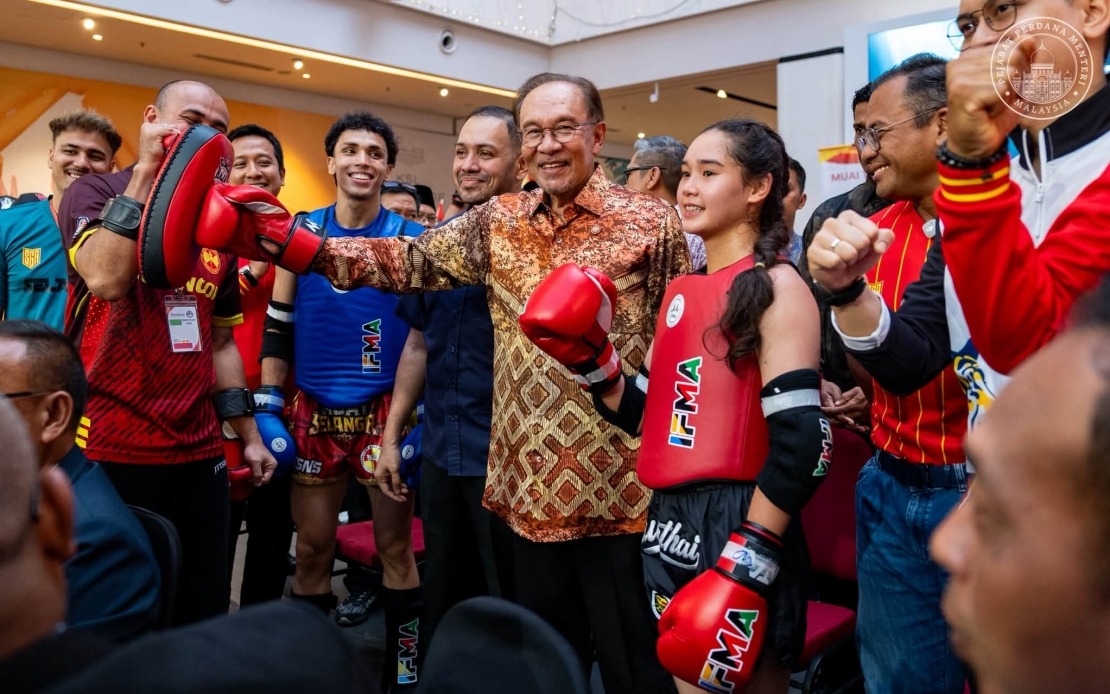
Prime Minister Datuk Seri Anwar Ibrahim has voiced optimism about the calibre of young sporting talent on display at the 2026 Selangor Malaysia Games, suggesting that many of the competitors could mature into international representatives for the country. Speaking through a Facebook post following his visit to the Games, Anwar highlighted the exceptional qualities he observed among the athletes, particularly their demonstrated commitment, mental fortitude and professional approach to their respective disciplines.
Anwar's remarks came after he attended several Muay Thai events during the competition, affording him direct contact with many of the young competitors. His comments reflect a broader recognition within Malaysia's political leadership of the importance of cultivating homegrown sporting excellence and ensuring a robust pipeline of talent for international competitions. The Prime Minister's intervention also underscores the government's investment in youth development through major sporting events, viewing such platforms not merely as regional competitions but as crucial incubators for future national champions.
The 2026 Selangor Malaysia Games represents a significant undertaking for the state, which returns as host after an interval of 28 years. This extended gap highlights both the scale of preparation required and the symbolic importance of bringing the biennial event back to Selangor's competitive calendar. The Games are attracting more than 5,000 young athletes from all regions of Malaysia, who are vying for 468 gold medals across 37 different sporting disciplines. This breadth of competition ensures exposure across multiple sports, creating opportunities for talent scouts and national sports bodies to identify promising candidates across various fields rather than concentrating solely on traditional medal-winning sports.
The extended duration of the Games, running until August 24, allows for comprehensive competition schedules and multiple rounds that provide athletes with experience managing pressure, recovery, and competitive psychology—factors that prove invaluable when transitioning to international tournaments. The sheer number of participants and the geographic diversity they represent means that regional disparities in sporting infrastructure and training access become less determinative than individual talent and determination, potentially unearthing diamonds in areas that have previously received limited sporting investment.
Anwar's focus on Muay Thai specifically reflects Thailand's significant influence in Southeast Asian sporting culture and Malaysia's competitive interest in the discipline at regional and international levels. His presence at these particular events signals governmental recognition of combat sports as legitimate pathways to international success, an area where Malaysian athletes have historically demonstrated competitive ability. The visibility afforded by a Prime Ministerial visit also serves to elevate the status of these sports within the national consciousness, potentially encouraging greater parental support and institutional backing for young practitioners.
The discipline and spirit that Anwar identified among the competitors speaks to the effectiveness of the SUKMA platform in developing not only technical athletic skills but also the mental and character attributes necessary for high-performance sport. Young athletes who demonstrate such qualities early frequently translate that foundation into sustained success at senior levels, whether competing domestically or internationally. The Games therefore function as both an immediate competition and a talent identification mechanism for Malaysia's national sporting bodies, who monitor performances and identify athletes worthy of inclusion in more intensive development programmes.
The return of SUKMA to Selangor carries implications for the state's broader sporting infrastructure and legacy. Major events of this scale typically stimulate facility development and attract coaching expertise to the region, benefits that extend beyond the competition period. Enhanced training facilities and coaching talent tend to remain in place after major events, creating sustained advantages for local athletes and potentially fostering clusters of excellence in particular sports within the host region.
For Malaysian sport more broadly, Anwar's comments reflect a strategic perspective on talent development that emphasises the importance of early identification and systematic nurturing. The pathway from SUKMA through to national teams and international representation has historically produced competitive athletes, suggesting that the Prime Minister's confidence is grounded in documented success rates rather than mere optimism. However, translating SUKMA success into sustained international performance requires ongoing investment beyond these Games, including coaching development, sports science support, competition opportunities at progressively higher levels, and financial resources for athletes to pursue their disciplines without interruption.
The competitive context of Southeast Asia adds particular relevance to Anwar's observations. Regional rivals including Thailand, Vietnam, and Indonesia have invested substantially in youth sporting development, viewing such investment as contributing to national prestige and soft power. Malaysia's maintenance of a competitive SUKMA platform and systematic talent identification ensures that the country remains positioned to compete effectively within regional rankings and retains the opportunity to bid for representation at regional and global championships.
Looking forward, the test of Anwar's assessment will lie in whether the athletes he encountered at the 2026 Selangor Malaysia Games successfully translate their current performances into competitive achievements at senior national and international levels. This requires not only individual talent and dedication but also sustained institutional support, strategic competition planning, and access to coaching expertise and sports science resources that many developing sporting nations struggle to provide consistently. The Prime Minister's visible engagement with these young athletes sends an important signal about governmental prioritisation of sporting development, potentially influencing resource allocation decisions across relevant government agencies and sports bodies in the months and years ahead.

