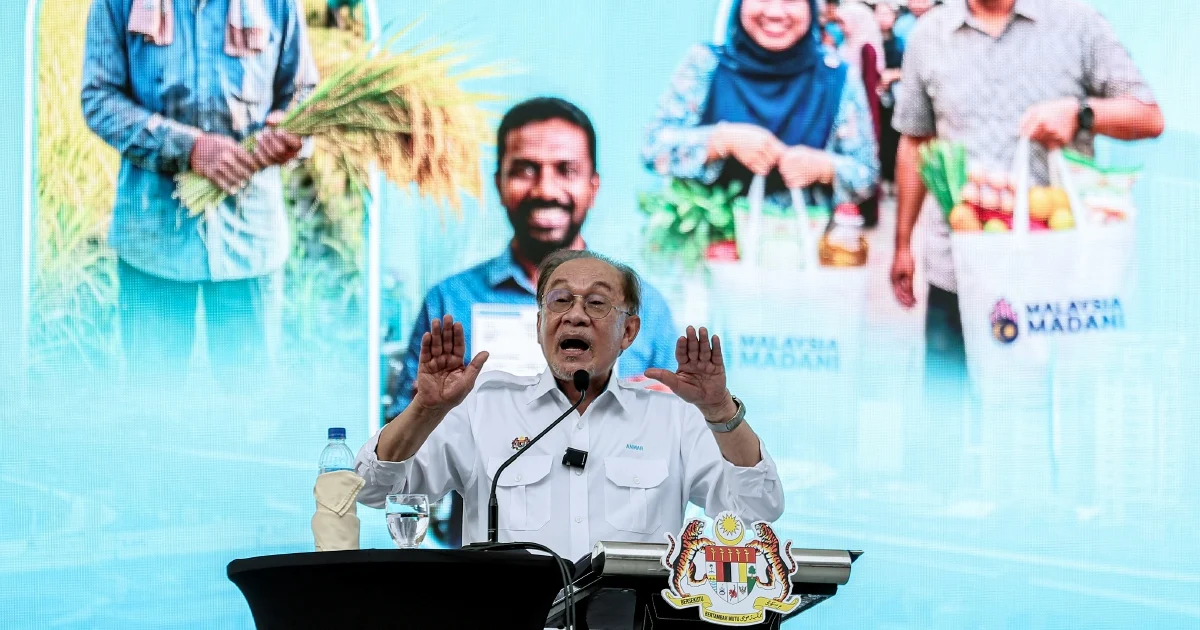
Prime Minister Anwar Ibrahim has unveiled a significant boost to federal support for community safety organisations across Malaysia, raising the annual grant allocated to Neighbourhood Watch Areas from RM6,000 to RM10,000. The enhanced funding will take effect on January 1, 2027, marking a 67 per cent increase that reflects the government's commitment to strengthening grassroots security infrastructure.
The announcement, made during a visit to Segamat, signals the administration's growing emphasis on community-driven policing and neighbourhood cohesion as complementary mechanisms to formal law enforcement. Neighbourhood Watch Areas, known locally by their Malay acronym KRT, form the backbone of civilian participation in crime prevention across residential communities and semi-urban townships throughout the country. These volunteer organisations coordinate regular patrols, communicate safety alerts, and liaise with police to address local security concerns.
The expanded funding represents a recognition of the escalating operational costs faced by KRT units. Increased petrol expenses, maintenance of communication equipment, and expansion of patrol coverage have strained the budgets of many neighbourhood organisations, particularly in suburban and rural areas where volunteer contributions are already stretched thin. By doubling the government allocation per organisation, the policy aims to relieve financial pressure and enable KRT coordinators to allocate resources more effectively toward their core mission of community protection.
For Malaysia's approximately 8,000 Neighbourhood Watch Areas, this injection of additional capital carries meaningful implications. Units operating in lower-income districts can now invest in better-quality torches, communication devices, and safety signage without depleting community fundraising reserves. The increased funding also creates scope for training programmes, enabling coordinators to upskill members in conflict de-escalation, first aid, and coordinated communication protocols that enhance their effectiveness.
The timing of the announcement, positioned for implementation at the start of 2027, allows the government to incorporate this budgetary commitment into regular financial planning cycles. It also provides sufficient lead time for KRT administrators to plan expenditure and identify priority areas for investment. Some organisations may direct additional funds toward expanding patrol frequency, particularly during night hours when residential areas face heightened vulnerability to theft and property crime.
From a policy perspective, the move reflects broader government strategy to decentralise security responsibility and strengthen the social fabric that underpins neighbourhood safety. Rather than expanding police force headcount at considerable expense, community-based approaches leverage existing volunteer networks and foster a sense of collective responsibility for local wellbeing. When residents and their elected representatives participate actively in crime prevention, the approach generates trust and information flows that professional law enforcement alone cannot achieve.
Statewide implementation will be uneven, with variations reflecting different socioeconomic conditions, population density, and existing security challenges. Urban KRT units in Kuala Lumpur, Selangor, and Penang may utilise increased funding for technological upgrades such as CCTV integration or mobile alert systems, while rural organisations in Pahang, Terengganu, or Sabah might prioritise basic equipment and vehicle maintenance for extensive patrol routes. Federal policy allows this flexibility, recognising that one standardised approach cannot address the diverse security contexts across Malaysia's varied geography.
The announcement also carries political significance, with Anwar visiting Segamat to connect with constituency concerns ahead of continued governance. Such initiatives demonstrate tangible commitment to local development priorities and resonate with residents who perceive neighbourhood safety as a fundamental government responsibility. Grassroots organisations that have long advocated for improved funding will view the increase as validation of their advocacy efforts and enhanced official recognition of their volunteer contributions.
Looking ahead, the January 2027 disbursement date creates anticipation among KRT coordinators nationwide who will soon begin drafting budget proposals around the expanded allocation. Training providers and equipment suppliers serving the neighbourhood watch sector can expect increased demand for products and services as organisations prioritise spending. Police departments maintaining liaison relationships with KRT units should be prepared to support these organisations through the transition, ensuring they understand options available for deploying additional resources.
The increase also invites broader questions about complementary investments in community security infrastructure. Stakeholders may advocate for parallel expansion of police community liaison programmes, youth engagement initiatives, or street lighting improvements that would amplify the effectiveness of enhanced neighbourhood watch capabilities. The grant announcement creates momentum for sustained focus on grassroots security as a policy pillar, potentially laying groundwork for future enhancements to the ecosystem supporting community-driven safety programmes across the nation.