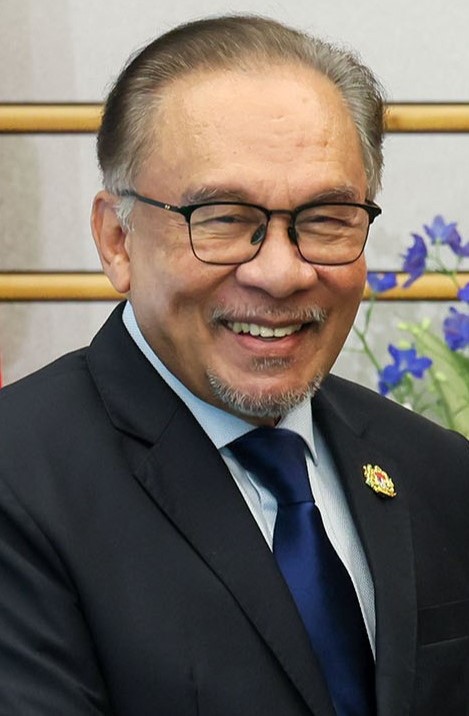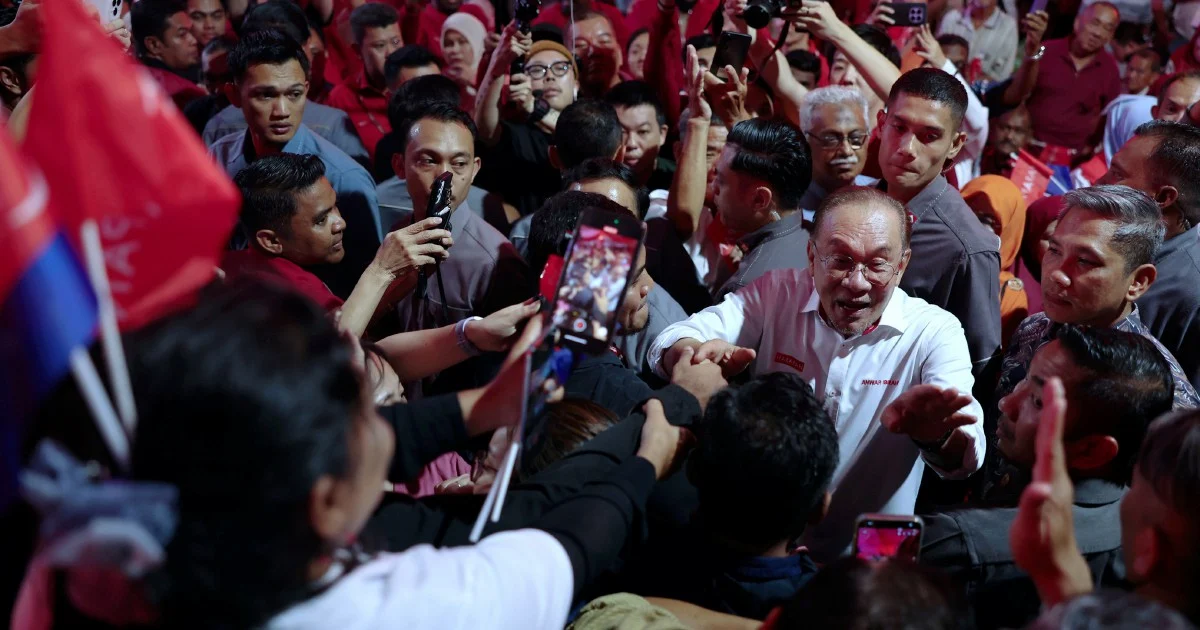
Pakatan Harapan has thrown its full weight behind the forthcoming Johor state election by officially unveiling its complete roster of 56 candidates, a strategic move aimed at consolidating opposition strength in one of Malaysia's most politically significant states. The announcement, made by coalition chairman Datuk Seri Anwar Ibrahim at an event in Tangkak, marks a critical juncture in PH's broader political calculations as it seeks to recapture ground in a region where it has traditionally struggled to translate electoral support into legislative dominance.
The decision to field a comprehensive slate across all contested seats reflects PH's confidence in its organisational capacity and its assessment that conditions in Johor may be shifting in its favour. By presenting the candidates as a unified coalition rather than allowing individual component parties to operate independently, the leadership is attempting to project an image of cohesion and coordinated strategy—an important signal given that Johor voters have become increasingly discerning about fragmented opposition campaigns. Anwar's personal involvement in the announcement ceremony underscores the symbolic and practical importance the coalition attaches to this particular election.
The timing of the July 11 election carries particular significance for Malaysian politics. Johor, as the second-most populous state in Malaysia and a traditional stronghold of the ruling Barisan Nasional, has long been considered a bellwether of national political sentiment. A strong performance by PH would not only reshape the state's political landscape but also provide crucial momentum heading into future national contests and demonstrate that the coalition maintains grassroots resilience beyond its urban support bases. Conversely, a disappointing result would raise questions about PH's viability in regions where it does not dominate.
The coalition's approach of presenting candidates through a unified announcement rather than through component-party press conferences suggests careful coordination and messaging discipline. This structural choice indicates that PH's leadership recognises the danger of allowing internal factional dynamics to overshadow the broader anti-Barisan narrative it wishes to emphasise. By consolidating the candidate presentation under Anwar's stewardship, the coalition minimises opportunities for rival narratives about internal divisions or power-sharing disputes that could undermine electoral messaging.
For Malaysian observers and political analysts, the 56-candidate slate raises several analytical questions about PH's competitive positioning. The selection process itself, often a source of internal tension within any coalition, will be scrutinised for what it reveals about the relative power and influence of PH's constituent parties—Parti Keadilan Rakyat, Demokratik Action Party, and Parti Amanah Negara. The geographic distribution of candidates, their demographic profiles, and their previous electoral performance will all factor into assessments of whether PH has positioned itself optimally to maximise seat gains.
Johor presents a unique challenge for opposition coalitions because of its entrenched political infrastructure and the historical dominance of incumbent parties. The state government's control over patronage networks and administrative resources creates structural advantages for ruling parties that no amount of electoral momentum can easily overcome. Nevertheless, PH will be banking on demographic shifts, particularly among younger voters and in urban constituencies, to breach these traditional advantages. The quality and credibility of individual candidates becomes paramount in such circumstances, as voters must be persuaded that change is both possible and desirable.
From a regional perspective, this election carries implications for Southeast Asian politics more broadly. Malaysia's democratic competitiveness and the vibrancy of its multi-party system are closely watched by observers across the region. A competitive Johor election in which substantive policy debates and genuine contest for power occur enhances the legitimacy and perceived health of Malaysian democracy. Conversely, elections perceived as foregone conclusions or dominated by money politics can contribute to cynicism about democratic institutions.
The candidate announcement also provides the opposition with an opportunity to set the terms of electoral debate before the incumbent government frames the contest. By introducing their slate early and comprehensively, PH attempts to establish narratives about governance alternatives, policy proposals, and leadership competence. This proactive approach contrasts with reactive posturing and allows PH to maintain agenda-setting power throughout the campaign period.
For Malaysian voters in Johor specifically, the 56-candidate slate represents their electoral choice in the coming weeks. How these individuals campaign, what messages they emphasise, and how they connect with constituent communities will directly influence voting behaviour. The calibre of candidates fielded often determines whether elections serve as genuine forums for democratic choice or merely as ritualised endorsements of predetermined outcomes.
As the July 11 election approaches, the Johor campaign will test whether Pakatan Harapan can translate its coalition strength and Anwar Ibrahim's national profile into tangible state-level gains. The candidates announced today will carry the coalition's hopes and organisational resources into electoral competition, making this announcement a consequential moment in the political cycle.