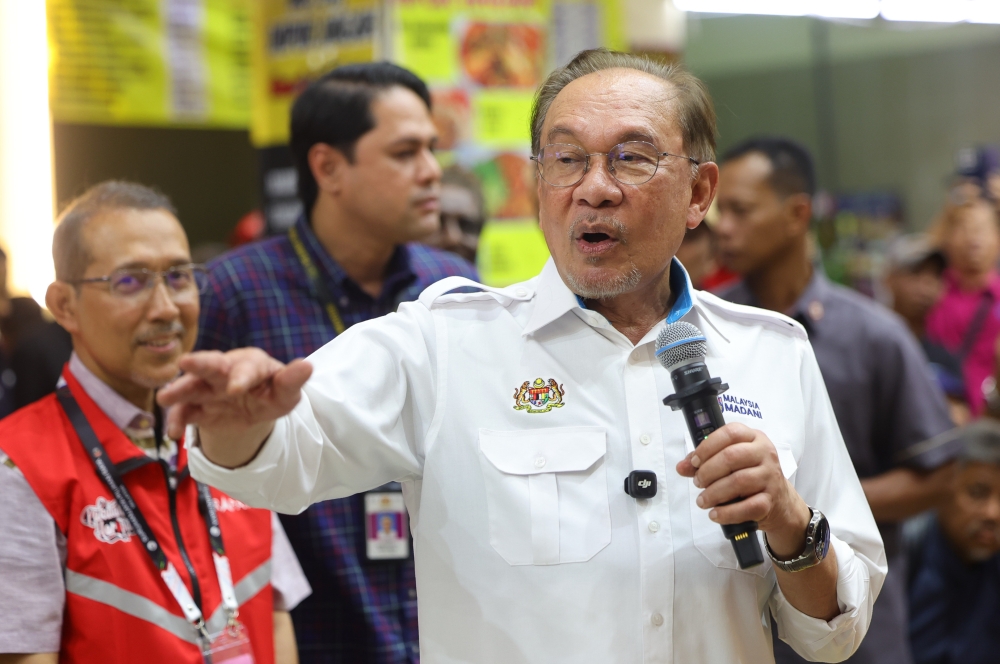
Prime Minister Datuk Seri Anwar Ibrahim is ramping up his presence across Negeri Sembilan with an intensive calendar of campaign activities, underscoring the heightened political stakes in the state as the election cycle reaches its climactic phase. The emphasis on personal engagement by the nation's top political leader reflects calculations within the Pakatan Harapan coalition about consolidating support in a state that has proven unpredictable in recent electoral cycles.
The decision to maintain a demanding schedule in Seremban and surrounding constituencies demonstrates the administration's determination to translate its federal platform into tangible electoral gains at the state level. This approach stands in contrast to traditional campaign practices where sitting prime ministers maintain more measured schedules, suggesting Anwar views the Negeri Sembilan contest as pivotal to maintaining political momentum heading into the second half of his term.
Negeri Sembilan occupies a strategically important position within Malaysia's political geography. The state has historically swung between different coalitions, and its electoral composition reflects broader patterns in voter behaviour across the nation. Control of the state assembly carries symbolic weight beyond its parliamentary representation, as victories or defeats in state elections function as barometers of public sentiment toward the federal government.
Anwar's personal campaign efforts carry distinct messaging value. When prime ministers actively campaign in specific states, they signal to voters that constituencies are receiving direct attention from the highest echelons of power. This practice can generate local enthusiasm and underscore promises of resources and development for communities, particularly in marginal seats where voter engagement remains undecided.
The timing of the intensified push reflects standard campaign mechanics where political parties concentrate resources and senior leadership visits in the final fortnight before polling. Research on electoral behaviour consistently demonstrates that late-stage campaign activities can shift voter sentiment among undecided voters, making this final stretch crucial for momentum-building and turnout maximisation across priority constituencies.
For Malaysian political observers, the intensity of Anwar's Negeri Sembilan engagement provides insights into where the coalition believes it faces competitive challenges and where it perceives opportunities for gains. Opposition parties will likely respond with counter-programming and their own senior leader appearances, potentially transforming the state into a focus of national political attention during this period.
The packed schedule also reflects logistical coordination between federal, state, and party-level campaign machinery. Organising simultaneous events across multiple constituencies requires coordination with local leaders, volunteer networks, and security personnel—a testament to the campaign infrastructure that major coalitions maintain during election season. Each event represents calculated outreach to specific voter demographics, whether through targeted policy announcements, community engagement activities, or rallies designed to energise party supporters.
Negeri Sembilan's economic profile and demographic composition mean that campaign messaging likely addresses themes resonating with its urban and semi-urban populations. Issues ranging from cost of living to economic opportunities, educational facilities to healthcare provision, feature prominently in state-level campaigns across Malaysia, and Anwar's multiple stop strategy allows for granular engagement with diverse community concerns rather than generic national messaging.
The opposition will scrutinise whether intensive prime ministerial presence translates into electoral advantage or whether it generates counter-mobilisation among voters skeptical of national government performance. Historical precedent shows mixed results for such strategies—personal leadership visibility can energise supporters but may also activate opposition voters motivated to voice discontent with federal policies.
For Southeast Asia's broader perspective, Malaysia's state elections matter because they occur within the region's largest democracy by population. Electoral outcomes influence not only domestic policy trajectories but also affect Malaysia's regional diplomatic positioning and economic policymaking. A strong showing for Anwar's coalition would strengthen his hand in advancing policy initiatives at both national and regional levels, while setbacks could complicate legislative management.
The campaign intensity also reflects deeper calculations about coalition stability. In Malaysian politics, state-level performance directly influences the balance of power within multi-party coalitions. Strong electoral showing preserves party autonomy and leverage in coalition negotiations, while disappointing results can embolden rival coalition members or create internal pressures for leadership changes.
Citizens in Negeri Sembilan can expect heightened political engagement and activity throughout the final campaign period. The state's voting patterns have demonstrated responsiveness to both national trends and local considerations, making it neither a guaranteed victory nor an assured loss for the incumbent coalition. Anwar's determination to maintain a prominent presence suggests his coalition views the outcome as genuinely competitive rather than determined in advance.

