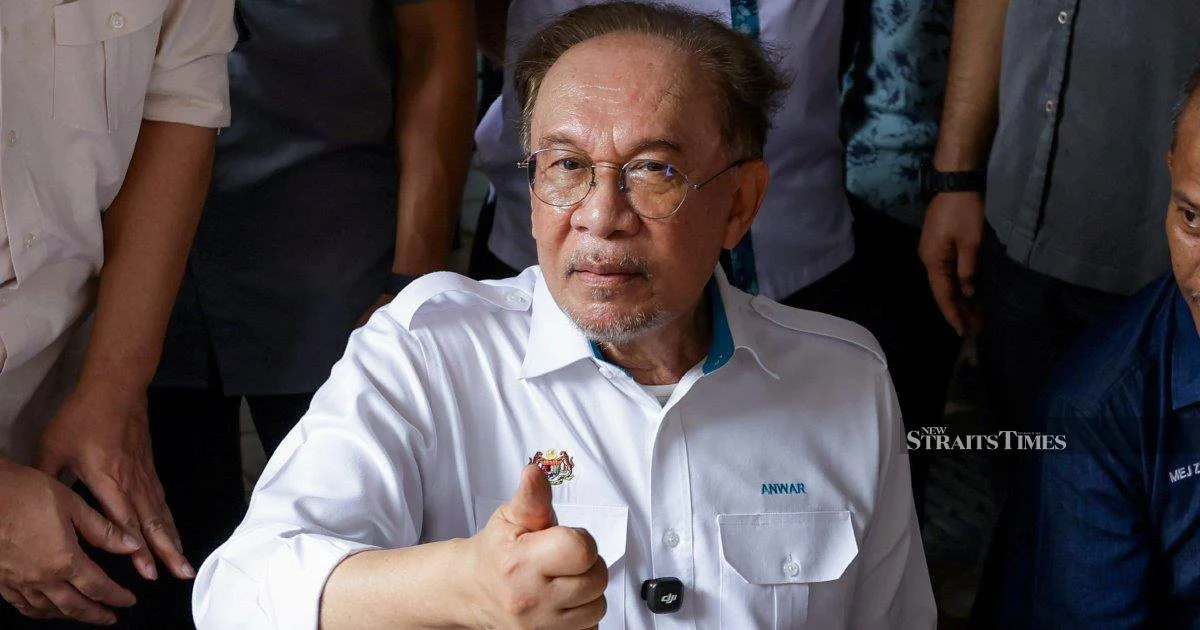
Prime Minister Datuk Seri Anwar Ibrahim has consolidated his standing as Malaysia's most favoured political leader, according to fresh polling data released by the Merdeka Centre. The latest public opinion survey positions the prime minister ahead of his peers in the political hierarchy, reflecting sustained confidence in his leadership among the electorate.
The Merdeka Centre, an established independent research institution specialising in social and political polling, conducted the survey to gauge public sentiment towards key figures in Malaysian politics. The results provide insight into how voters perceive their leaders' performance and direction, metrics that typically shift with policy outcomes, economic conditions, and domestic events. Anwar Ibrahim's commanding lead suggests that his messaging and policy initiatives have resonated more effectively with the broader Malaysian public than those of other senior politicians.
In contrast to Anwar Ibrahim's strong showing, Deputy Prime Minister Datuk Seri Zahid Hamidi recorded the lowest approval rating among the political leaders measured in the survey. This positioning represents a significant gap between the two figures, underscoring distinct public perceptions of their respective political contributions and leadership credentials. The spread between highest and lowest reflects broader patterns in how Malaysians evaluate their political establishment.
Popularity ratings among political leaders fluctuate based on numerous interconnected factors. Economic performance, unemployment trends, and the effectiveness of government programmes directly influence how voters assess their leaders' competence. Additionally, media coverage, political controversies, and legislative accomplishments shape public opinion over time. Anwar Ibrahim's current advantage may partly derive from the honeymoon period that frequently accompanies relatively recent leadership transitions, though sustained polling performance suggests deeper approval beyond initial novelty.
For regional observers, Malaysia's political climate matters considerably given the nation's economic importance within Southeast Asia and its influence on regional stability. Leadership approval ratings often correlate with policy consistency, investor confidence, and the capacity to implement reform agendas. Anwar Ibrahim's high standing potentially facilitates legislative action on his administration's economic restructuring plans and may strengthen Malaysia's diplomatic positioning in regional forums.
Zahid Hamidi's lower rating raises questions about his political trajectory within the current government structure. As Deputy Prime Minister, his portfolio responsibilities encompass significant administrative duties, yet public perception appears not to have translated into comparable approval levels. This disconnect may reflect voter dissatisfaction with specific policy areas under his purview, lingering concerns from earlier phases of his political career, or simply the historical pattern whereby deputy leaders attract less public attention than sitting prime ministers.
The survey's findings carry implications for coalition dynamics within Malaysia's ruling government. The Pakatan Harapan alliance partners with other political blocs to maintain parliamentary majority, and approval ratings among top figures influence internal negotiations, policy priorities, and resource allocation. Leaders with stronger public backing typically secure greater influence over government direction and cabinet composition, potentially affecting which initiatives gain priority in the legislative agenda.
Malaysian voters' nuanced views of their political leaders, as captured by this survey, suggest that public opinion continues to evolve beyond traditional party loyalties. Younger voters and urban constituencies increasingly base electoral decisions on performance metrics and policy outcomes rather than long-established factional alignments. This shift has repositioned approval ratings as consequential indicators of electoral vulnerability and political sustainability.
The variation in approval ratings across Malaysia's leadership also reflects regional disparities in political sentiment. Peninsular Malaysia, Sabah, and Sarawak often display distinct preferences shaped by local economic conditions, historical grievances, and demographic compositions. A national survey aggregates these diverse perspectives, potentially masking significant regional variation that could influence future electoral outcomes in state and federal contests.
Looking forward, these polling numbers establish baseline measurements against which future shifts in public opinion will be assessed. Political calendars in Malaysia feature regular state elections and eventually a general election that must occur by mid-2028, timeline within which leadership approval trajectories could undergo substantial realignment. Economic performance, successful policy implementation, and management of emerging political challenges will determine whether Anwar Ibrahim maintains his current advantage or whether other leaders narrow the gap.
The Merdeka Centre survey contributes to Malaysia's increasingly sophisticated political discourse by quantifying public preferences that might otherwise remain anecdotal or speculative. As Malaysian politics continues developing along more institutionalised and transparent lines, such research provides valuable data for both policymakers seeking to understand voter expectations and international observers monitoring political developments in a consequential Southeast Asian democracy.

