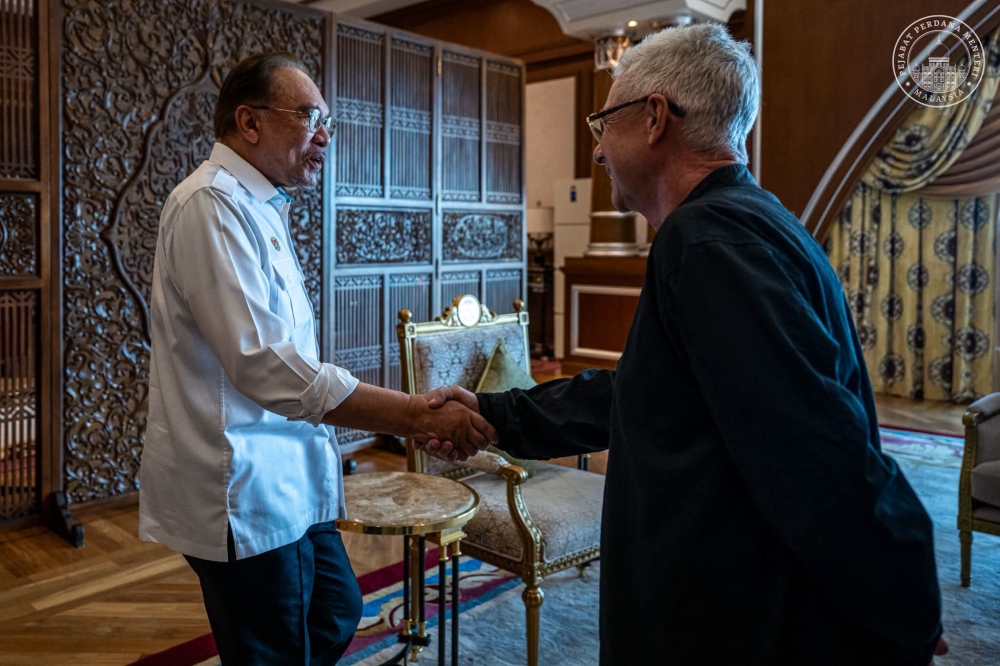
Prime Minister Datuk Seri Anwar Ibrahim has held talks with officials overseeing Singapore's Grand Prix, focusing on the prospects of bringing Formula 1 racing back to Malaysia's Sepang International Circuit. The meeting underscores the government's renewed commitment to restoring the country's presence on motorsport's highest stage, a position Malaysia held for nearly two decades before stepping away.
The consultation with Singapore's Grand Prix leadership carries significant strategic importance for both neighbouring economies. While Singapore has maintained its premium position on the F1 calendar with the prestigious night race held annually at Marina Bay, Malaysia previously hosted the Malaysian Grand Prix at Sepang from 1999 to 2017. The circuit's removal from the schedule represented a notable gap in Southeast Asia's motorsport profile and signalled a shift in the region's economic priorities during that period.
Sepang International Circuit remains one of Asia's most technically sophisticated racing venues, featuring a 5.543-kilometre layout that has challenged the world's elite drivers for decades. The facility underwent significant modernization in recent years, including improved pit infrastructure and enhanced spectator amenities. Infrastructure improvements at the circuit demonstrate Malaysia's ongoing investment in maintaining world-class standards necessary for F1 operations, even during the years when the country was absent from the calendar.
The return of Formula 1 to Malaysia would carry substantial economic implications for the nation. The grand prix generates hundreds of millions of ringgit in direct and indirect revenue, encompassing hospitality, accommodation, transport, and ancillary services. Beyond immediate financial returns, hosting a marquee sporting event enhances Malaysia's global profile, positioning the country as a serious player in premium international commerce and leisure tourism. Singapore's continued success with the Marina Bay Grand Prix demonstrates the enduring commercial viability of F1 events in Southeast Asia.
From a political standpoint, the Anwar Ibrahim administration's engagement with Singapore officials reflects pragmatic diplomacy regarding major sporting ventures. The Malaysian government's willingness to coordinate with neighbouring jurisdictions suggests recognition that F1 scheduling decisions involve complex negotiations across the Asia-Pacific region. Singapore's established relationships with Formula 1's governing bodies and commercial operators provide valuable insights into the contemporary requirements and expectations of the sport's organizers.
Malaysia's absence from the F1 calendar coincided with broader economic constraints and shifting government investment priorities following the 2008 global financial crisis. Various factors contributed to the decision to discontinue hosting the race, including escalating hosting fees, competition from emerging markets, and budgetary pressures on government spending. However, Malaysia's economy has stabilized considerably in recent years, and renewed interest in major sporting events reflects improved fiscal conditions and a strategic pivot towards positioning the country as a regional hub for premium experiences and events.
The motorsport industry remains integral to Malaysia's manufacturing and technology sectors. Companies such as Petronas and other domestic enterprises have leveraged F1 involvement for brand enhancement and technological advancement. The return of Formula 1 would provide opportunities for Malaysian corporations to demonstrate capabilities on a global stage whilst attracting international attention to the country's engineering and automotive capabilities. This dimension extends beyond entertainment into genuine economic and industrial strategy.
Sepang's location within Malaysia's automotive and industrial corridor near Kuala Lumpur offers logistical advantages for organizing a major event. The circuit's proximity to the capital, combined with existing transportation infrastructure and hospitality facilities, positions it competitively against other potential Asian venues seeking F1 status. These practical considerations weigh heavily in F1's evaluation of candidate circuits, as organizers prioritize venues offering operational efficiency alongside economic sustainability.
The timing of Anwar Ibrahim's engagement with Singapore Grand Prix authorities suggests accelerating momentum towards concrete negotiations with Formula 1's governing body, the Fédération Internationale de l'Automobile. Rather than approaching the prospect theoretically, direct consultation with existing Asian operators indicates Malaysia is moving towards substantive discussions about rejoining the calendar. Such preparation work typically precedes formal approaches to international sporting bodies.
Regional competition for premium sporting events has intensified significantly across Southeast Asia. Beyond Formula 1, multiple nations pursue investment in motorsport and other major competitions as instruments of economic development and soft power. Malaysia's repositioning itself to compete actively in this environment, particularly given the country's historical expertise in hosting international racing events and its strong automotive sector heritage.
The return of Formula 1 to Sepang would reshape Southeast Asia's motorsport landscape considerably. Currently, the region relies heavily on Singapore's Marina Bay race to maintain prominence within global F1 consciousness. Adding Malaysia to the rotation would create a more robust regional presence, potentially supporting expanded media coverage, increased tourist interest, and greater commercial engagement from international sponsors and broadcasters based in Asia.
Looking forward, the success of these preliminary discussions hinges on Malaysia's ability to demonstrate financial commitment and operational readiness. Formula 1 operates within highly competitive global markets where circuit operators must provide substantial financial guarantees alongside premium facilities and professional organization. Anwar Ibrahim's direct involvement signals that the Malaysian government takes these requirements seriously and intends to allocate necessary resources to securing the sport's return.

