%22%2F%3E%3C%2Fpattern%3E%3C%2Fdefs%3E%3Crect%20width%3D%22100%25%22%20height%3D%22100%25%22%20fill%3D%22url(%23ph46lybg)%22%2F%3E%3Crect%20width%3D%22100%25%22%20height%3D%22100%25%22%20fill%3D%22url(%23ph46lybp)%22%2F%3E%3Ctext%20x%3D%2250%25%22%20y%3D%2250%25%22%20text-anchor%3D%22middle%22%20dominant-baseline%3D%22central%22%20fill%3D%22rgba(255%2C255%2C255%2C0.95)%22%20font-family%3D%22Georgia%2C%20'Times%20New%20Roman'%2C%20serif%22%20font-weight%3D%22700%22%20font-size%3D%22272%22%20letter-spacing%3D%22-0.02em%22%3EAnwar%3C%2Ftext%3E%3C%2Fsvg%3E)
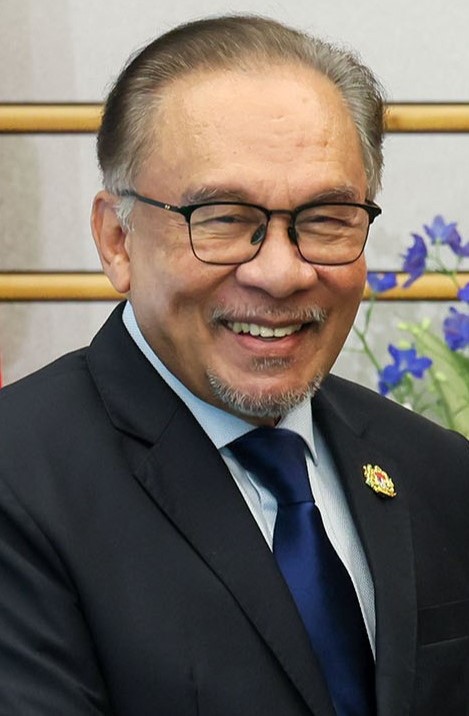
Prime Minister Datuk Seri Anwar Ibrahim welcomed Bangladesh Prime Minister Tarique Rahman with ceremonial fanfare at Seri Perdana Complex in Putrajaya on Saturday, hosting a state luncheon that underscored the deepening diplomatic ties between the two nations. The occasion marked a significant moment in regional diplomacy, with both leaders arriving together and being greeted by students from five schools across Selangor and the Federal Territories, who chanted welcomes to the visiting delegation. A traditional dance performance from Istana Budaya added cultural flourish to the reception, signalling Malaysia's commitment to honouring the visit.
The luncheon menu reflected the gastronomic heritage of both countries, with Malaysian durian — famously dubbed the king of fruits — and jackfruit specially imported from Bangladesh served as dessert. This culinary choice symbolised the bilateral exchange and mutual appreciation between the nations, transforming the formal state function into an occasion that celebrated shared regional identity and cultural exchange. The gathering drew Malaysia's senior ministerial leadership, including Foreign Minister Datuk Seri Mohamad Hasan, Home Affairs Minister Datuk Seri Saifuddin Nasution Ismail, and Investment, Trade and Industry Minister Datuk Seri Johari Abdul Ghani, alongside their spouses, underscoring the importance accorded to the visit.
Rahman's visit represents his first official bilateral mission abroad since assuming office in February 2026, a strategic choice that places Malaysia at the centre of Bangladesh's early diplomatic engagements. The decision to visit Malaysia rather than traditional partners such as India or China carries significance for regional dynamics, reflecting the importance Dhaka attaches to ties with Southeast Asia and specifically with the Malaysian government. Prior to the luncheon, Rahman participated in formal bilateral talks with Anwar at the Perdana Putra Complex, where both leaders discussed matters of mutual concern and outlined areas for deeper cooperation.
According to statements from Wisma Putra, Malaysia's foreign ministry, the visit is intended to reinforce the already-close bilateral relationship between the two nations and expand collaborative frameworks across sectors of mutual benefit. This framing suggests that discussions likely extended beyond ceremonial courtesy to substantive engagement on trade, security, and regional stability issues. The timing of Rahman's tenure — barely four months into his premiership — suggests that establishing a strong relationship with Malaysia's leadership forms part of his administration's broader strategic positioning in the region.
The economic dimensions of the Malaysia-Bangladesh relationship reveal why the visit carries practical weight beyond diplomacy. In 2025, bilateral trade reached RM12.18 billion, equivalent to US$2.84 billion, placing Bangladesh among Malaysia's significant trading partners despite its smaller global profile. Malaysia's exports to Bangladesh totalled RM10.08 billion, with petroleum products dominating the outflow, reflecting Bangladesh's energy needs as its economy has expanded in recent years. This export orientation makes Malaysia a crucial supplier of energy resources to Bangladesh, a factor that undoubtedly featured in bilateral discussions.
Conversely, Malaysia imports RM2.10 billion worth of goods from Bangladesh annually, comprising primarily textiles, apparel, and footwear — sectors where Bangladesh has built formidable competitive advantages through its large labour force and established manufacturing infrastructure. The trade relationship demonstrates complementarity; Malaysia supplies raw materials and energy while Bangladesh provides finished consumer goods, creating mutually beneficial commerce flows. For Malaysian importers and retailers, Bangladesh remains a crucial sourcing destination, particularly for the garment and footwear sectors that have seen substantial investment and development in South Asian factories.
Within the broader South Asian context, Bangladesh ranks as Malaysia's second-largest trading partner, export destination, and import source, trailing only India. This positioning reflects both countries' commitment to deepening engagement and suggests that future cooperation could expand beyond current levels. The RM12.18 billion in annual trade, while substantial, may underrepresent the potential for bilateral commerce, particularly as Bangladesh's manufacturing sector continues expanding and Malaysia's energy sector seeks new markets for its output.
Globally, Bangladesh ranks as Malaysia's 28th largest trading partner, indicating room for growth as both nations identify new sectors for collaboration. Unlike engagement with major economies, the Malaysia-Bangladesh relationship has historically remained somewhat understated in Malaysian public discourse, despite its economic importance. The high-level attention accorded to Rahman's visit signals a deliberate effort by both administrations to elevate the relationship's profile and demonstrate commitment to partnership expansion.
The visit also carries implications for Malaysia's broader Southeast Asian and South Asian diplomatic strategy. By hosting Rahman during his first bilateral venture, Malaysia positions itself as a trusted partner for Bangladesh's incoming administration — a position that could yield dividends in subsequent negotiations on regional issues, from maritime security to economic cooperation frameworks. For Bangladesh, formalising early ties with Malaysia helps diversify its diplomatic portfolio and reduces dependence on traditional great powers for regional engagement.
Looking forward, the luncheon and bilateral talks are likely to spawn working groups and ministerial exchanges that translate diplomatic goodwill into concrete cooperation mechanisms. Areas potentially under discussion may include joint infrastructure projects, enhanced investment flows, capacity-building programmes, and collaborative initiatives addressing regional challenges such as maritime safety and climate adaptation. Both nations face common threats from rising sea levels and changing weather patterns — issues where technical cooperation and shared research could yield mutual benefits.
For Malaysian businesses, Rahman's visit opens potential windows for expanding operations in Bangladesh's rapidly developing economy, particularly in sectors like energy, infrastructure development, and professional services. Conversely, Bangladeshi enterprises may perceive greater opportunity to deepen their presence in Malaysia's market, whether through increased exports or direct investment in processing and distribution facilities. The state luncheon, while ceremonial in nature, serves as a platform that legitimises and facilitates these commercial interactions by confirming high-level governmental support for bilateral economic deepening.
The visit also reflects Malaysia's commitment to maintaining robust ties across South Asia, a region of growing geopolitical importance where Indian hegemony cannot be presumed. By engaging seriously with Bangladesh's leadership, Malaysia demonstrates that it views the region as a complex multipolar space where diverse partnerships yield strategic benefits. This approach aligns with Malaysia's broader foreign policy orientation toward maintaining equidistant relationships with major powers while developing substantive connections with regional neighbours and partners.