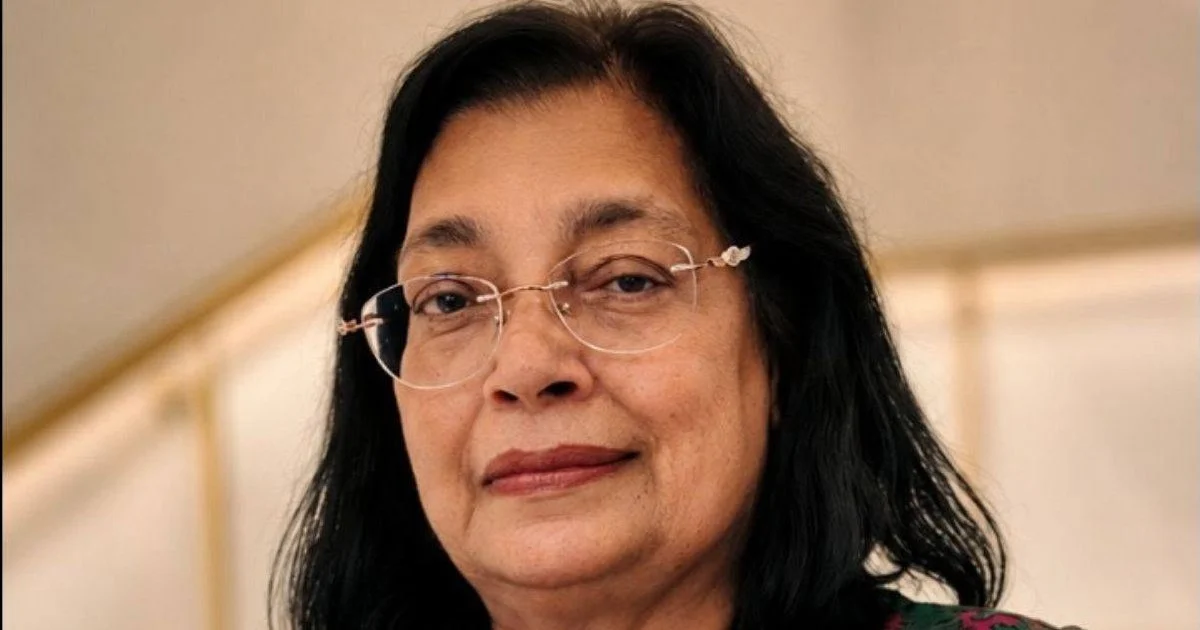
Malaysia has secured another seat at a prominent United Nations body with the election of Datuk Yasmeen Muhamad Shariff to the Committee on the Rights of the Child, drawing warm commendation from Prime Minister Datuk Seri Anwar Ibrahim. The appointment represents a significant recognition of Malaysian expertise in child welfare and protection, an area where the country has sought to strengthen its international standing through various policy initiatives and legal frameworks over recent years.
Datuk Yasmeen's selection to the UN body for a four-year term beginning in 2027 signals growing confidence in Malaysia's approach to safeguarding children's welfare. The Committee on the Rights of the Child operates as one of the United Nations' key monitoring mechanisms, tasked with assessing how member states comply with the Convention on the Rights of the Child and its optional protocols. As such, membership carries substantial responsibility and influence in shaping global discourse on child protection standards.
The Prime Minister's public acknowledgement of this achievement underscores the government's commitment to positioning Malaysia as a responsible regional player in human rights and social protection matters. Anwar has previously emphasised the importance of Malaysia's engagement with international bodies as part of the nation's broader development agenda. This election reflects the outcome of Malaysia's candidacy campaign, during which the country made the case for greater representation in UN institutions that align with domestic priorities around family welfare and youth development.
Child rights remain an evolving policy concern across Southeast Asia, where nations grapple with issues ranging from education access to protection from exploitation. Malaysia's participation in the CRC committee enables the country to contribute directly to the formulation of guidance for other nations whilst also subjecting its own practices to scrutiny. This dual dimension—both as implementer and as international standard-setter—places Malaysian representatives in a position where they must balance domestic sensitivities with global best practices.
Datuk Yasmeen's background and professional credentials made her a viable candidate for this international role. Committee membership typically draws individuals with demonstrated expertise in child welfare, legal affairs, psychology, or related disciplines. Her selection suggests that Malaysia's diplomatic machinery successfully presented her profile to voting UN member states as capable of contributing meaningfully to the committee's work.
The Committee on the Rights of the Child operates through multiple functions, including examining periodic reports submitted by signatory nations, issuing recommendations, and developing general comments that interpret and clarify obligations under the convention. Members serve in their individual capacity rather than representing their home governments, though their selection inevitably carries national prestige. This distinction is important for understanding how Malaysian interests and values may be advanced indirectly through committee deliberations on global child protection standards.
Malaysia's commitment to the UN Convention on the Rights of the Child has evolved over decades, with the country acceding to the main convention in 1995 and subsequently adopting its optional protocols. Domestically, the Child Act 2001 and related legislation attempt to codify protections aligned with international standards, though implementation and enforcement remain areas where activism groups continue to advocate for stronger measures. Yasmeen's appointment provides an opportunity for Malaysia to benchmark its practices against international examples and contribute to improved outcomes in various domains affecting children.
The appointment also reflects Malaysia's broader engagement strategy within multilateral forums, where the country seeks both visibility and influence. Southeast Asian nations compete for seats on UN bodies, viewing such positions as affirmations of their diplomatic relevance and development progress. For Malaysia, securing representation across multiple UN committees strengthens its voice in international decision-making and enhances its soft power profile within the region and globally.
Yasmeen's tenure will span a period when global attention to child welfare is intensifying, particularly around themes such as digital safety, mental health support, and protection from trafficking and abuse. The committee's work during 2027-2031 will likely incorporate emerging challenges that nations have not traditionally prioritised in child protection frameworks. Malaysia's participation in these discussions positions the country to learn from peer experiences and potentially advocate for approaches suited to its own context.
For Malaysian policymakers and advocates working on child welfare issues, Yasmeen's presence on the committee creates a potential channel for dialogue with international experts and an opportunity to showcase domestic innovations in child protection. The appointment also sends a signal to Malaysian civil society that government takes children's rights seriously enough to engage at the highest international levels. This symbolic dimension matters for building domestic consensus around child welfare priorities and securing political will for necessary reforms.
The four-year term commencing in 2027 will require Datuk Yasmeen to dedicate significant time to committee functions, including participation in sessions held periodically in Geneva. This demands considerable professional commitment and reflects the level of responsibility Malaysia has assumed through her candidacy. Her work will contribute to the global architecture of child protection even as it enhances Malaysia's reputation as a nation invested in this crucial development issue.

