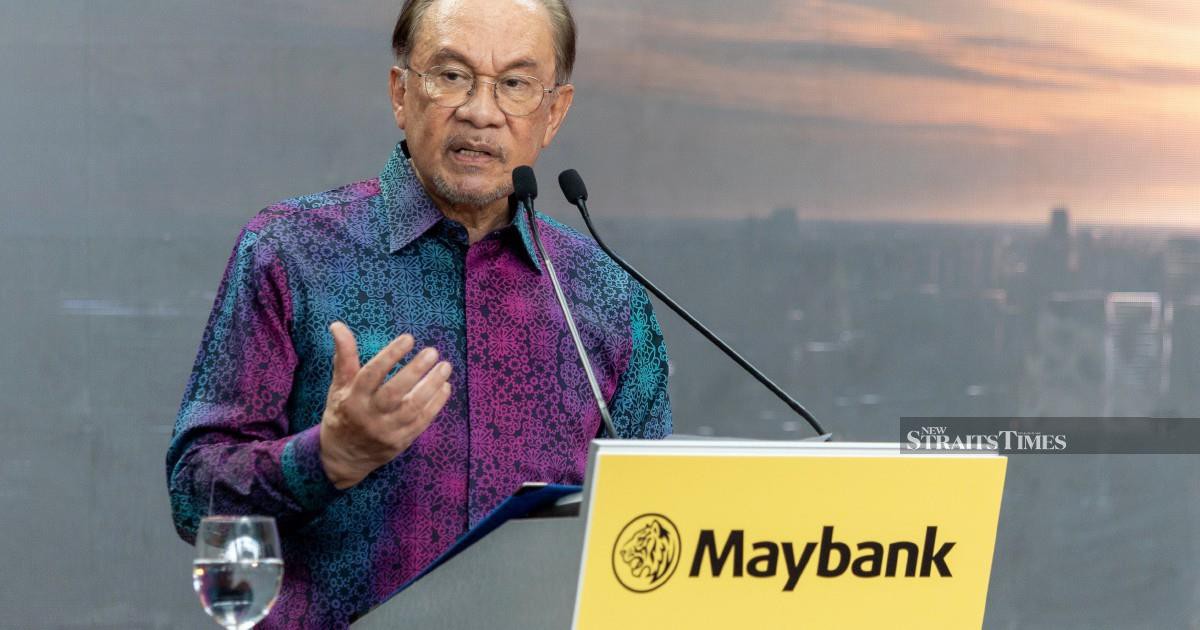
Malaysia's Prime Minister Datuk Seri Anwar Ibrahim has publicly commended Maybank for evolving into one of Asia's most prominent financial institutions, underscoring the bank's strategic importance to the nation's economic ambitions and regional standing. The recognition reflects broader government efforts to position Malaysia's financial services sector as a key driver of growth in Southeast Asia's increasingly competitive banking landscape.
Maybank's ascent to prominence represents a remarkable journey for what originated as a local Malaysian institution. Over recent decades, the bank has expanded substantially beyond its domestic base, establishing itself across multiple Southeast Asian markets and developing capabilities that rival international competitors. This expansion strategy has enabled the institution to serve diverse customer bases while maintaining deep local expertise in key markets where it operates.
The prime minister's endorsement carries particular weight given the government's focus on strengthening Malaysia's financial infrastructure and competitiveness. Maybank's regional presence strengthens Malaysia's position as a financial hub, generating significant employment, tax revenue, and remittances that contribute meaningfully to the broader economy. The bank's success also demonstrates that Malaysian enterprises can compete effectively on a continental scale, an important message as the nation seeks to attract investment and talent.
Maybank's operational footprint extends across numerous countries in Southeast Asia and beyond, serving millions of customers through traditional banking channels and digital platforms. The bank has invested substantially in technology infrastructure, recognising that modern banking increasingly depends on seamless digital experiences and robust cybersecurity frameworks. This technological emphasis allows Maybank to serve customers efficiently while managing the complex regulatory requirements across its diverse operating jurisdictions.
The institution's regional leadership position carries implications for Malaysia's broader financial competitiveness. A strong, well-capitalized domestic banking system attracts international investors, facilitates cross-border transactions, and provides the financial infrastructure necessary for Malaysian businesses to expand regionally. Maybank's capabilities in areas like trade financing, wealth management, and corporate banking enable Malaysian companies to pursue ambitious growth strategies.
The transformation has not occurred in isolation from Malaysia's policy environment. The government's commitment to financial stability, regulatory clarity, and digital innovation has provided the framework enabling Maybank to invest confidently in expansion and modernization. Banking regulators have worked to balance prudential safeguards with competitive flexibility, allowing institutions like Maybank to pursue growth while maintaining systemic stability.
Maybank's regional success also reflects broader demographic and economic trends reshaping Southeast Asia. Rising middle-class populations, increasing consumer credit demand, and expanding business opportunities across the region have created substantial growth opportunities for well-positioned financial institutions. Maybank's deep understanding of regional markets, cultural contexts, and customer preferences has enabled it to capture significant portions of this expanding demand.
The bank's transformation carries particular relevance for Malaysian professionals and job-seekers. Maybank's expansion has generated thousands of employment opportunities across the region, from entry-level positions through senior management roles. The bank's commitment to developing talent and offering competitive compensation has established it as an employer of choice within Southeast Asia's financial services sector, contributing to the retention of Malaysian expertise.
Looking forward, Maybank's position as a regional leader positions it well to navigate emerging challenges and opportunities in Southeast Asian banking. The sector faces pressures from fintech companies, evolving regulatory requirements, and shifting customer expectations around digital banking. Maybank's scale, capital resources, and technological investments provide advantages in adapting to these transitions, though competition will undoubtedly intensify.
The prime minister's recognition also signals government appreciation for Maybank's contribution to Malaysia's financial sector reputation. International investors and business partners often evaluate a nation's financial system strength through the performance of its largest institutions. Maybank's standing as a regional leader therefore reflects positively on Malaysia's broader economic credibility and attractiveness as an investment destination.
Maybank's evolution also exemplifies how Malaysian enterprises can build global competitive advantages through patient capital investment, strategic acquisitions, and consistent operational execution. The bank's trajectory offers lessons for other Malaysian companies aspiring to regional prominence, demonstrating that sustainable competitive advantage emerges through deep market knowledge combined with modern capabilities and disciplined management.
The bank's regional presence extends Malaysia's soft power and economic influence across Southeast Asia, complementing diplomatic and trade relationships. Financial institutions serve as bridges connecting economies, facilitating investment flows, and supporting the interconnection of business networks. Maybank's regional reach therefore contributes to Malaysia's broader strategic positioning within Southeast Asia's increasingly integrated economic ecosystem.

