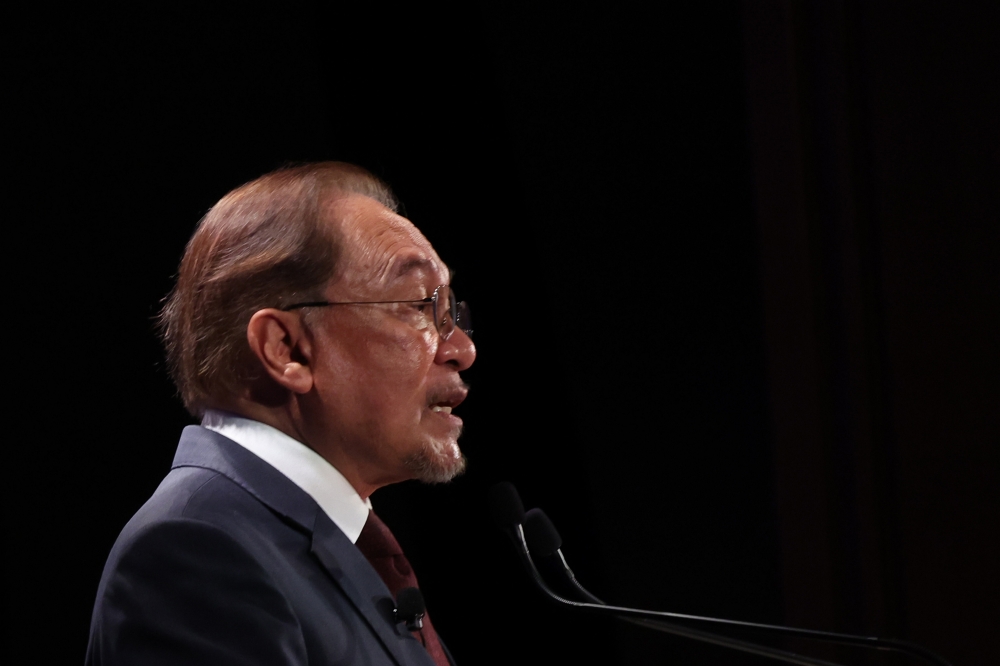
Prime Minister Datuk Seri Anwar Ibrahim has commenced legal proceedings against Parti Islam Se-Malaysia (PAS) deputy president Tuan Ibrahim Tuan Man over allegations of defamatory remarks. The lawsuit marks an escalation in the increasingly fractious relationship between the federal government and the opposition Islamic party, reflecting deeper divisions within Malaysia's polarised political landscape.
The defamation suit, filed through Anwar's legal representatives, centres on statements purportedly made by Tuan Ibrahim that the Prime Minister's office contends were false and damaging to Anwar's reputation and standing. Such legal action, while not unprecedented in Malaysian politics, signals growing intolerance for provocative rhetoric between competing political factions and raises questions about the boundaries of parliamentary criticism and freedom of speech in the country's vibrant but contentious political sphere.
PAS, as a major component of the opposition bloc, has frequently been at odds with Anwar's government over policy matters and governance approaches. The party, which draws considerable support from religiously-oriented constituencies, has positioned itself as a vocal critic of the administration's direction on various fronts. The decision to pursue litigation rather than rely solely on political counter-argument suggests the Prime Minister's office believes the remarks in question crossed a threshold that justifies judicial intervention.
The timing and nature of this legal challenge reflect broader tensions within Malaysia's coalition politics. Since the 2022 general election results fractured the previous power-sharing arrangements, the political landscape has become increasingly fragmented, with parties jockeying for position and leverage. PAS emerged as a formidable opposition force, while Anwar consolidated his position as head of a relatively broad but often unstable governing coalition. This lawsuit enters that volatile dynamic.
Defamation suits involving political figures often become flashpoints in Malaysian public discourse, as they raise complex questions about distinguishing legitimate criticism from actionable falsehoods. The judiciary's handling of such matters carries significant implications for political culture and the extent to which public figures can be held legally accountable for statements made in political contexts. Previous cases have generated considerable debate among legal experts, civil society organisations, and observers of Malaysian democracy.
Tuan Ibrahim's position as PAS deputy president gives particular weight to his pronouncements within party circles and among the broader opposition movement. Any statements he makes carry organisational significance and reach across party networks and supportive constituencies. This status may have influenced the decision to take formal legal action, signalling to opposition leaders that they cannot with impunity make claims that the government deems false and defamatory without facing consequences.
For the broader Southeast Asian region, where Malaysia is a significant democratic player, this development underscores ongoing challenges that regional democracies face in balancing political freedom with legal protections for individual reputation. The case will likely attract attention from observers of Malaysian politics and regional democratic governance, particularly regarding how courts navigate disputes between powerful political actors.
The lawsuit also comes amid existing tensions between the government and PAS over religious and governance matters. The Islamist party has criticised several government policies and decisions, while the administration has countered that such criticisms misrepresent its actual positions and intentions. This legal action represents a shift from purely political responses to seeking judicial remedies, potentially establishing new precedents for how political disagreements are resolved.
Observers note that defamation litigation can be a double-edged sword for political actors. While it offers legal recourse against damaging statements, it also keeps controversial matters in public focus and can amplify the very remarks being challenged through media coverage and public discourse. The decision to pursue this path suggests Anwar's legal team believes the reputational damage warranted formal legal action despite such potential complications.
The case is expected to unfold within Malaysia's civil court system, where standards of proof and evidence regarding defamation claims remain subject to well-established legal principles. Courts will need to assess whether Tuan Ibrahim's remarks constituted factual claims that were both false and damaging, rather than expressions of opinion or legitimate political critique. The distinction carries crucial implications for the boundaries of protected political speech.
As the legal proceedings advance, they will likely intensify scrutiny of statements by both government and opposition figures, potentially creating a chilling effect on robust political discourse. Malaysian civil society organisations and press freedom advocates have historically expressed concern about defamation law's potential to restrict legitimate political expression, though others argue that holding politicians accountable for false statements serves an important public interest function.
The broader political implications remain uncertain. If the government prevails, it may encourage future legal action against opposition figures making similar allegations. Conversely, should the courts find in favour of the defendant, it would reinforce the scope of protected political criticism. Either outcome will shape how Malaysian politicians navigate the intersection of political advocacy and legal risk in coming months and years, influencing the tenor and substance of national political debate.

