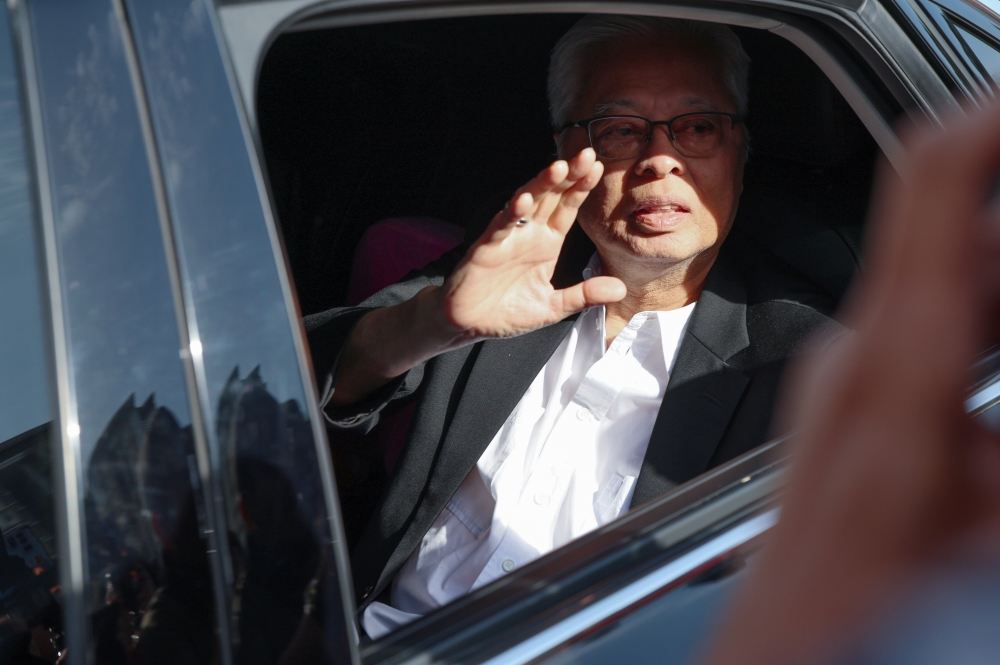
Prime Minister Datuk Seri Anwar Ibrahim paid visits to two senior political figures receiving care at the Institut Jantung Negara (IJN) in Kuala Lumpur on August 9, demonstrating the continued bonds within Malaysia's political establishment despite partisan divisions. The visits reflected the tradition of cross-party gestures during times of medical concern, underscoring how health matters frequently transcend the contentious nature of electoral politics.
Anwar called on Deputy Prime Minister Datuk Amar Fadillah Yusof first, followed by former Prime Minister Datuk Seri Ismail Sabri Yaakob. Both patients were being treated at the national cardiac centre, which specialises in heart-related conditions and has earned a reputation as a leading medical institution in Southeast Asia. The Prime Minister's personal presence at the hospital beds, rather than a mere public statement, signalled the seriousness with which he regarded the welfare of his two colleagues.
Through his visits, Anwar conveyed hopes that both men would experience swift recovery and early discharge from hospital care. Such gestures, though symbolic, carry weight in Malaysian political culture, where personal relationships and mutual respect often coexist alongside fierce policy disagreements. The Prime Minister's willingness to visit across party lines—particularly given that Ismail Sabri served as PM from 2021 to 2022 before Anwar took office—illustrated how national figures manage their public personas during health crises.
The visits arrive at a time when Malaysia's coalition government continues to navigate complex legislative dynamics and policy implementation. Deputy PM Fadillah, representing Sarawak and holding significant sway over East Malaysian bloc politics, maintains a crucial role in cabinet operations. His health status carries implications for the government's internal balance and decision-making structures, particularly regarding Sarawak-related matters and broader coalition stability.
Ismail Sabri's condition similarly warrants national attention, as former prime ministers retain considerable political influence and serve as elder statesmen to their respective parties and the broader national conversation. His tenure as the third Prime Minister under the Perikatan Nasional government represented a transitional period in contemporary Malaysian politics, navigating pandemic recovery, economic pressures, and shifting coalition alignments. Public awareness of his wellbeing reflects the continued relevance of his political standing.
The Institut Jantung Negara, established as a tertiary care facility and research institution, has become synonymous with treating Malaysia's highest-profile cardiac cases. Its presence in the Kuala Lumpur metropolitan area makes it the natural choice for treating senior government officials requiring specialist heart care. The facility's track record and resources ensure that patients receive cutting-edge treatment protocols recognised internationally.
Anwar's hospital visits carry subtle diplomatic messaging for domestic and regional audiences. They reinforce the narrative of a mature, unified political leadership class that places personal courtesy and national interest above partisan rancour. In a region where political transitions can occasionally turn contentious, Malaysia's demonstrated ability to maintain collegial relations across government changes provides a stabilising example.
The health status of senior political figures invariably sparks public speculation about succession planning, continuity of governance, and potential power vacuums. Regular updates and high-profile visits from government leaders serve to reassure both the domestic population and international observers that institutional stability remains intact. Anwar's actions thus functioned as an implicit confidence signal to Malaysian markets and international partners.
These hospital courtesies also reflect the reality that Malaysian political rivalries, while occasionally heated during campaigns and parliamentary sessions, rarely translate into personal animosity among senior figures who have spent decades in service together. Cross-visiting during health crises remains an accepted practice that demonstrates statesmanship and understanding of shared national purpose.
The visits underscore how Malaysia's political system, despite its competitive nature, maintains traditions of respect and decorum that bind leaders together in recognition of their common stewardship of the nation. Both Fadillah and Ismail Sabri have demonstrated resilience throughout their respective careers, navigating complex political terrain to achieve positions of considerable influence. The Prime Minister's personal expressions of hope for their recoveries acknowledged this shared history and the continued value both men bring to Malaysia's political discourse and governance structures.

