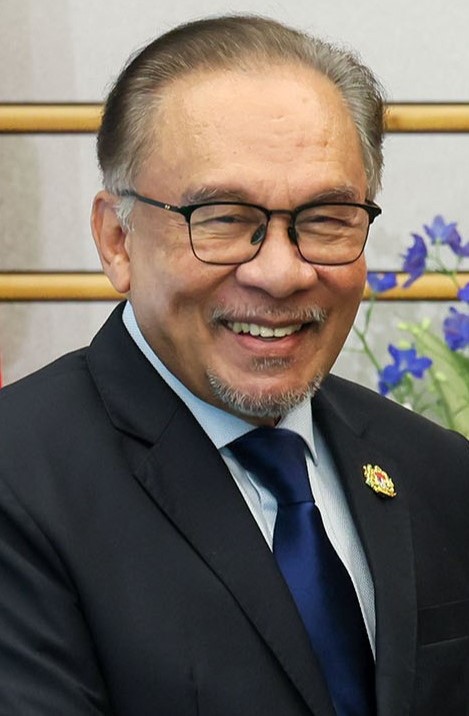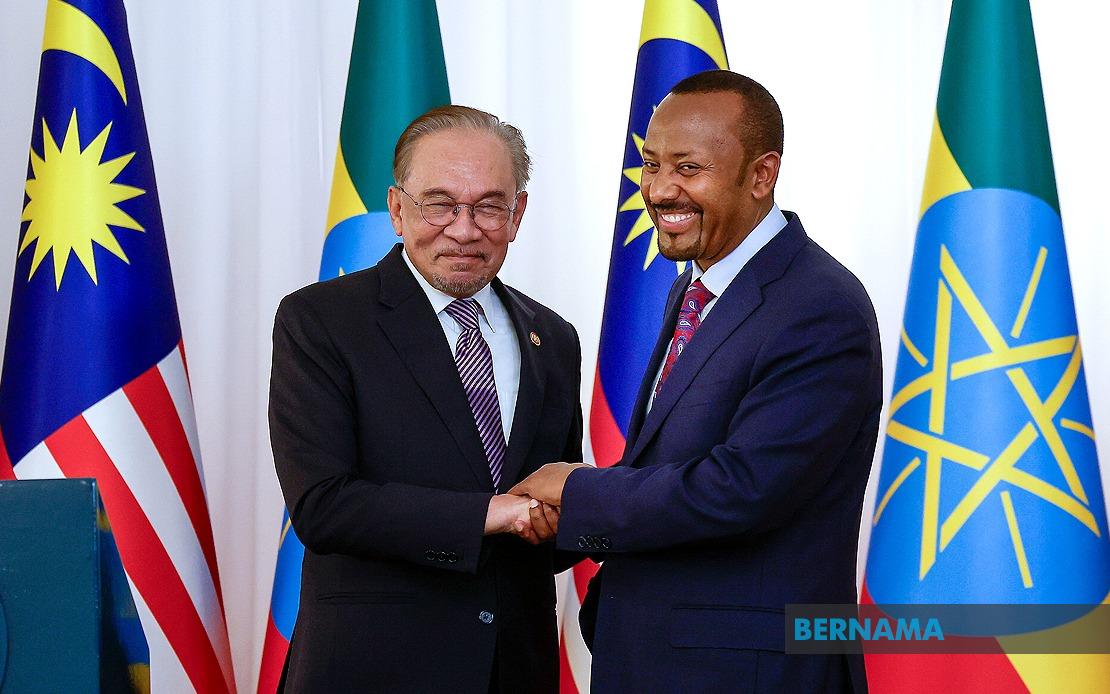
Prime Minister Datuk Seri Anwar Ibrahim has publicly congratulated Ethiopian Prime Minister Abiy Ahmed Ali and his Prosperity Party following their successful performance in Ethiopia's recent general election. The Malaysian leader took to social media to express his warm regards, underscoring the significance of Ethiopia's democratic process and the continuity it represents for bilateral engagement between Kuala Lumpur and Addis Ababa.
Anwar's congratulatory message carries particular weight given his landmark visit to Ethiopia last year, which marked a watershed moment in Malaysia-Africa relations. That journey to Addis Ababa represented the first occasion a Malaysian prime minister had travelled to Ethiopia in an official capacity, signalling Kuala Lumpur's renewed strategic focus on the continent and its key players. The visit itself was characterised by substantive discussions between the two leaders, moving beyond ceremonial protocols to address substantive matters of mutual concern.
In his Facebook post, Anwar reflected on the constructive nature of his interactions with Abiy, noting that the two leaders share a remarkably aligned perspective on global dynamics and regional challenges. This convergence of views extends beyond pleasantries, touching on how both nations understand the evolving international order and their respective roles within it. The Prime Minister's observation that both countries perceive the world through a similar lens suggests deeper ideological and strategic alignment than typical diplomatic courtesy would convey.
A central theme in Anwar's remarks centres on the potential for collaboration among Global South nations as equal partners rather than subordinate players in international affairs. This framing reflects Malaysia's broader diplomatic strategy of championing the interests of developing and middle-income countries in an increasingly multipolar world. By emphasising partnership among equals, Anwar positions Malaysia and Ethiopia as nations capable of shaping their own destinies while contributing meaningfully to regional and global stability.
The Malaysian Prime Minister's characterisation of Ethiopia as an important strategic partner underscores Kuala Lumpur's recognition of the East African nation's geopolitical significance. Beyond its role as home to the African Union headquarters, Ethiopia holds considerable weight in African politics, economics, and regional security matters. For Malaysia, cultivating strong ties with such influential African nations serves multiple objectives: expanding market access, diversifying diplomatic partnerships, and strengthening Malaysia's voice within international forums where African nations play increasingly prominent roles.
Anwar's reference to initiatives launched during his previous visit indicates that bilateral cooperation encompasses multiple domains rather than remaining confined to high-level diplomatic exchanges. These initiatives, which the Malaysian leader expressed commitment to advancing, likely encompass trade and investment cooperation, educational exchanges, cultural programmes, and possibly coordinated positions on international issues ranging from climate change to development financing. The forward-looking tone suggests that both governments view their relationship as dynamic and evolving rather than static.
The timing of Anwar's congratulatory message is significant, coming as it does in the context of broader Malaysian diplomatic outreach during his tenure as prime minister. Since assuming office, Anwar has systematically worked to elevate Malaysia's profile in global affairs, particularly in regions where previous administrations had not maintained consistent engagement. Africa has emerged as a priority focus area, with Ethiopia serving as an anchor point for deepening Malaysia's continental footprint.
For Malaysian observers and policymakers, Ethiopia's election results carry implications for Malaysia's broader Africa strategy. Abiy Ahmed's continued leadership suggests continuity in Addis Ababa's foreign policy orientation, which bodes well for the sustained implementation of bilateral agreements and joint initiatives. The stability of leadership in key African capitals matters significantly for Malaysian businesses seeking long-term investment security and for diplomatic missions pursuing multi-year cooperative projects.
The emphasis Anwar places on learning from and working with Ethiopia also reflects a broader Malaysian posture of seeking knowledge and experience from diverse global partners. Ethiopia's significant strides in development, technological adoption, and regional diplomacy over recent years offer valuable lessons for Malaysia's own governance and strategic planning. Similarly, Malaysia's experience in managing a diverse, multi-ethnic society and pursuing inclusive economic development holds relevance for Ethiopian policymakers.
Looking ahead, the convergence of interests that Anwar identified during his visit to Addis Ababa creates potential for expanded cooperation across multiple sectors. Regional challenges such as maritime security, terrorism prevention, and economic development present opportunities for practical collaboration. Additionally, both nations share concerns about ensuring that African voices receive adequate consideration in global forums addressing climate action, technology transfer, and fair international trade.
The congratulatory message also serves a domestic political purpose within Malaysia, demonstrating the government's active engagement in global affairs and its commitment to forging partnerships that serve national interests. For Malaysian citizens, such diplomatic outreach translates into expanded opportunities for overseas business, employment, and educational partnerships. The cultivation of strong relationships with influential African nations like Ethiopia opens pathways for Malaysian companies seeking to expand into the continent.
Moving forward, observers will watch how Anwar and Abiy translate their shared vision into concrete outcomes. The success of joint initiatives launched during last year's visit will largely determine whether the current diplomatic momentum can be sustained and deepened. Whether cooperation expands into new sectors beyond initial agreements will indicate whether bilateral ties are transitioning from symbolic to substantive partnership status.