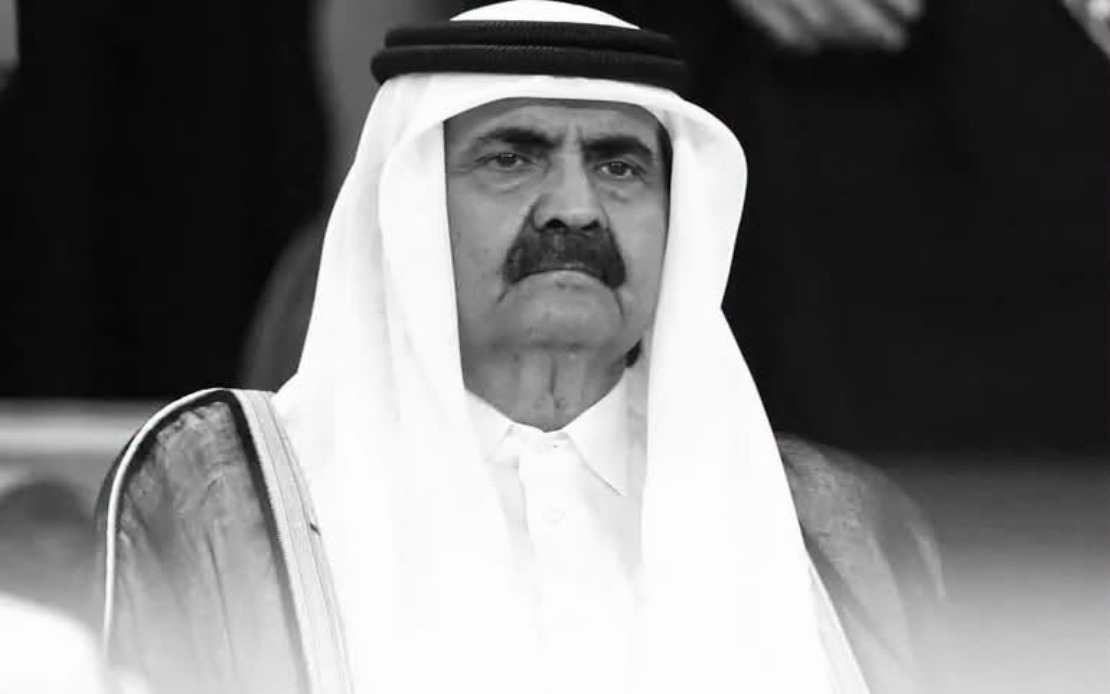
Prime Minister Datuk Seri Anwar Ibrahim has conveyed Malaysia's formal condolences to Qatar's current Amir Sheikh Tamim bin Hamad Al Thani, the broader royal family, and the Qatari people following the death of Sheikh Hamad bin Khalifa Al Thani. The Father Amir, as he is traditionally known, passed away on Sunday morning at the age of 74, according to an announcement from Qatar's Amiri Diwan.
In remarks shared through his official Facebook channel, Anwar acknowledged the profound loss while highlighting Sheikh Hamad's transformative impact on Qatar during his tenure. The former Amir's 18-year reign, which spanned from 1995 until his voluntary abdication in 2013, fundamentally reshaped the small Gulf state from a modest regional player into one of the world's most economically and diplomatically significant nations. This modernisation occurred across nearly two decades of intensive development, positioning Qatar to become a major player on the global stage.
Under Sheikh Hamad's stewardship, Qatar experienced extraordinary economic expansion that laid the foundation for its contemporary prosperity. The nation leveraged its vast natural gas reserves and petroleum wealth to diversify its economy, establish sovereign wealth funds of international prominence, and develop world-class infrastructure. These investments extended beyond commercial ventures to encompass cultural institutions, educational facilities, and sporting infrastructure that would eventually secure Qatar's hosting of the 2022 FIFA World Cup.
Anwar specifically commended what he characterised as Sheikh Hamad's rare display of political statesmanship when the former ruler chose to step down in 2013, voluntarily transferring power to his son. This decision was notably premature compared to regional precedent, as many Gulf leaders traditionally retain authority until advanced age. The transition represented a calculated move to ensure governmental continuity while allowing a younger generation to guide Qatar through rapidly changing geopolitical and economic circumstances. Such an action remains uncommon in absolute monarchies, where leaders typically maintain power until death or severe incapacity.
Beyond economic achievements, Sheikh Hamad elevated Qatar's diplomatic profile significantly. The nation emerged as an active and occasionally controversial mediator in regional conflicts, articulated through its state-sponsored broadcaster Al Jazeera and direct diplomatic engagement. Qatar's foreign policy under Sheikh Hamad frequently positioned it as an independent voice within the Arab world and the broader Muslim-majority region, willing to engage with diverse international partners regardless of geopolitical alignments.
Anwar's tribute acknowledged Sheikh Hamad's consistent alignment with Malaysia's strategic interests. The former Qatari ruler cultivated what the Prime Minister characterised as a steadfast friendship with Malaysia, reflecting the deep bilateral ties between the two nations. Beyond formal government relations, Sheikh Hamad earned widespread respect throughout the global Muslim community, serving as a symbol of modernisation and progressive governance within the Islamic world during a period when such leadership models remained comparatively rare.
The Malaysian leader concluded his condolence message with a religious invocation requesting divine blessings for the departed soul and compassion for the grieving royal household and broader Qatari population. The inclusion of the Islamic prayer phrase Al-Fatihah reflected Malaysia's predominantly Muslim identity and the shared Islamic values that have traditionally anchored the Malaysia-Qatar relationship. This gesture underscored both the diplomatic formality required in such circumstances and the genuine cultural connection between the two nations.
Sheikh Tamim, who assumed the Amir's position following his father's 2013 transition, now inherits the mantle of leadership at a moment when Qatar navigates complex regional dynamics following the 2022 World Cup and amid shifting Gulf geopolitics. The younger Amir must balance his father's legacy of visionary economic expansion with contemporary pressures including regional tensions, climate concerns, and evolving international relations. The peaceful transfer of power that Sheikh Hamad orchestrated a decade ago has generally been viewed as successful, providing Qatar with governmental stability during this critical period.
Malaysia's official response through Anwar represents the standard diplomatic practice when senior regional figures pass away, acknowledging Qatar's significance as both a strategic partner and fellow Muslim-majority nation. The two countries maintain extensive commercial relationships spanning energy, finance, and trade, while sharing common interests in regional stability and Islamic cooperation. Sheikh Hamad's death marks the closing of an important chapter in Gulf history, with implications that extend throughout the broader Middle Eastern region and its connections to Southeast Asian states like Malaysia.

