Prime Minister Datuk Seri Anwar Ibrahim has launched a sharp rebuke against the Opposition, contending that lawmakers are exploiting the deepening Tabung Haji scandal to serve narrow political interests rather than protecting the millions of ordinary Malaysians whose savings remain at risk. Speaking through a Facebook post on August 11, Anwar framed the dispute as a fundamental question of priorities: whether parliament should scrutinize institutional mismanagement or become a theatre for partisan theatre. The confrontation underscores growing tensions over how Malaysia's political class treats what many regard as a national betrayal affecting Malaysia's Muslim community at its most vulnerable.
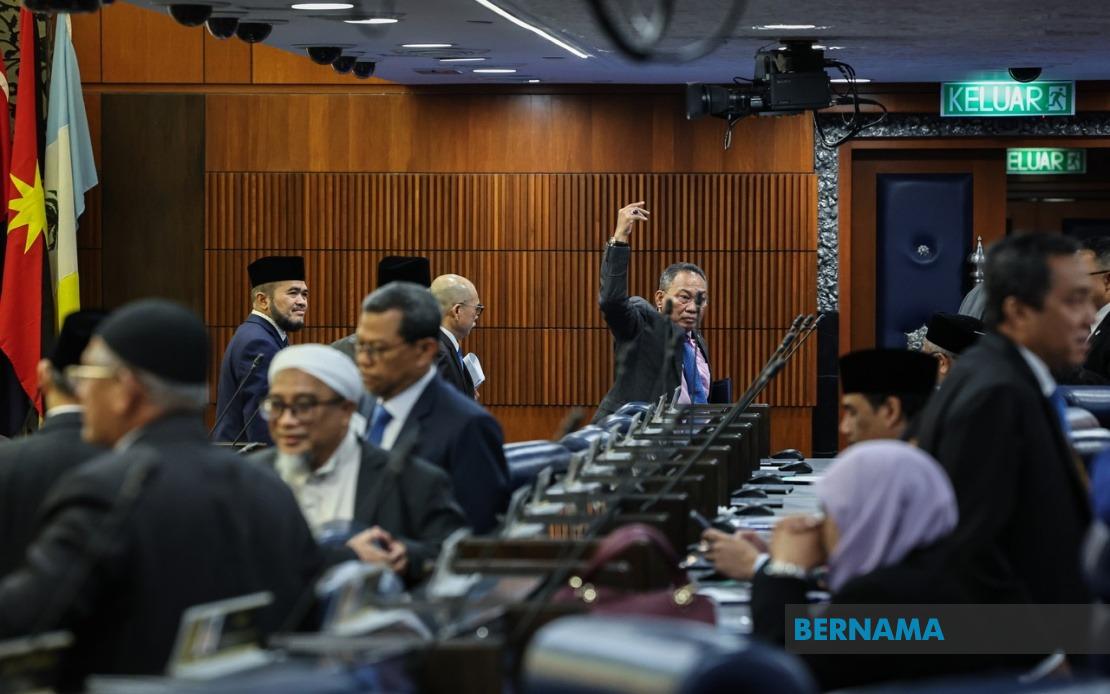
The controversy erupted during a special parliamentary sitting convened to discuss the Royal Commission of Inquiry findings into Tabung Haji's financial collapse. The government had scheduled a ministerial briefing to address the 211-page RCI report, made public on July 29, which documented systematic weaknesses in management and operations spanning 2014 to 2020. However, Opposition Members of Parliament staged a walkout, refusing to participate in proceedings they deemed illegitimate due to the Prime Minister's absence and what they characterized as a dismissal of their procedural objections.
Anwar's inability to attend the sitting stemmed from medical necessity. He underwent an elective laparoscopic procedure to treat a para-umbilical hernia and was undergoing physiotherapy at the time of the session. The Prime Minister had apologized beforehand for his non-attendance. Yet the Opposition, led by the PAS-dominated Perikatan Nasional coalition, interpreted the decision to proceed without him as a deliberate circumvention of accountability. Perikatan Nasional Chief Whip Datuk Seri Takiyuddin Hassan had formally moved to adjourn proceedings, which Dewan Rakyat Speaker Tan Sri Johari Abdul rejected, triggering the walkout.
Central to Anwar's counterattack is the contention that the Opposition cares less about injured depositors than about landing political blows against his government. He posed a rhetorical challenge to Perikatan Nasional: "Does PN, led by PAS, not care about the interests of the less privileged, fishermen, farmers, teachers, police personnel, soldiers and retirees who work hard to save money in Tabung Haji to fulfil the fifth pillar of Islam?" This framing redefines the debate as one about whose interests truly matter—those of millions of ordinary savers or those of politicians seeking advantage. The question carries particular weight in Malaysia, where Tabung Haji serves predominantly Malay-Muslim depositors and is intertwined with religious identity and social obligation.
The RCI report itself, delivered to the Yang di-Pertuan Agong on August 30, 2022, presents a damning portrait of institutional dysfunction. The inquiry, established in 2021 with members appointed January 20, 2022, uncovered 25 recommendations for structural and operational reform. As of July 30, Tabung Haji management had implemented 75 per cent of these measures, suggesting an earnest if incomplete effort at remediation. The specific weaknesses identified—spanning a six-year period encompassing previous administrations—indicate that responsibility for the crisis cannot be attributed solely to the current government, complicating the Opposition's critique.
Anwar's characterization of certain individuals as "traitors" to Tabung Haji and its depositors suggests he views the institutional failures not merely as administrative incompetence but as deliberate betrayal. This language, while harsh, resonates with depositors who have watched their savings erode and prospects for pilgrimage deferred indefinitely. For many Malaysians, Tabung Haji represents a sacred obligation, both financial and spiritual. Its mismanagement therefore carries moral dimensions that transcend conventional fiscal policy debates.
The political theatre surrounding the issue reveals deeper fractures within Malaysia's parliamentary opposition. Perikatan Nasional has positioned itself as champion of Malay-Muslim interests, yet its focus on parliamentary procedure and tactical advantage over substantive engagement with recovery measures invites criticism that it exploits rather than serves its constituency. Conversely, Anwar's government, through its establishment and resource commitment to the RCI process, has signalled institutional accountability, though the Prime Minister's medical absence from the briefing sitting—however legitimate—provided opposition lawmakers an opening to question his personal commitment.
For Malaysian depositors, predominantly ordinary workers saving toward the Islamic pilgrimage, these political disputes offer little comfort. With three-quarters of remedial measures underway, Tabung Haji faces a long reconstruction period. The institution's financial position requires sustained effort, transparent communication with depositors, and continued implementation of remaining recommendations. Political grandstanding, whether from government or opposition benches, diverts energy and public attention from the difficult work of restoration and rebuilding confidence.
The broader Southeast Asian context adds weight to this domestic dispute. Malaysia's Tabung Haji, as the world's largest Islamic pilgrimage savings scheme, represents a unique model for mobilizing grassroots Islamic finance. Its mismanagement invites scrutiny not only domestically but internationally among Muslim-majority nations. How Malaysia resolves both the institutional recovery and the political accountability framework will influence regional confidence in Islamic financial governance structures.
Looking forward, the question Anwar posed—whether parliament will focus on Tabung Haji or on him—likely proves false. Legitimate concerns about governance failures need not equate with personal attacks on the Prime Minister. Similarly, defending government credibility need not require dismissing parliamentary scrutiny. A mature political response would involve cross-party commitment to depositor protection, rigorous oversight of recovery measures, and honest assessment of which actors bear responsibility for each phase of institutional failure. Instead, Malaysia's political polarization has transformed a crisis affecting millions into another arena for zero-sum competition between government and opposition.

