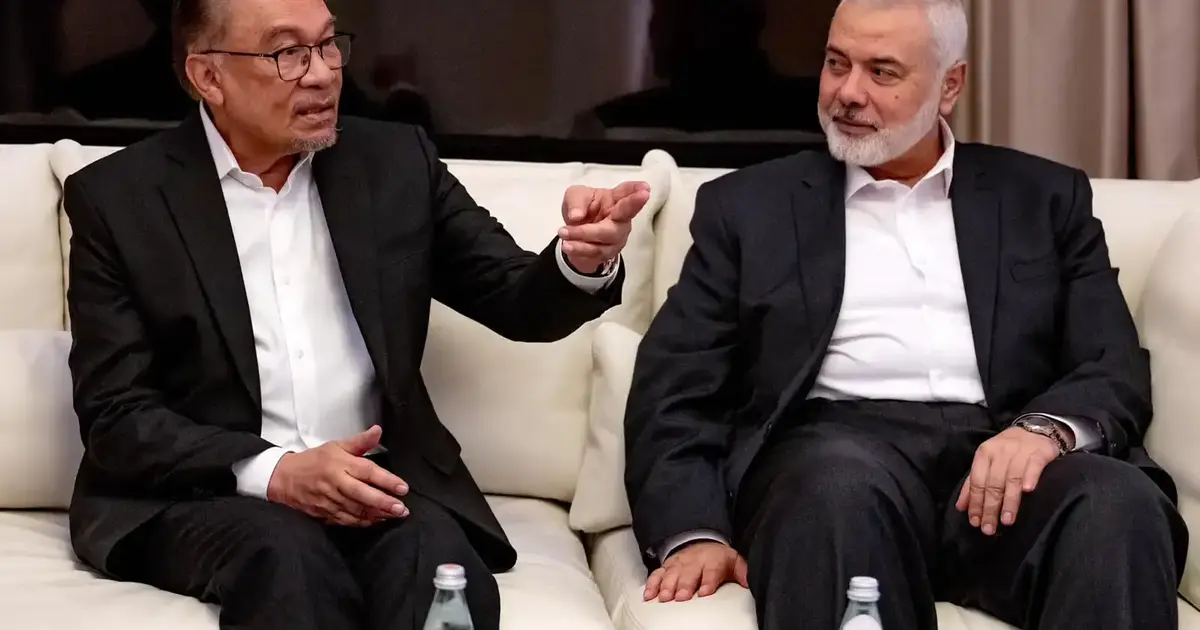
Prime Minister Anwar Ibrahim has categorically rejected allegations suggesting that members of the Palestinian militant group Hamas had received military or operational training within Malaysian territory, characterising such claims as entirely without foundation. The denial comes amid renewed scrutiny of Malaysia's diplomatic and security relationships in the Middle East, particularly following shifts in US foreign policy under the Trump administration.
In addressing the controversy, Anwar emphasised the importance of distinguishing between Malaysia's long-standing support for Palestinian humanitarian and political causes and any involvement in militant activities. Malaysia has historically maintained a position of vocal sympathy for the Palestinian cause whilst simultaneously cooperating with international counterterrorism frameworks. The Prime Minister's response underscores the delicate balancing act that Southeast Asian nations often undertake when navigating complex geopolitical relationships involving the Israeli-Palestinian conflict.
A significant aspect of Anwar's statement involved his proactive disclosure to US President Donald Trump regarding a previous meeting he held with a Hamas leader. By volunteering this information during communications with the Trump administration, the Malaysian Premier sought to preempt potential diplomatic complications and demonstrate transparency in Malaysian government operations. This move reflects the heightened importance Malaysia places on maintaining steady relations with the United States, particularly given American influence over regional security arrangements and economic partnerships.
The decision to inform Trump directly about the historical encounter suggests that Anwar's government views openness with Washington as strategically essential, especially given the incoming administration's traditionally firmer stance on counterterrorism and Middle East policy. The explicit disclosure demonstrates an effort to head off potential misunderstandings that could strain bilateral relations or create obstacles in economic and defence cooperation between Kuala Lumpur and Washington.
The timing of these allegations and Anwar's response reflects broader regional concerns about perceived links between Southeast Asian nations and organisations designated as terrorist entities by Western governments. Several countries in the region, including Malaysia, have faced periodic accusations regarding their approach to regulating groups involved in Palestinian activism, leading to tensions with international partners who maintain stricter definitions of what constitutes militant activity versus legitimate political advocacy.
Malaysia's geopolitical position makes such matters particularly sensitive. As a Muslim-majority nation with substantial Palestinian diaspora communities and civil society organisations focused on Middle Eastern affairs, the country naturally attracts international scrutiny regarding its handling of Palestine-related organisations. Simultaneously, Malaysia's integration into regional security arrangements and its reliance on relationships with Western powers necessitate careful management of these dynamics.
The Prime Minister's response also carries implications for Malaysia's broader counterterrorism credibility within international frameworks. Nations cooperating with INTERPOL, the Financial Action Task Force, and other bodies monitoring transnational security threats must maintain robust records of their enforcement activities. By categorically denying the training allegations and offering transparency to the United States, Anwar signals Malaysia's commitment to meeting international standards in this domain.
For Malaysian readers, the controversy highlights the ongoing tension between the nation's Islamic identity and its obligations within the Western-dominated international system. Public opinion in Malaysia remains sympathetic to Palestinian causes, yet the government must carefully calibrate its actions to avoid triggering economic sanctions, diplomatic isolation, or security complications. The Prime Minister's approach—combining emphatic denial with transparency—attempts to satisfy both domestic constituencies and international partners.
The broader context involves questions about how Southeast Asian nations can authentically express solidarity with Palestinian populations whilst adhering to counterterrorism conventions that many Western nations view as non-negotiable. This remains an unresolved tension for countries like Malaysia, Indonesia, and Pakistan, which maintain strong public support for Palestinian rights whilst simultaneously integrating into security and economic systems dominated by nations that classify Hamas and similar organisations as terrorist entities.
Moving forward, the incident may establish a precedent for how Malaysian government leadership addresses similar allegations. Anwar's model of forthright denial combined with voluntary disclosure of relevant history could become the standard response when Malaysia faces accusations linking government institutions or territory to militant organisations. This approach prioritises reassuring Western partners whilst maintaining domestic political standing among constituencies sympathetic to Palestinian activism.
The statement also underscores the importance of distinguishing between grassroots Palestinian solidarity movements, which enjoy broad support across Malaysian society, and militant training operations. Anwar's categorical rejection makes clear that whilst Malaysia may host Palestinian advocacy groups and humanitarian initiatives, it does not extend such tolerance to operational military activities. This distinction, though sometimes difficult for outside observers to parse, remains central to Malaysia's self-conception as a responsible international partner.

