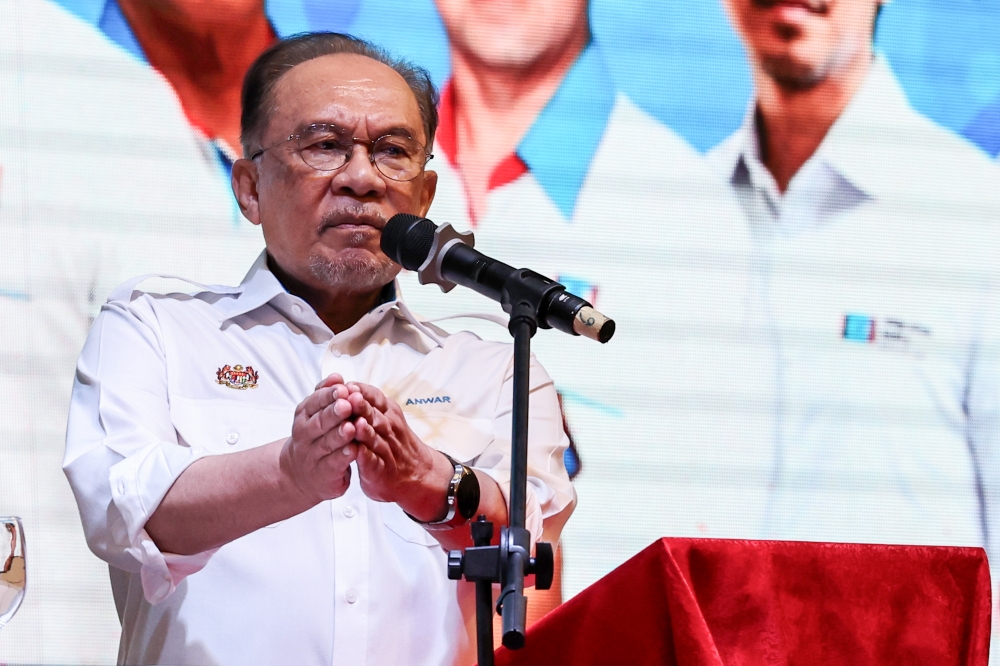
Prime Minister Datuk Seri Anwar Ibrahim has responded firmly to the Royal Commission of Inquiry's findings on Tabung Haji, employing the Malay term "sakau"—meaning the improper siphoning of funds—to characterise the losses that have befallen Malaysia's pilgrimage fund. Speaking in Melaka, Anwar questioned how such a massive financial haemorrhage could be overlooked, signalling his government's determination to pursue accountability and implement necessary reforms within the institution.
The RCI's investigation into Tabung Haji revealed that approximately RM12 billion has gone missing from the fund, a figure that represents one of the most significant institutional financial losses in recent Malaysian history. This discovery has prompted serious questions about governance failures, oversight mechanisms, and the safeguarding of assets belonging to millions of Malaysian Muslims who entrust the organisation with their pilgrimage savings. The scale of the loss underscores not merely accounting irregularities but systemic failures in institutional management that have persisted across multiple administrations.
Anwar's choice of language—invoking the concept of sakau—reflects the government's position that what occurred amounts to more than administrative oversight or investment miscalculation. The terminology suggests deliberate or reckless misappropriation of funds, characterising the issue as one involving potential misconduct rather than innocent mismanagement. This rhetorical positioning sets the tone for how the administration intends to address the crisis, moving beyond technocratic responses towards what may involve investigations into individual accountability and potential prosecutions.
The Tabung Haji issue carries profound implications for public confidence in Malaysia's financial institutions and government-linked organisations. For the millions of Malaysians who have saved through Tabung Haji for their hajj pilgrimage—one of Islam's five pillars—the revelation of such losses raises urgent questions about whether their contributions have been adequately protected and prudently managed. The fund's reputation as a trusted custodian of religious savings is now significantly compromised, requiring substantial institutional rehabilitation efforts.
This situation also reflects broader concerns about governance in Malaysia's public and quasi-public sectors. The ability of RM12 billion to disappear without earlier detection or intervention suggests weaknesses in internal controls, audit procedures, and board oversight that extend beyond Tabung Haji itself. Regulatory bodies and government agencies responsible for monitoring such institutions will face scrutiny regarding their vigilance and the adequacy of their supervisory frameworks. For regional observers, the case exemplifies challenges that several Southeast Asian nations face in strengthening institutional accountability within government-linked entities.
The Prime Minister's emphatic response suggests his administration is prepared to pursue consequences for those found responsible, whether through financial penalties, legal action, or removal from positions of trust. This stance carries political weight, as Anwar has previously campaigned on anti-corruption platforms and institutional reform. However, translating these statements into concrete outcomes will require coordination among multiple agencies, including the Malaysian Anti-Corruption Commission, the Attorney General's office, and the Securities Commission, depending on the nature of violations uncovered.
Tabung Haji's recovery and reform will likely entail several components. These may include comprehensive institutional restructuring, replacement of governance personnel, strengthening of internal audit mechanisms, and possible capital injections to restore the fund's financial position. The government must also address questions about what happened to the missing funds—whether they were lost through failed investments, misappropriated entirely, or subjected to fraudulent schemes—as this will determine both remedial and punitive responses.
The timing of these revelations occurs against Malaysia's broader effort to restore institutional credibility following earlier scandals involving major government-linked entities. The 1Malaysia Development Bhaad crisis established a template for how institutional malfeasance can undermine public trust and national reputation. The Tabung Haji situation, though of different magnitude and character, risks reinforcing perceptions that Malaysian institutions require fundamental strengthening of accountability mechanisms and fiduciary protections.
For savers and future pilgrims, the RCI's findings have created immediate anxiety about the safety and return of their contributions. The government faces pressure to provide clear guarantees regarding the security of deposited funds and transparent communication about recovery prospects. This may necessitate special legislative measures or guarantees to restore confidence among the approximately one million annual hajj pilgrims and the broader base of Tabung Haji participants who number in the millions.
Anwar's response also indicates his administration intends to differentiate itself from previous governments by taking decisive action on institutional failures and financial irregularities. How swiftly and comprehensively the government acts on the RCI's recommendations will be closely watched by international observers assessing Malaysia's commitment to accountability and good governance. The issue extends beyond financial recovery to become a barometer of whether institutional reform announcements translate into measurable improvement in governance standards across Malaysia's public sector ecosystem.

