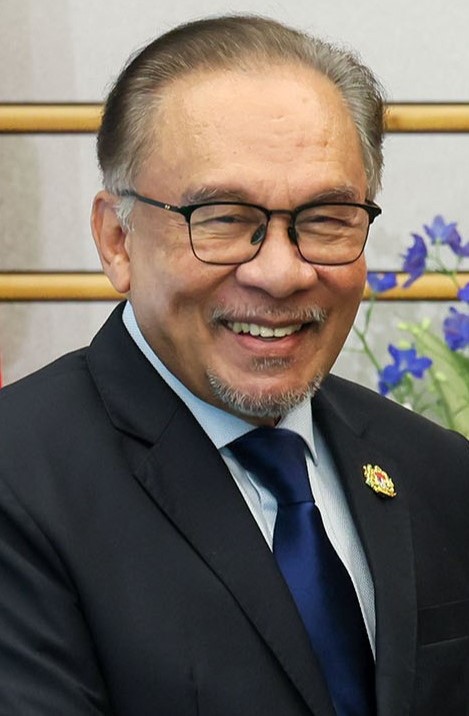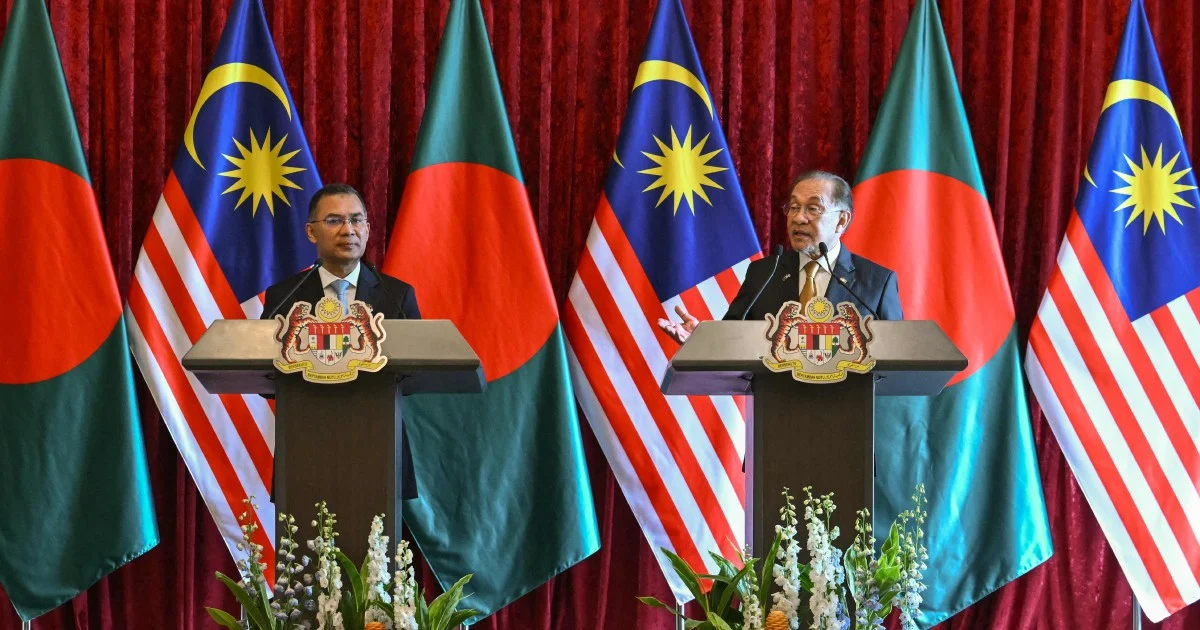
Prime Minister Datuk Seri Anwar Ibrahim has made a formal commitment to eliminate exploitative practices targeting Bangladeshi migrant workers, highlighting the critical role these labourers play in sustaining Malaysia's economic engine. Speaking on the issue, Anwar stressed that such treatment is unacceptable and incompatible with Malaysia's values and international obligations.
The pledge represents a significant policy statement at a time when Malaysia's construction, manufacturing, and domestic service sectors rely heavily on Bangladeshi nationals. An estimated 1.6 million Bangladeshi workers operate across various industries in Malaysia, making them one of the largest migrant communities in the country. Their remittances to Bangladesh constitute a substantial economic lifeline for hundreds of thousands of families, underscoring the mutual economic interdependence between the two nations.
Labour rights advocates and civil society organisations have long documented troubling patterns within Malaysia's migrant worker system. Reports consistently detail wage theft, passport confiscation, unsafe working conditions, and contract breaches that leave workers vulnerable and without recourse. The vulnerability is particularly acute for undocumented workers who fear reporting abuses to authorities due to deportation concerns. Anwar's pronouncement indicates recognition that such systemic issues demand coordinated governmental intervention rather than piecemeal enforcement.
The Malaysian government has faced international scrutiny over migrant worker conditions, particularly following reports from United Nations bodies and international labour organisations. The International Labour Organisation has repeatedly flagged concerns about forced labour indicators within Malaysia's migrant workforce populations. Such findings carry diplomatic weight and risk damaging Malaysia's reputation as a responsible employer of foreign labour, potentially affecting bilateral relations with source countries like Bangladesh.
Bangladesh has increasingly asserted itself regarding the welfare of its overseas workers, particularly after high-profile incidents and exploitative practices gained media attention. The Bangladeshi government maintains regular dialogue with Malaysian counterparts through bilateral forums and labour attaché offices. Anwar's commitment may partly reflect diplomatic pressure from Dhaka, which maintains leverage through its influence over labour migration flows and broader regional partnerships.
Effective implementation of anti-exploitation measures requires strengthening enforcement mechanisms, expanding labour inspection capacity, and establishing accessible complaint mechanisms for vulnerable workers. Many Bangladeshi migrants operate in informal sectors or work alongside subcontractors, making regulatory oversight challenging. Enhanced coordination between Malaysian labour authorities and Bangladeshi labour attachés could improve detection and prosecution of trafficking networks and exploitative employers.
The construction and manufacturing sectors, which employ hundreds of thousands of Bangladeshi workers, operate under intense competitive pressures that sometimes incentivise cost-cutting at worker expense. Projects with compressed timelines and narrow margins create environments where safety violations and wage deductions become systemic rather than exceptional. Addressing root causes requires not just punitive measures against offending employers but also industry-wide approaches that discourage exploitative labour practices throughout supply chains.
Technological solutions and institutional reforms could complement traditional enforcement approaches. Blockchain-based wage payment systems could reduce theft, while centralised worker complaint platforms accessible via mobile devices could overcome language barriers and geographic dispersal. Training Malaysian immigration and labour officials to recognise trafficking indicators and document evidence properly would strengthen prosecution capabilities for cases that reach courts.
Anwar's position gains significance given Malaysia's broader positioning within Southeast Asia and its relationship with Bangladesh, a nation of 170 million people with whom Malaysia maintains trade partnerships and security cooperation. Demonstrating commitment to worker protection strengthens Malaysia's standing within international labour governance frameworks and protects the country's reputation as migration destination. Conversely, failure to substantively address exploitation risks diplomatic friction and potential labour migration restrictions from source countries.
Civil society monitoring remains essential for accountability. Independent organisations already document workplace abuses and support affected workers through legal aid programmes. Expanding space for these organisations to operate, including protecting them from harassment, would improve information flows about violations. Worker-led initiatives and Bangladeshi community networks operating within Malaysia also generate practical support that alleviates some pressures on official systems.
The transition from rhetorical commitment to tangible change typically unfolds through budget allocation, enforcement prioritisation, and legislative reform. Whether Anwar's promise translates into sustained action depends on competing governmental priorities, resource availability, and political will to confront employers and contractors who profit from the current system. Progress metrics should include conviction rates for labour trafficking, reduction in wage theft complaints, and improvements in working condition standards across high-risk sectors.
Successful intervention requires recognising that Bangladeshi workers are not merely economic units but human beings whose dignity and rights demand protection. Malaysia benefits substantially from their labour, creating a reciprocal obligation to ensure that contribution occurs within frameworks respecting fundamental rights. Anwar's commitment, if matched by implementation rigour, could establish Malaysia as a regional leader in migrant worker protection and reshape industry practices across Southeast Asia's labour-intensive sectors.