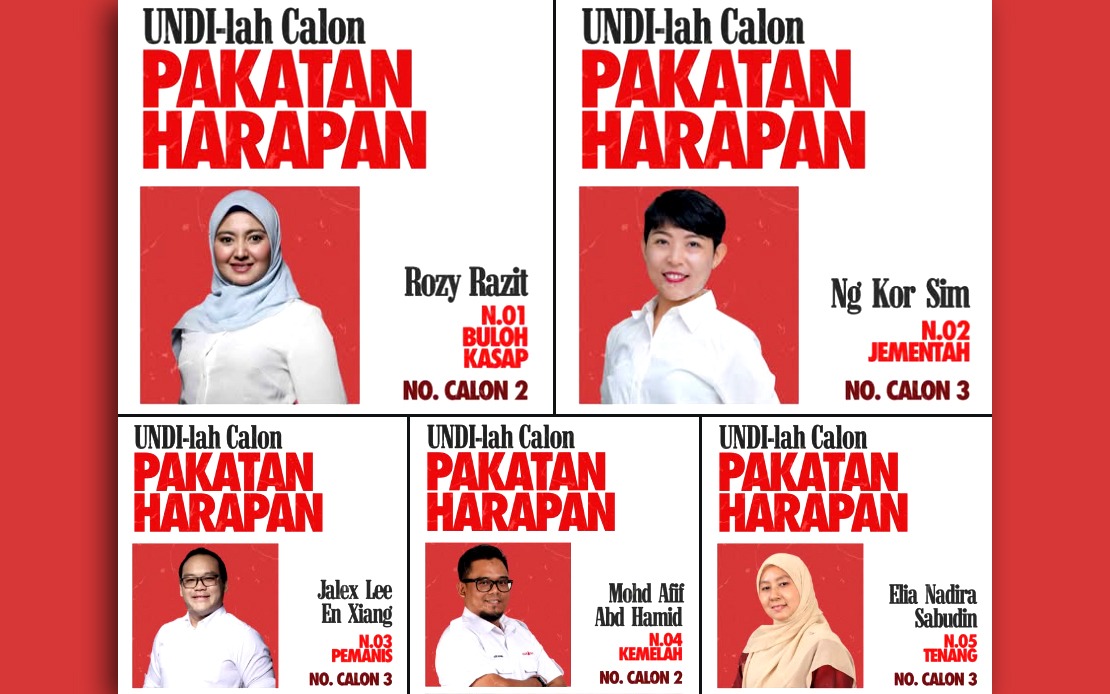
Prime Minister Anwar Ibrahim has issued a direct appeal to voters in Johor, urging them to grant Pakatan Harapan the electoral mandate to administer the state for the next five-year term. In a statement posted to social media, the PKR president and PH coalition chairman framed the election as a choice about trust and responsibility, emphasising that his political movement would exercise stewardship of the state with unwavering dedication should Johoreans decide to vote for the coalition's candidates.
The appeal comes as Pakatan Harapan prepares for a significant electoral test in one of Malaysia's most politically important states. Johor has long been considered a bellwether for national political trends, making the upcoming contest consequential for both the ruling coalition and its opponents. By personally intervening in the campaign messaging, Anwar is signalling the strategic weight the government places on retaining or expanding influence in a state that accounts for considerable parliamentary representation and serves as an economic powerhouse in the southern region.
Anwar's campaign framing drew upon religious principles to underscore his message about political accountability. He referenced Verse 58 of Surah An-Nisa from the Quran, which addresses the obligation to fulfil trusts and maintain justice in one's dealings. This invocation of Islamic teaching reflects a deliberate rhetorical strategy to connect governance with moral and spiritual responsibility, messaging designed to resonate with Johor's predominantly Muslim electorate and to position Pakatan Harapan's candidacy within a framework of ethical stewardship rather than mere political competition.
The coalition is contesting all 56 seats available in the state assembly, indicating a comprehensive strategy to maximise its representation across every electoral district in Johor. This full-slate approach demonstrates confidence in Pakatan Harapan's organisational capacity and its assessment of electoral prospects across diverse communities and constituencies. The decision to field candidates everywhere also reflects the coalition's determination to prevent opposition parties from securing uncontested seats and building momentum through default victories.
Johor's electoral calendar has been structured to allow preparation time for voters and campaigners alike. Polling day is scheduled for July 11, giving the electorate more than two weeks from the date of Anwar's appeal to consider their choices and engage with campaign messaging from competing political forces. Early voting will take place on July 7, providing flexibility for voters who may be away from their constituencies on the main polling date or who prefer to cast ballots earlier in the voting window.
The timing of Anwar's intervention reflects broader patterns in Malaysian electoral politics, where prime ministers routinely leverage their national platform and media access to campaign for coalition candidates in state-level contests. By personalising the appeal and connecting it to themes of trust and justice, Anwar attempts to elevate the state election beyond local or parochial concerns and frame it as part of a larger national political project that his leadership represents.
Pakatan Harapan's performance in Johor carries implications extending well beyond the state itself. Success would strengthen the coalition's grip on federal power by demonstrating continued popular support in a state that serves as home to significant numbers of federal parliamentarians and economic interests. Conversely, setbacks would invite questions about the sustainability of the current federal government's political base and could embolden opposition forces to intensify their challenges to Anwar's administration at the national level.
For Malaysian voters tracking political developments, the Johor election offers a concrete opportunity to assess the relative strength of competing political coalitions and to evaluate public sentiment toward the government's record in office. State elections frequently serve as mid-term referendums on national administrations, allowing voters to signal satisfaction or dissatisfaction without necessarily changing the federal government. This particular contest will thus provide valuable data about how Johoreans view Pakatan Harapan's stewardship since the coalition returned to power in late 2022.
The emphasis on trust in Anwar's messaging also addresses historical concerns about political reliability that have shaped Johor politics. The state has experienced multiple changes of government and coalition shifts over recent decades, creating an electorate that may harbour scepticism about politicians' ability to follow through on commitments. By explicitly pledging that Pakatan Harapan would not betray the confidence voters place in it, Anwar is attempting to overcome accumulated cynicism and position his coalition as worthy of a fresh mandate based on demonstrated commitment to fulfilling its obligations.

