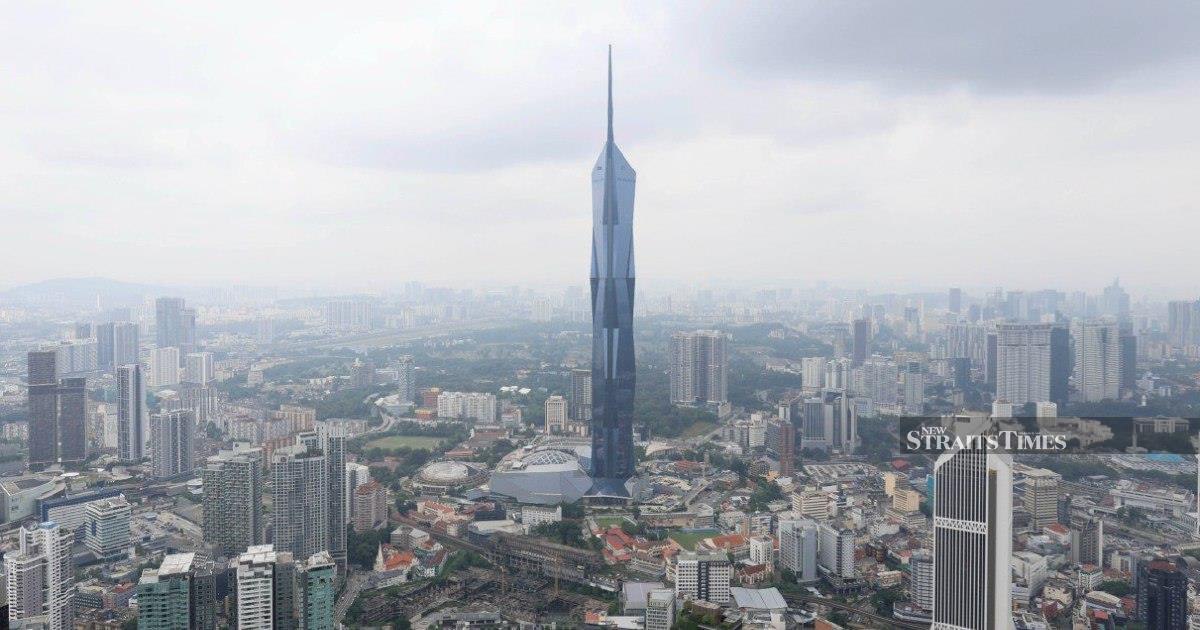
Prime Minister Datuk Seri Anwar Ibrahim has made an appeal to the Malaysian public to offer prayers for relief from the haze that currently blankets parts of the nation, expressing concern that the atmospheric condition could disrupt the upcoming National Day celebrations scheduled for August 31. Speaking from Cyberjaya, the Prime Minister emphasised the spiritual and collective dimension of addressing the environmental challenge, urging citizens across the country to join in supplication for clearer skies during this significant national occasion.
The timing of Anwar's remarks underscores the persistent nature of the haze problem that has periodically affected Malaysia and the broader Southeast Asian region. Air quality deterioration during the pre-National Day period carries particular significance, as August 31 typically features major public gatherings, parades, and outdoor ceremonies that depend on reasonable visibility and safe breathing conditions. The Prime Minister's intervention reflects government awareness that haze episodes can substantially impact public health and the quality of national celebrations that form a cornerstone of Malaysian civic life.
Haze episodes in Malaysia have historically traced to biomass burning activities in neighbouring countries, particularly during drought seasons, alongside domestic sources including agricultural and industrial activities. The meteorological phenomenon affects air quality indices across multiple states and can persist for weeks depending on wind patterns and weather systems. Previous years have witnessed significant public health implications, including respiratory complications, school closures, and disruptions to outdoor activities, making the condition a matter of sustained national concern.
The Prime Minister's invocation of prayer as part of the response strategy reflects Malaysia's deeply religious character and the cultural frameworks through which the public processes collective challenges. Beyond its spiritual dimension, such messaging encourages public mindfulness about air quality and environmental stewardship, positioning citizens as stakeholders in atmospheric health rather than passive observers. The statement also implicitly acknowledges the limitations of immediate governmental intervention in addressing transboundary haze sources that lie beyond Malaysia's direct territorial control.
National Day celebrations represent a focal point of Malaysian identity and national unity, drawing participation from diverse ethnic and religious communities across the federation. The outdoor components of these festivities, including flag-raising ceremonies, parades, and public gatherings, depend substantially on weather and air quality conditions. Haze episodes can necessitate modifications to programming, relocation of events indoors, or introduction of health precautions that diminish the celebratory atmosphere Malaysians anticipate during this patriotic occasion.
The government has maintained various protocols for addressing air quality deterioration, including air quality monitoring systems and health advisories that guide public behaviour when the Air Pollutant Index reaches concerning thresholds. However, the unpredictability of haze formation and the transnational dimensions of the problem mean that advance planning and contingency arrangements remain necessary components of event management. The Prime Minister's statement signals that relevant authorities are monitoring conditions and factoring atmospheric variables into National Day preparations.
Public response to haze episodes in Malaysia has evolved as awareness of air quality impacts has grown, with citizens increasingly adopting protective measures including use of respiratory masks and indoor air purification. Media coverage and health authority communications have heightened understanding of vulnerable populations, including children, elderly persons, and individuals with respiratory conditions who face elevated risks during poor air quality periods. This public consciousness means that atmospheric conditions during National Day will attract scrutiny and potentially influence participation patterns in outdoor activities.
The Prime Minister's remarks contextualise haze not merely as an environmental nuisance but as a challenge with implications for national celebrations and public wellbeing. International cooperation and transboundary environmental management remain pertinent given the regional nature of haze formation, yet immediate governmental capacity to influence meteorological conditions remains constrained. The invocation of collective prayer therefore serves multiple purposes: acknowledging the limits of purely technical intervention, mobilising public consciousness, and framing atmospheric relief within culturally resonant frameworks.
Looking toward August 31, Malaysian authorities will likely continue monitoring air quality indices and preparing contingency plans should haze persist. The balance between maintaining celebration traditions and ensuring public health protection will shape final determinations regarding event formats and public health messaging. The Prime Minister's appeal reflects recognition that haze mitigation ultimately depends on convergence of favourable meteorological conditions, regional cooperation efforts, and controlled burning practices across Southeast Asia—factors requiring sustained diplomatic and environmental management engagement extending well beyond any single national celebration cycle.

