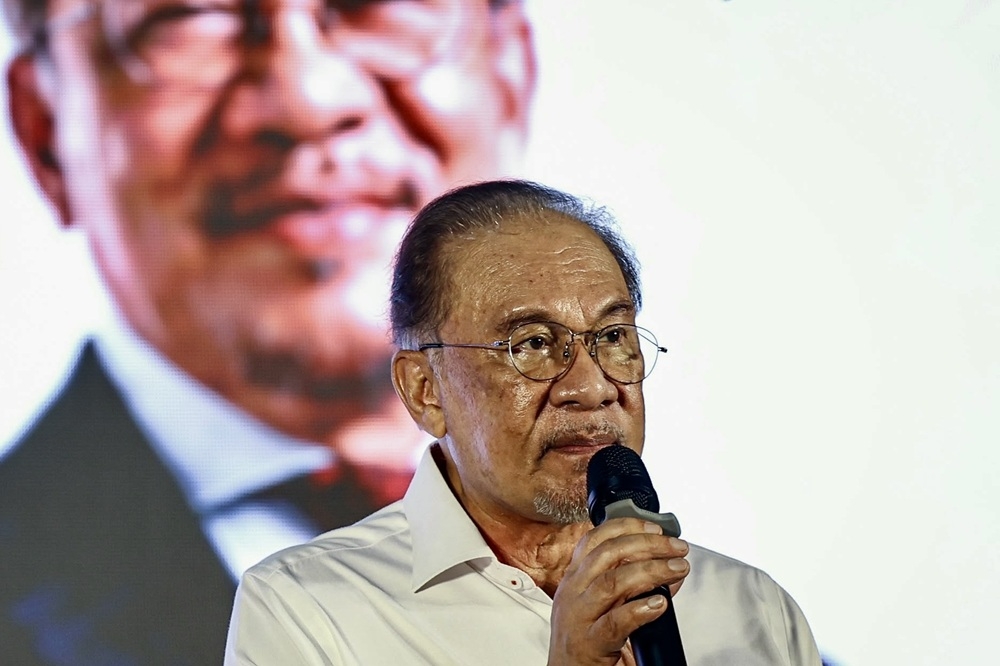
Prime Minister Datuk Seri Anwar Ibrahim indicated on Tuesday that he has not yet received a comprehensive briefing regarding recent tensions that have erupted within the Democratic Action Party's Melaka chapter, but assured that the ruling coalition leadership will move decisively once it has fully grasped the situation. The comment underscores how the bloc's top echelon is still gathering details about the dispute, which has become a focal point for observers monitoring cohesion within Pakatan Harapan at the state level.
Melaka has long served as a strategically important battleground in Malaysian politics, given its geographic proximity to the more populous Selangor and its historical significance as a swing state. The emergence of friction within one of the coalition's component parties signals potential vulnerability at a time when Pakatan Harapan is managing a complex federal government alongside the Perikatan Nasional bloc and independent lawmakers. The timing of internal party disputes can ripple beyond state boundaries, particularly in parliamentary systems where state representation influences overall coalition strength.
The nature of tensions within the Melaka DAP remains a concern for party observers and coalition strategists alike. Internal dissent over leadership direction, candidate selection processes, or resource allocation are perennial challenges for any political organisation, but they assume heightened importance when they occur within a coalition partner during a delicate governing period. The Melaka situation illustrates how local party mechanics can quickly become matters of national political consequence, drawing attention from federal leadership.
Anwar's measured statement reflects the deliberative approach Pakatan Harapan leadership has adopted when confronting internal disputes. Rather than reacting hastily, the coalition appears intent on fully understanding the grievances and positions of all parties involved before determining an appropriate course of action. This approach, while cautious, also risks allowing unresolved tensions to fester if not addressed promptly. In Malaysian politics, where factional disputes can solidify into entrenched positions, speed and transparency in conflict resolution often matter as much as the eventual outcome.
The Democratic Action Party has historically been a stable pillar within Pakatan Harapan, drawing consistent electoral support particularly from urban and semi-urban constituencies. The Melaka chapter's internal challenges therefore warrant serious attention from both the party's national leadership and coalition officials, as any significant weakening of DAP organisational capacity could translate into reduced electoral performance in upcoming contests. State-level party health directly influences federal coalition dynamics in Malaysia's hybrid parliamentary system.
Pakatan Harapan's leadership structure encompasses representatives from the DAP, Parti Keadilan Rakyat, and Parti Amanah Negara, with occasional coordination involving Warisan in Sabah. When disputes emerge within any component party, the coalition's coordinating bodies must weigh multiple considerations: the need to project unity to voters, respect for individual party autonomy, and the practical imperative to resolve issues that could undermine governmental performance. Anwar's role as Prime Minister adds another dimension, as his personal authority carries weight in both federal governance and coalition management.
The situation in Melaka also reflects broader organisational challenges facing Malaysian political parties. Beyond ideological alignment and policy platforms, parties must manage internal democracies, ensure fair representation of diverse viewpoints, and prevent power consolidation that might alienate grassroots members. The DAP's reputation for robust internal discussion and democratic processes within party structures has generally served it well, but like all organisations, it remains vulnerable to disputes when interests diverge significantly.
For Malaysia's political observers and ordinary citizens following coalition developments, the Melaka DAP situation carries implications beyond state politics. Federal government stability depends partly on maintaining functional relationships among coalition partners and managing dissent within party structures before it escalates to the point of threatening parliamentary support. Anwar's acknowledgment that a briefing is still pending suggests that coalition leaders are treating the matter with sufficient seriousness to warrant executive-level attention.
The resolution mechanism that Pakatan Harapan ultimately employs—whether through party internal processes, coalition mediation, or joint statements—will signal how the coalition intends to manage similar challenges going forward. Malaysian political history provides numerous examples of factional disputes that metastasised into major governmental crises when left unaddressed. Conversely, coalitions that address tensions early and transparently tend to emerge stronger and more resilient.
Moving forward, observers will scrutinise how quickly Anwar receives the briefing he indicated he needed, what remedial actions the coalition proposes, and whether these steps successfully restore confidence within the Melaka DAP membership. The next few weeks will likely prove decisive in determining whether this episode represents merely a temporary organisational friction or a symptom of deeper structural problems within the state chapter that could influence Pakatan Harapan's performance in future electoral contests.

