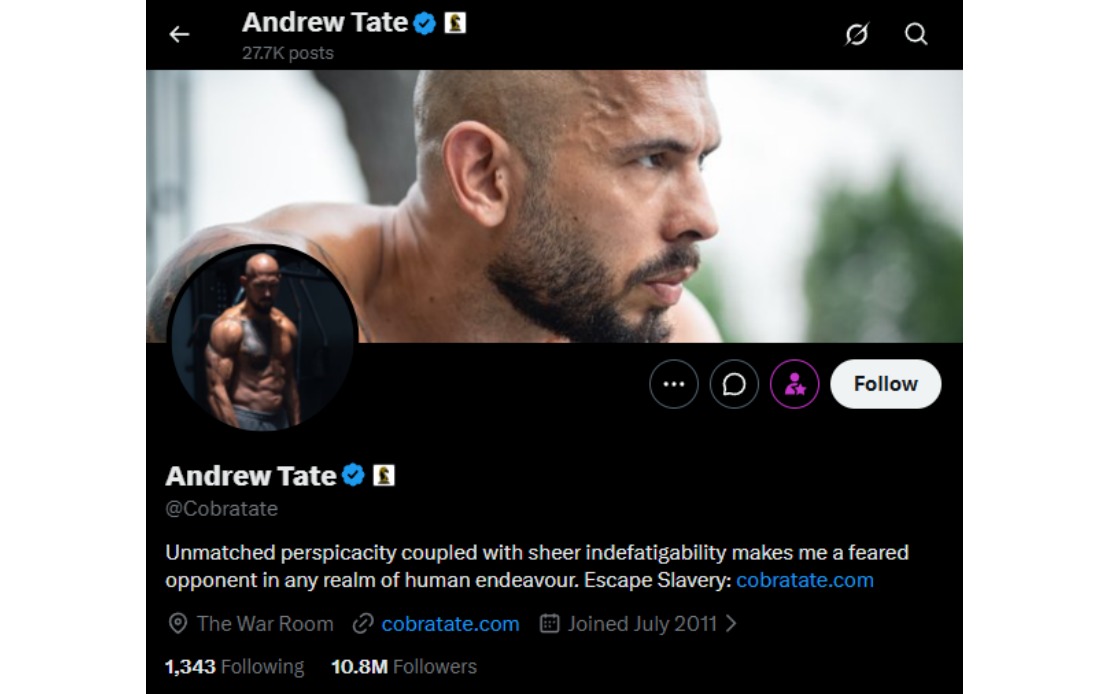
The arrest of social media influencers Andrew and Tristan Tate in Miami marks a significant escalation in an ongoing legal saga that has captured international attention. On Saturday, US Marshals Service officials confirmed that the brothers had been apprehended in the Florida city, acting on new charges filed by Britain's Crown Prosecution Service. The development signals continued momentum in authorities' investigation into allegations involving sexual exploitation, a case that has drawn scrutiny across multiple jurisdictions and highlighted the complex nature of prosecuting online personalities with global reach.
British prosecutors formally announced the fresh charges against the brothers in a separate statement, building upon previous investigations that have already resulted in significant legal proceedings. The specific allegations centre on rape and human trafficking offences, crimes that carry considerable weight within the British legal system and typically result in substantial prison sentences upon conviction. The decision to pursue additional charges suggests that prosecutors have identified new evidence or victims willing to come forward, strengthening what prosecutors may view as a comprehensive case against the two men.
The Tate brothers had previously garnered notoriety through their social media presence, where they cultivated followings in the millions across various platforms. Their content frequently promoted controversial views on masculinity and relationships, attracting both devoted admirers and vocal critics. The arrest in the United States underscores how allegations against high-profile online figures can transcend national borders, requiring cooperation between law enforcement agencies in different countries. The involvement of US federal authorities demonstrates the international dimension of modern criminal investigations, particularly those involving figures with transnational influence and reach.
For Malaysian and Southeast Asian observers, the case exemplifies broader concerns about online content creation and the accountability of digital influencers. The region has witnessed exponential growth in social media usage and the emergence of local influencer economies, raising questions about the responsibility platforms bear in moderating potentially harmful content. The arrest of figures with significant online followings serves as a reminder that popularity and influence do not shield individuals from legal consequences, a principle that may resonate with regulators and parents across the region increasingly concerned about online safety.
The arrest procedure itself involved coordination between British and American authorities, reflecting established protocols for handling international criminal matters. The US Marshals Service, a federal agency responsible for apprehending fugitives and locating wanted individuals, was tasked with executing the warrant in Miami. Such operations require mutual legal assistance treaties and information sharing between nations, processes that have become increasingly streamlined as countries recognise the necessity of cross-border law enforcement cooperation in tackling serious crimes.
The implications for platform governance are substantial. Major social media companies have faced mounting pressure to enforce community standards more rigorously, particularly regarding content that may promote harmful attitudes or behaviours. The case against the Tate brothers demonstrates that even individuals with substantial platforms and protected speech considerations can face criminal prosecution if their conduct crosses into illegal territory. This distinction between protected expression and criminal conduct has become increasingly important as platforms attempt to balance free speech principles with responsibility for harmful outcomes.
For victims of sexual exploitation and trafficking, the case holds symbolic significance. Allegations of human trafficking in particular represent some of the most serious crimes within modern criminal justice systems, involving not merely individual victimisation but often systematic exploitation networks. The decision by prosecutors to pursue these charges reflects a commitment to investigating and prosecuting trafficking operations, work that requires extensive investigative resources and often relies on courageous testimony from survivors willing to relive traumatic experiences in court proceedings.
The arrest also raises questions about asset management and financial investigation in international cases. Individuals accused of human trafficking and sexual exploitation often attempt to conceal or move assets across borders, complicating prosecution efforts. Authorities in multiple jurisdictions have likely pursued parallel financial investigations to trace suspicious transactions and establish the alleged criminal enterprise's operational structure. Such investigations can be lengthy and technically complex, requiring forensic accounting expertise and sustained coordination between agencies.
Looking forward, the case will likely proceed through both British and American legal systems, depending on where charges are prioritised and how authorities determine jurisdiction. The brothers may face extradition decisions, legal challenges regarding evidence admissibility, and complex procedural questions about which court system should take precedence. For legal observers across Southeast Asia, the case demonstrates how modern criminal justice increasingly involves multiple jurisdictions simultaneously, requiring defendants to navigate overlapping legal systems with different rules and procedures.
The broader context includes heightened global attention to human trafficking and sexual exploitation networks, driven by advocacy organisations, law enforcement agencies, and survivor support groups. The United Nations and regional bodies including the Association of Southeast Asian Nations have identified trafficking as a priority concern, with particular focus on online recruitment and exploitation methods. The Tate case exemplifies how criminal networks may leverage digital platforms to identify and exploit victims, a concern that has prompted policy discussions throughout the region regarding stronger regulation and enforcement mechanisms.

