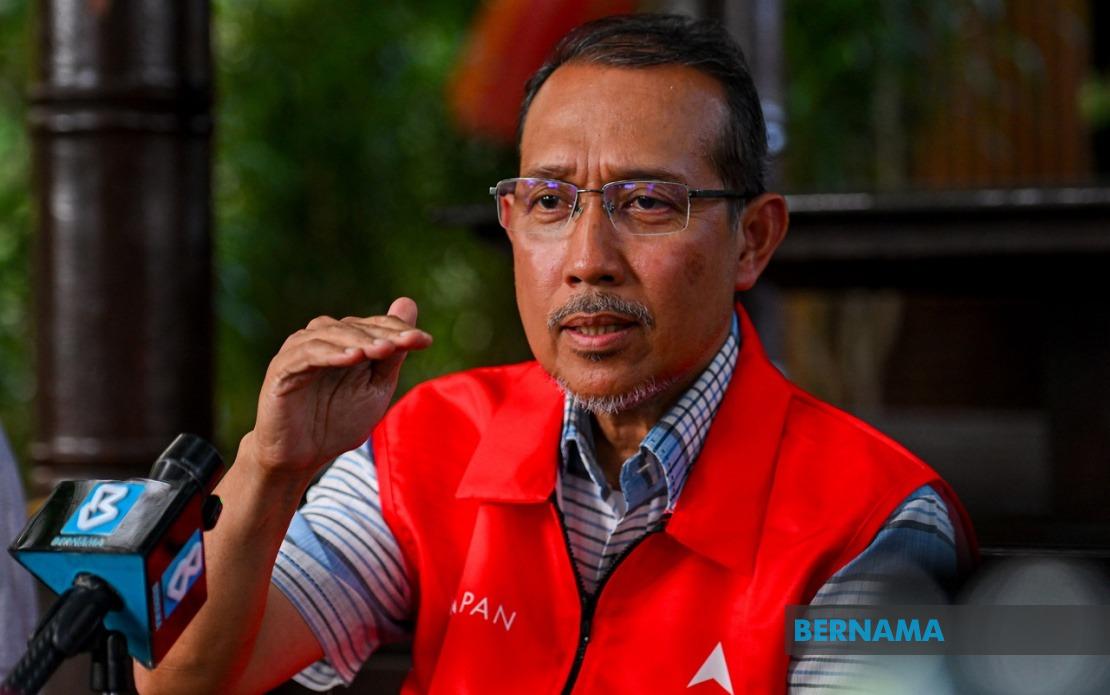
Datuk Muhammad Nazri Kassim, the Pakatan Harapan candidate contesting the Ampangan state seat in the upcoming Negeri Sembilan election, has unveiled an ambitious agenda to reshape the constituency into a thriving economic and social centre. His vision extends beyond conventional political pledges to address the practical concerns that have long troubled the community, particularly the recurring vulnerability to flooding that has disrupted daily life and threatened livelihoods in this central Seremban location.
The candidate's development blueprint places particular emphasis on the foundational infrastructure that residents depend on daily. Muhammad Nazri acknowledges that roads, drainage systems, and river maintenance form the backbone of a livable township, and he is committed to ensuring these utilities receive consistent, professional attention. This focus reflects hard-won lessons from the devastating 2021 floods, which exposed gaps in the existing management frameworks and prompted soul-searching among policymakers about how better to protect vulnerable communities from recurring natural disasters.
The collaborative river management initiative implemented by the Negeri Sembilan state government represents a turning point in the constituency's relationship with water-related hazards. According to Muhammad Nazri, this multi-year programme has yielded tangible results, with the region spared from major flooding incidents over the past three to four years. Rather than viewing flood prevention solely as a defensive measure, the candidate has reframed improved river conditions as a platform for recreational development—creating spaces where residents can jog, cycle, and engage in outdoor activities that enhance quality of life while demanding minimal additional public expenditure.
Ampangan's strategic location in the heart of Seremban presents an underutilized opportunity for economic revitalization. Muhammad Nazri has identified the Benteng area as a focal point for development that could attract visitors and stimulate entrepreneurial activity among local traders. The underlying logic is straightforward yet compelling: a clean, well-maintained township with attractive public spaces naturally becomes more inviting to both consumers and business owners. This virtuous cycle—improved infrastructure encouraging commercial activity, which in turn generates income for residents—represents a pragmatic approach to inclusive economic development that does not require massive capital injection but rather strategic maintenance and modest enhancement.
The interconnection between environmental quality and economic opportunity is central to the candidate's campaign messaging. Muhammad Nazri contends that aesthetic improvements and functional infrastructure upgrades create the preconditions for business activity to flourish organically. When residents encounter clean streets, properly managed waterways, and orderly public spaces, they gain confidence in their surroundings and become more willing to patronize local establishments or launch their own ventures. This perspective acknowledges that economic development is not purely about attracting foreign investment or large corporations, but rather about enabling ordinary residents to participate meaningfully in income-generating activities within their own communities.
Muhammad Nazri's campaign strategy relies heavily on direct engagement with constituents, eschewing the mass rallies and scripted events that have long dominated Malaysian electoral politics. His house-to-house approach aims to build a granular understanding of the specific challenges facing individual households and neighbourhoods. This methodology carries methodological advantages beyond mere political theatre—it allows candidates to identify patterns in constituent concerns and develop responses calibrated to local realities rather than generic policy platforms. The effectiveness of such ground-level intelligence gathering has become increasingly recognized as essential in competitive electoral contests where multiple candidates vie for votes in communities large enough to generate complex, overlapping demands.
The Ampangan constituency encompasses 21,336 registered voters and sits within the broader Seremban parliamentary district. This scale places the seat firmly in the category of closely contested elections where individual candidate performance and localized campaign execution can meaningfully influence outcomes. The three-way contest involving Muhammad Nazri of Pakatan Harapan, Datuk Dr Mohamad Rafie Malek representing Perikatan Nasional, and Noor'azah Harun of Parti Pribumi Bersatu Malaysia indicates a fragmented voter landscape where no single coalition has secured overwhelming dominance. Such pluralistic competition creates both challenges and opportunities for candidates seeking to build winning coalitions.
The electoral timeline is now compressed, with the Election Commission having designated August 1 as polling day for the Negeri Sembilan state election. Early voting has been scheduled for July 28, meaning the effective campaign window extends mere days beyond the announcements of candidates' platforms and policy commitments. This abbreviated period underscores the importance of pre-existing grassroots organization and name recognition—elements that Muhammad Nazri has been cultivating through his intensive house-to-house outreach in preceding weeks. The urgency of the timeline also means that campaigns must distill their messages to core themes that resonate immediately with voters navigating multiple electoral appeals simultaneously.
Prime Minister Datuk Seri Anwar Ibrahim's participation in Ampangan campaign events signals national leadership investment in Pakatan Harapan's performance in this state election. This top-level involvement reflects the coalition's strategic interest in consolidating control of Negeri Sembilan and building momentum for potential future federal electoral contests. When sitting prime ministers campaign for state-level candidates, they implicitly endorse those candidates' local agendas while simultaneously positioning state elections as proxies for national political competition. This telescoping of electoral significance means that voters in Ampangan are effectively being asked to weigh not only local development priorities but broader questions about national political direction.
The development vision articulated by Muhammad Nazri resonates with broader Southeast Asian conversations about balancing rapid urbanization with environmental sustainability and inclusive economic participation. Negeri Sembilan, like other Malaysian states, grapples with the tension between attracting commerce and maintaining livable communities. Ampangan's location places it at the intersection of these concerns—close enough to Seremban's urban centre to benefit from commercial spillovers, yet sufficiently distinct to maintain its character as a residential area where routine quality-of-life matters like flood protection and public aesthetics directly impact voter satisfaction. How the winning candidate in this election addresses these tensions will offer insights into the priorities that Malaysian state legislatures are actually implementing, as opposed to merely promising during campaign season.

