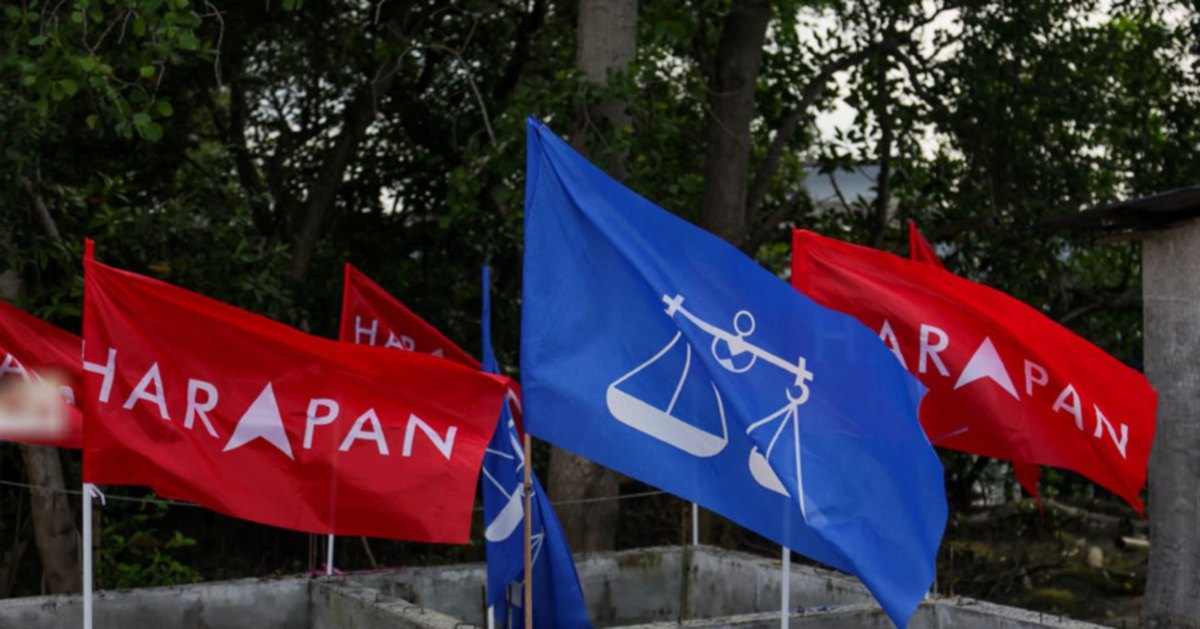
The top leadership of Pakatan Harapan gathered for internal discussions yesterday as the opposition coalition continues to navigate complex negotiations with Barisan Nasional regarding seat distribution for potential electoral contests. Datuk Seri Fahmi Fadzil, who serves as the public communications liaison for the PH coalition, publicly acknowledged that Datuk Seri Amirudin Shari, the coalition's chief election strategist, had met with Datuk Seri Anwar Ibrahim, the coalition chairman, to address matters concerning their coalition arrangement.
The meeting represents the latest round of consultations within PH's leadership structure as the coalition seeks to coordinate its approach to ongoing discussions with the BN-led government. These internal deliberations have taken on particular significance given the political landscape in Malaysia, where coalition management and seat division remain among the most contentious issues in determining electoral viability. The nature and scope of discussions between Amirudin and Anwar remain partly shielded from public view, though their convening signals active engagement on critical strategic matters.
Pakatan Harapan has been managing an increasingly complex political ecosystem involving multiple stakeholders and partner parties, each with their own constituencies and electoral aspirations. The role of Amirudin as election director places him at the centre of these intricate negotiations, requiring him to balance the interests of PH's constituent parties while simultaneously engaging with BN on potential electoral arrangements. His meeting with Anwar underscores the hierarchical nature of decision-making within the coalition, where the chairman's oversight remains essential for major strategic pivots.
The timing of these talks arrives against a backdrop of broader political positioning in Malaysia, where the distinction between cooperation and competition among major political blocs has become increasingly blurred. Barisan Nasional, as the incumbent governing coalition, brings its own structural advantages and demands to the negotiating table, while Pakatan Harapan must carefully evaluate which constituencies and regions present the most viable pathways to electoral gains. These seat allocation discussions are therefore not merely administrative exercises but represent fundamental calculations about parliamentary representation and governmental formation.
For Malaysian voters and observers tracking political developments, these high-level meetings carry implications beyond the immediate negotiating parties. The outcomes of PH-BN seat negotiations will reshape the electoral battlefield across the country, affecting everything from campaign resource allocation to the viability of opposition candidates in previously competitive districts. The nature of any eventual agreement may also influence the political leverage each coalition holds during and after elections.
Amirudin's electoral director position has evolved into a particularly demanding role given Malaysia's multi-party landscape and the persistence of coalition politics. Unlike single-party systems where seat distribution is internally determined, Malaysia's coalition arrangements require constant mediation and consensus-building among parties with distinct organisational structures, ethnic bases, and policy orientations. His responsibility extends beyond mere logistical planning to encompass diplomatic negotiation with both internal coalition partners and external political competitors.
The confirmation by Fahmi regarding this meeting also reflects the PH coalition's approach to transparency and internal communication. By publicly acknowledging that such discussions are occurring, the coalition leadership provides some accounting of its activities while avoiding detailed disclosure of negotiating positions or specific seat distributions under consideration. This carefully calibrated openness serves multiple purposes: it demonstrates active engagement in political planning, projects an image of competent leadership, and maintains strategic ambiguity that prevents premature hardening of negotiating positions.
From a Malaysian political perspective, the involvement of Anwar Ibrahim in these discussions reinforces his position as the supreme decision-maker within PH, a role that carries both political significance and symbolic weight. While Amirudin commands technical expertise in election management and strategic planning, Anwar's personal oversight of key meetings ensures alignment with the broader coalition vision and maintains the authority necessary to bind coalition partners to eventual agreements. This tiered leadership structure, with operational managers reporting to political principals, represents a common pattern in Malaysian coalition politics.
The broader context of these negotiations involves Malaysia's constitutional framework and electoral system, where single-member constituency contests and first-past-the-post mechanisms create winner-take-all dynamics that make seat allocation decisions extraordinarily consequential. A single seat shifted between coalition partners or allocated to BN rather than PH could determine the composition of the next parliament and the formation of government. These calculations explain why such meetings command attention from political observers and why both coalitions invest substantial diplomatic capital in negotiating arrangements.
Looking forward, the success or failure of PH-BN negotiations could reshape Malaysian politics substantially. If the coalitions reach a comprehensive agreement that prevents three-way contests and eliminates vote-splitting scenarios, the resulting electoral environment would differ markedly from previous multiparty competitions. Conversely, if negotiations collapse or produce partial agreements, the resulting fragmented electoral landscape could enable smaller parties to play kingmaker roles or create unexpected electoral outcomes.
The confirmation of Amirudin's meeting with Anwar therefore represents not merely a procedural update but a signal that Malaysia's major political coalitions continue actively positioning themselves for whatever electoral circumstance emerges. These leadership-level discussions will likely continue as both PH and BN refine their strategies, calculate their advantages, and seek to maximise their respective electoral positions across Malaysia's diverse constituencies and regions.

