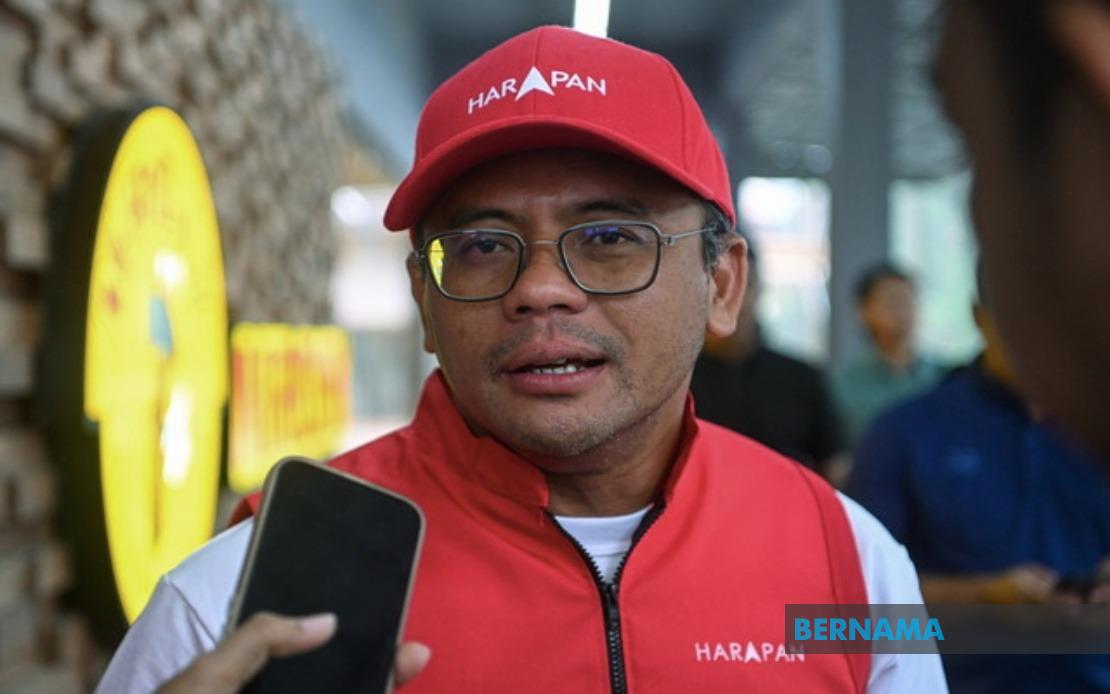
Datuk Seri Amirudin Shari, the election director for Pakatan Harapan, has made a direct appeal to Negeri Sembilan voters to participate in the upcoming state election on August 1, stressing the importance of fulfilling their democratic obligations. Speaking in Port Dickson following a campaign walkabout with PH's Linggi candidate and state Menteri Besar Datuk Seri Aminuddin Harun, Amirudin framed voter participation as a fundamental civic responsibility that will shape the direction of the state's governance in the years ahead.
The Selangor Menteri Besar highlighted a logistical advantage that Negeri Sembilan voters possess compared to their counterparts in other states. Unlike Johor, where the geographical spread of constituencies requires many voters to undertake lengthy journeys to reach polling stations, Negeri Sembilan's voter base predominantly comprises workers employed in the Klang Valley region. This employment pattern means that most eligible voters can conveniently return to their home constituencies without facing the significant travel burdens that characterise elections in more geographically dispersed states, potentially facilitating higher turnout rates.
Amirudin's appeal carries particular weight given the weather forecast for the election period. He acknowledged the unpredictable meteorological conditions expected during the polling day, which could present obstacles to voters who might otherwise postpone their civic participation. His message essentially prioritised voting despite potential rain or other weather complications, positioning the act of voting as sufficiently important to warrant travel regardless of climatic challenges. This framing reflects broader concerns within political parties about maintaining voter engagement when external factors might discourage participation.
The campaign event in Pekan Linggi underscore PH's push to galvanise support in the Linggi constituency, a key battleground in the state election. The presence of Aminuddin Harun alongside Amirudin demonstrated the party's efforts to project unified leadership and confidence in their electoral prospects. The walkabout format itself represents a traditional campaigning approach designed to foster direct connection with voters and generate grassroots momentum in the final days before polling.
The scale of the electoral engagement in Negeri Sembilan is substantial, with 889,490 eligible voters registered to participate. This voter roll comprises three distinct categories reflecting Malaysia's diverse electoral composition: 867,151 ordinary civilian voters form the bulk of the electorate, while 16,884 military personnel and their spouses represent the defence force constituency, and 5,455 police personnel constitute the law enforcement voter segment. This disaggregated structure highlights how Malaysia's election administration accommodates various occupational and institutional categories within its voting framework.
Beyond the election director's exhortation, PH has organised a 'Munajat Perdana', a special prayer gathering scheduled for the night of July 30, shortly before polling day. Prime Minister Datuk Seri Anwar Ibrahim is expected to attend this event, underscoring the national-level significance that the coalition attaches to the Negeri Sembilan outcome. Such prayer gatherings serve multiple functions within Malaysian political culture, simultaneously allowing parties to demonstrate spiritual consciousness, create media visibility, and mobilise the party faithful through collective prayer and fellowship during critical electoral moments.
The timing of early voting on Tuesday provides flexibility for voters unable to participate on the main election day. This early voting window, a feature of recent Malaysian electoral practice, recognises that some voters—particularly those with work commitments, health considerations, or travel obligations—require alternative voting arrangements to exercise their franchise. The availability of early voting potentially expands the practical opportunities for participation beyond a single day.
For Malaysian observers, the Negeri Sembilan election carries broader implications beyond the state level. As a state where Pakatan Harapan currently holds the executive position through Aminuddin Harun's tenure as Menteri Besar, the electoral outcome will signal the coalition's organisational strength and public support in a crucial corridor between the federal capital and the southern industrial zone. The result could provide indicators about voter sentiment across the Klang Valley–Negeri Sembilan region, an economically important area housing significant portions of the country's manufacturing and services sectors.
The message from Amirudin reflects PH's confidence in its ground organisation and voter support, while simultaneously acknowledging the logistical realities and challenges that influence electoral participation. By framing voting as both a duty and an achievable action—emphasising that Negeri Sembilan voters have fewer geographical barriers compared to other states—the party attempts to overcome potential apathy or discouragement. The direct appeal to civic responsibility taps into both patriotic sentiment and practical acknowledgment of voter capability, creating a multi-layered incentive structure for participation that transcends simple partisan messaging.

