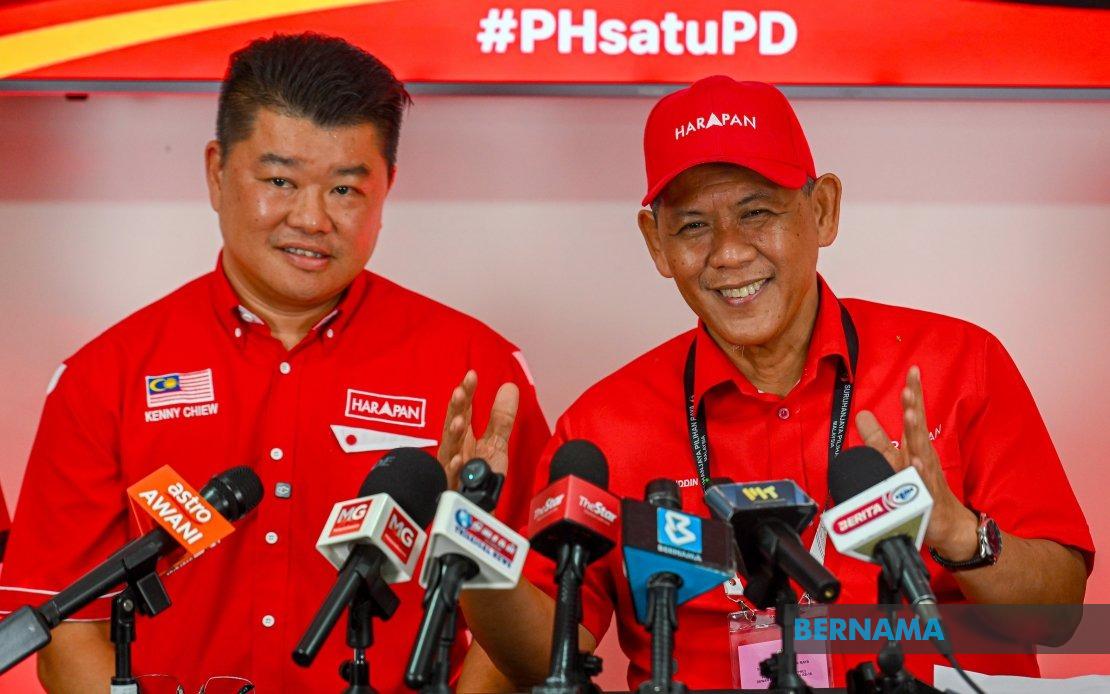
Negeri Sembilan Menteri Besar Datuk Seri Aminuddin Harun has called for a return to responsible electoral conduct, urging all political contenders in the 16th Negeri Sembilan State Election to conduct themselves with integrity and strict adherence to election laws. Speaking while campaigning for his Linggi state seat as the Pakatan Harapan candidate, Aminuddin emphasised that destructive behaviour such as burning or damaging campaign materials has no place in a sophisticated democracy, signalling his concern over the calibre of campaigning since nominations opened.
The appeal comes against a backdrop of escalating incidents of campaign material vandalism reported across several constituencies in the state. The Pakatan Harapan coalition's main operations centre has documented multiple cases of deliberate damage to party symbols and infrastructure during the second day of the formal campaign period. These incidents underscore growing tensions between rival political camps as polling day approaches, and they highlight the challenges facing election administrators in maintaining order and decorum throughout the electoral process.
Vandalism cases have been particularly pronounced in constituencies representing different regions of Negeri Sembilan. The Palong constituency witnessed the burning of party flags, an act of symbolic significance given the emotional resonance of such materials in Malaysian political culture. In the Chembong constituency, campaign flagpoles have been deliberately damaged, suggesting a coordinated or at least recurring pattern of interference with campaign infrastructure. These incidents represent not merely property damage but also attempts to intimidate candidates and suppress visible political expression.
The Negeri Sembilan Police Chief Datuk Alzafny Ahmad confirmed that law enforcement authorities have already begun investigations into these matters. Police received formal reports regarding vandalism in Jempol, while separate inquiries into the Chembong incident continue. The involvement of police suggests that authorities are treating these cases seriously and may pursue charges under relevant laws governing electoral conduct and criminal damage to property. This response is significant for establishing whether perpetrators will face consequences and whether legal enforcement will deter further misconduct.
Aminuddin's intervention carries particular weight given his dual role as both Menteri Besar and an active candidate. His position allows him to speak to broader governance and democratic standards while simultaneously campaigning, lending his remarks an authority that transcends partisan politics. By framing the issue around civilised democracy and respect for rules, he has attempted to elevate the conversation above individual party interests, appealing instead to shared values about how Malaysians should conduct themselves during elections.
The timing of these incidents, occurring just days after the Negeri Sembilan State Legislative Assembly was dissolved on June 5, suggests that campaign passions are intensifying as the election cycle progresses. With early voting scheduled for July 28 and general polling day set for August 1, the compressed timeframe concentrates political activity and voter engagement. This compressed schedule may contribute to heightened emotions and competition between parties seeking to secure voter attention in a relatively short window.
For Malaysian readers and Southeast Asian observers, the Negeri Sembilan election serves as a bellwether for the health of electoral democracy in Malaysia. Incidents of campaign vandalism and the pattern of electoral misconduct raise questions about whether Malaysia's democratic institutions can maintain order and civility as political competition intensifies. The responses from political leaders, law enforcement, and voters themselves will shape perceptions of electoral legitimacy and social cohesion following the August 1 polls.
The intersection of election law enforcement and political culture remains a challenging arena across the region. While Malaysia possesses sophisticated legal frameworks governing electoral conduct, the effectiveness of these rules depends on consistent application and societal commitment to respecting them. Aminuddin's appeal essentially calls on all parties to exercise restraint and prioritise the integrity of the electoral process above short-term tactical advantages. This represents a plea for what political scientists term "constitutional patriotism"—a commitment to democratic rules even when they constrain one's preferred outcomes.
The incidents also reflect broader tensions within Malaysian politics regarding the boundaries of acceptable campaign behaviour. Traditional forms of political expression—distributing leaflets, erecting signage, organising rallies—remain central to electoral campaigns, yet they also create opportunities for confrontation and vandalism. Political parties must weigh the value of visible campaign infrastructure against the risks of attracting hostile actions from opponents' supporters.
Aminuddin's statement carries implications beyond Negeri Sembilan's state politics, sending a message to political actors across Malaysia about expected standards of conduct. At a time when electoral politics in multiple states faces scrutiny, a senior Pakatan Harapan figure calling for ethical behaviour may influence how both government and opposition parties approach the August 1 election and future contests. The willingness of political leaders to publicly condemn their own supporters' misconduct, should such occur, will ultimately determine whether such appeals translate into changed behaviour.
For the 16th Negeri Sembilan State Election to strengthen rather than undermine public confidence in democratic processes, all parties must heed Aminuddin's message. The task now falls to party leaderships at all levels to reinforce these principles among their campaigning teams and supporters, ensuring that electoral competition remains vigorous but respectful. The Election Commission's oversight and police enforcement will provide important safeguards, but the ultimate responsibility for maintaining campaign decorum rests with the political parties themselves and the voters who judge their conduct.

