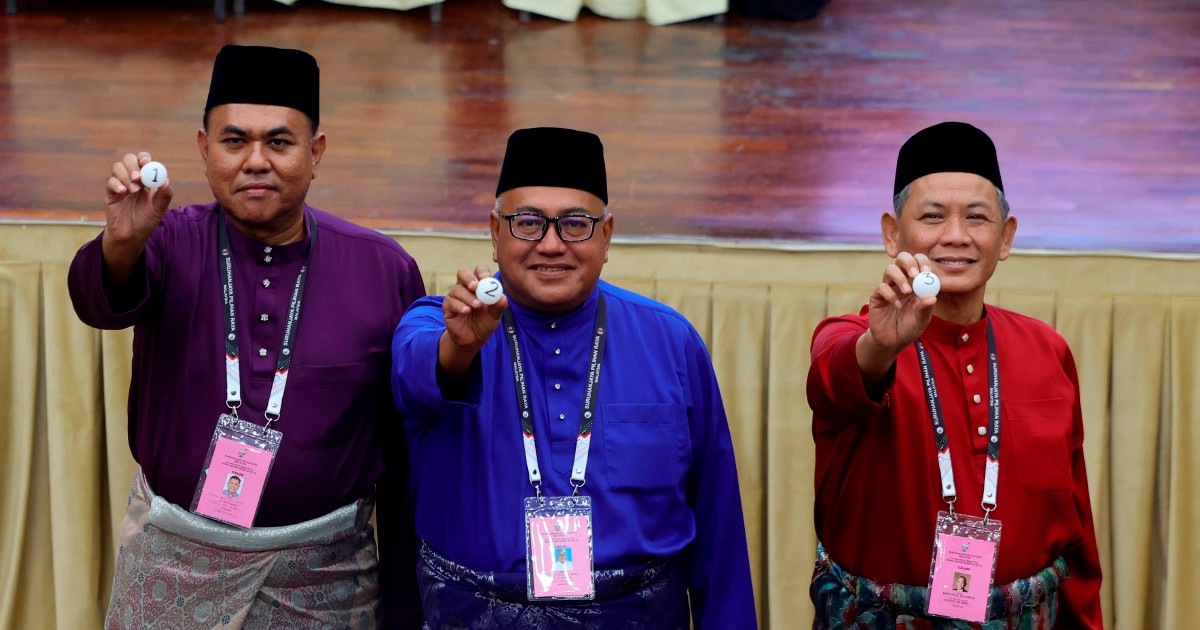
The race for Negri Sembilan's top position is shaping up to be far more competitive than recent electoral patterns might suggest. Caretaker Menteri Besar Datuk Seri Aminuddin Harun, speaking in Port Dickson, candidly assessed his chances of retaining the Linggi seat as a genuine toss-up, with his prospects hovering at the 50-50 mark. The frank admission signals that even in constituencies that have traditionally favoured Barisan Nasional, the political ground has shifted enough to make the outcome uncertain.
The Linggi seat has long been considered BN territory, yet Aminuddin's cautious confidence reflects the broader volatility affecting Malaysia's political landscape. State elections have become increasingly unpredictable, with voter sentiment capable of swinging sharply between election cycles. The willingness of an incumbent Menteri Besar to publicly acknowledge such competitive pressures speaks to genuine competitive threats he faces, rather than mere political posturing for extra campaign effort.
Negri Sembilan's electoral dynamics have undergone transformation in recent years. The state, traditionally viewed as a safe haven for the ruling coalition, has experienced shifting demographics and evolving voter priorities that now make comfortable victories harder to achieve. Aminuddin's assessment suggests his party strategists have identified serious challenges within the Linggi constituency itself, whether rooted in local grievances, opposition momentum, or factional pressures that could fragment the government vote.
The timing of these comments carries significance for how the broader Negri Sembilan campaign will unfold. When top candidates openly concede that their seats are genuinely competitive, it often signals to political operatives that resources must be mobilised more aggressively than in previous cycles. The state election thus becomes not a coronation of continuity but a contested battleground where every vote matters and margins matter even more.
Linggi's competitive nature also reflects broader national trends affecting Barisan Nasional. Across multiple states and at federal level, constituencies once considered safe have become marginal. The coalition's performance in the most recent general election demonstrated that traditional voter loyalty can erode swiftly, particularly in suburban and semi-urban areas where rapid development and demographic change have created new voting blocs with distinct priorities.
For Malaysian voters in Negri Sembilan, Aminuddin's candid assessment carries practical implications. A genuinely contested Menteri Besar race typically translates into more intensive constituency-level engagement from candidates and party machinery, potentially bringing greater attention to local issues and concerns. Whether on infrastructure development, education services, or economic opportunities, competitive elections often force political actors to sharpen their policy proposals and responsiveness to voter demands.
The opposition's apparent strength in Linggi, implied by Aminuddin's assessment, also reflects the regional political context. Negri Sembilan neighbours Selangor, where Pakatan Rakyat has consolidated control, and sits within the broader Klang Valley metropolitan ecosystem where opposition parties have established stronger organisational presence. These geographic and structural factors create natural conduits through which opposition strength in adjacent areas can translate into competitive challenges in Negri Sembilan constituencies.
Aminuddin's track record as Menteri Besar will invariably feature prominently in campaign narratives from both sides. Voters will weigh his governance record against opposition alternatives, and the tightness of his own seat contest suggests that this evaluation remains genuinely open. His willingness to acknowledge uncertainty may also reflect calculations about voter sentiment on key state issues—potentially land management, water supply concerns, or economic development initiatives that have generated feedback from constituents.
The 50-50 assessment carries additional meaning in the context of BN's internal dynamics. Negri Sembilan's political makeup involves multiple BN component parties, and internal distribution of seats and influence frequently generates tensions. Aminuddin's competitive position in Linggi may reflect broader internal BN pressures, where factional considerations or tensions between partner parties could impact vote distribution and campaign resources flowing to different constituencies.
From a regional perspective, Negri Sembilan's election outcome matters beyond state boundaries. As one of Malaysia's smaller states by population, it punches above its weight in national political calculations. The result will signal broader trends affecting Malaysia's political trajectory and may provide early indicators of voter sentiment ahead of potential future general elections. An unexpectedly strong opposition performance or squeezed BN majority in Negri Sembilan could reverberate through national political discourse.
Aminuddin's realistic appraisal also demonstrates the transparency increasingly expected of political leaders regarding electoral prospects. Rather than projecting confident victory that voters might view as disconnected from ground realities, his candid acknowledgement of a competitive race establishes credibility and suggests serious engagement with legitimate political competition.
Looking forward, the Linggi race encapsulates the broader Negri Sembilan contest. Once assumed to be safely governed by BN, the state now requires genuine political effort to retain control. Aminuddin's words signal that the campaign ahead will demand genuine engagement with voters and serious policy differentiation rather than reliance on institutional incumbency.

