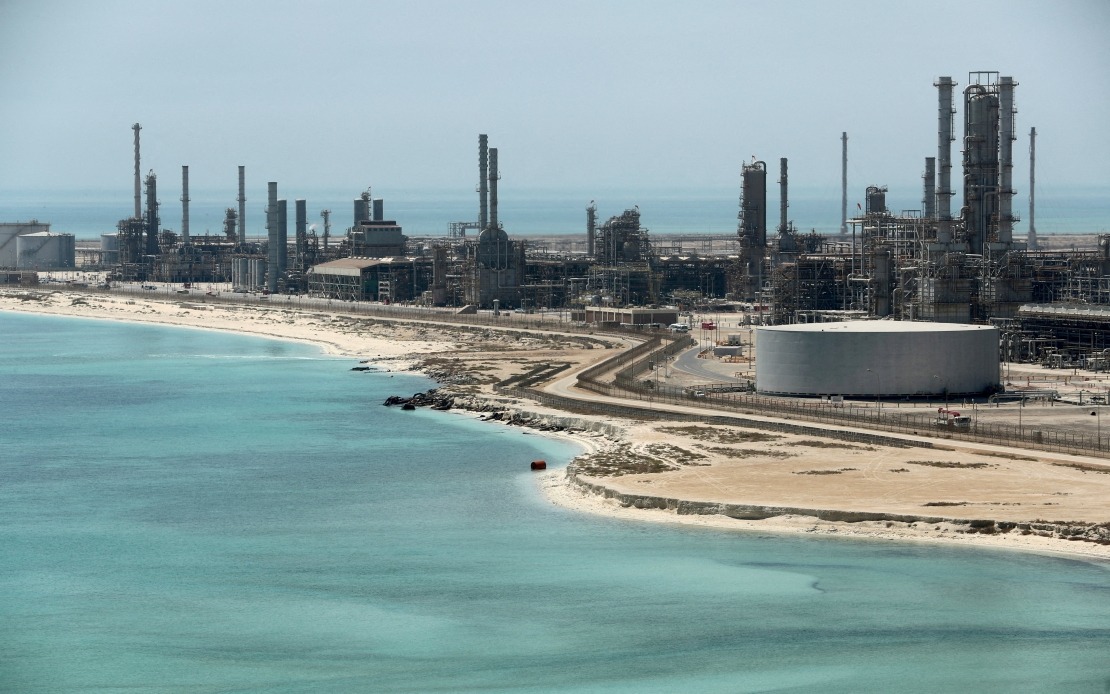
A catastrophic helicopter accident at Saudi Arabia's crucial Ras Tanura refining facility has claimed the lives of fourteen people, marking a significant tragedy for the kingdom's oil and gas sector. The aircraft operated by Saudi Aramco went down at approximately 6 am local time on Sunday, according to an announcement by Saudi Arabia's Ministry of Energy relayed through the official Saudi Press Agency. The complete loss of life aboard has prompted the mobilisation of investigative teams to determine what led to the disaster.
The victims were all Saudi nationals, representing a substantial loss to the kingdom's energy workforce. Their deaths underscore the inherent risks associated with helicopter operations in the oil and gas industry, where such aircraft serve critical functions in transporting personnel across vast facilities and between offshore and onshore installations. The incident has triggered expressions of official mourning, with the Ministry of Energy conveying deep condolences to the families affected by this tragedy and invoking religious sentiments in acknowledgement of their loss.
Ras Tanura occupies a pivotal position within Saudi Arabia's energy infrastructure as one of the nation's primary oil refining and export terminals. Located on the kingdom's eastern coast bordering the Persian Gulf, the facility processes crude oil and handles the movement of petroleum products destined for global markets. The strategic importance of this location means that any significant incident there draws immediate attention from government authorities and international energy observers concerned with global oil supply stability.
The investigation into the crash will likely examine multiple potential factors including weather conditions at the time of the accident, mechanical failures, maintenance records, pilot performance, and operational procedures. Saudi authorities have indicated their commitment to conducting a thorough examination to establish the precise cause. Such investigations typically involve technical specialists, aviation experts, and engineers who scrutinise wreckage, flight data, and operational records to reconstruct the sequence of events leading to the disaster.
For the broader Southeast Asian region and Malaysia specifically, incidents involving major oil and gas infrastructure operators warrant attention due to the interconnected nature of global energy markets and supply chains. Saudi Aramco's operations directly influence crude oil prices that impact fuel costs throughout Asia, including Malaysia where petroleum remains central to the economy and national revenue. Any disruption to Saudi refining capacity or personnel affects regional energy security and downstream costs.
The helicopter operations that Saudi Aramco conducts are essential to maintaining the kingdom's oil production and export capacity. These aircraft typically support activities including personnel transport between onshore facilities and offshore platforms, emergency response operations, and logistics support across the vast energy infrastructure. The loss of a single aircraft and experienced crew represents both an immediate tragedy and a potential constraint on operational efficiency in the critical weeks following the accident.
Maintenance and safety protocols in the aviation sector, particularly in high-risk environments like oil facilities, represent ongoing operational challenges that affect companies across the global energy industry. Regulatory bodies in Saudi Arabia and internationally continue to refine standards governing helicopter operations in hazardous settings, seeking to balance operational necessity with personnel safety. This incident will likely prompt comprehensive reviews of such procedures across the sector.
The timing and location of this accident at one of the world's most important oil export terminals underscores the vulnerability of energy infrastructure to sudden disruption. While the immediate impact on global oil supplies may be limited, the loss of personnel with expertise in managing complex refining operations at Ras Tanura could have longer-term implications for operational continuity. Training replacement staff and maintaining institutional knowledge represent significant challenges for any energy company experiencing such losses.
For Malaysia and neighbouring countries that depend on crude oil imports and maintain their own helicopter operations supporting maritime industries, this tragedy serves as a stark reminder of the dangers inherent in aviation operations in demanding environments. Malaysian offshore oil and gas operations similarly rely on helicopter transport, making incidents abroad relevant to domestic safety culture and regulatory considerations. The investigation outcomes may yield insights applicable across the region's energy sector.
Saudi Aramco, as one of the world's largest oil producers and a company with significant global influence, will face heightened scrutiny regarding its safety practices and investigation processes. The company's responses to this tragedy will be monitored closely by investors, regulators, and industry peers. Transparent communication about findings and preventive measures implemented will be essential for maintaining confidence in the operator's competence and commitment to personnel safety.
The broader implications of this accident extend beyond the immediate tragedy to encompass questions about workforce development, training standards, and the sustainability of operations in demanding environments. The energy sector across the Gulf region and beyond employs thousands of personnel in high-risk roles, and incidents such as this prompt reflection on whether adequate safeguards and support systems are in place. For Malaysia, which maintains significant interests in regional energy security and hosts its own petroleum operations, these considerations remain perpetually relevant.

