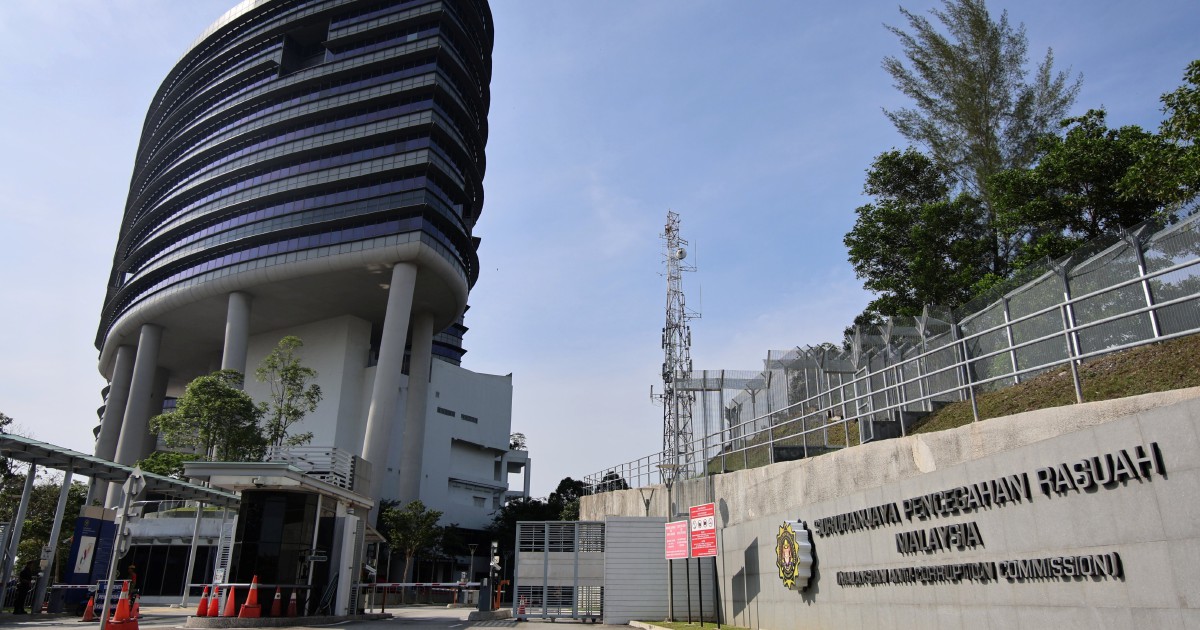
Datuk Azmi Ahmad, the group managing director and group chief executive officer of Alam Maritim Resources Bhd, has been released from Malaysian Anti-Corruption Commission (MACC) custody following his remand period. The release represents a key juncture in what appears to be an extended investigation into the maritime services company's operations.
The MACC had previously detained Ahmad, signalling that authorities were examining conduct at the helm of the company, which operates across Malaysia's offshore and maritime sectors. While the specific allegations or scope of the investigation remain undisclosed in official statements, the decision to remand and subsequently release the executive indicates investigators have gathered sufficient preliminary information or obtained necessary witness testimony during the detention period.
Alam Maritim Resources Bhd operates as a significant player in Malaysia's maritime industry, providing specialized services integral to offshore operations. The company's operations intersect with Malaysia's broader energy infrastructure, making developments at its executive level matters of wider economic interest. The appointment and conduct of senior leaders in such strategically important firms often draw regulatory scrutiny, particularly as Malaysia intensifies efforts to strengthen corporate governance standards across key sectors.
The MACC's involvement underscores the regulatory environment governing corporate leadership in Malaysia. As the country's primary anti-corruption enforcement body, the commission has steadily expanded its investigative reach across both public and private enterprises. The detention of a group chief executive, even temporarily, signals the seriousness with which authorities approach allegations affecting major commercial entities and their management accountability.
For stakeholders in Alam Maritim Resources—including shareholders, business partners, and clients—the executive's release may ease immediate concerns about operational continuity, though questions about the investigation's trajectory and potential outcomes remain. Listed companies facing regulatory investigations typically experience volatility in investor confidence, and the maritime sector's sensitivity to operational leadership makes Ahmad's status particularly relevant to market perception.
The investigation's implications extend beyond the individual executive to broader questions about compliance frameworks within Malaysia's maritime services industry. As the nation seeks to maintain competitiveness in offshore services and uphold international standards, regulatory actions targeting senior management send important signals about expectations for corporate conduct. The MACC's investigative approach reflects a wider policy commitment to root out corruption and enhance transparency across sectors fundamental to Malaysia's economic resilience.
While remand release does not constitute case closure or exoneration, it typically indicates that immediate investigative objectives have been met or that continuing detention is no longer deemed necessary by authorities. This distinction is important for understanding the investigation's probable direction—whether it remains preliminary, has advanced to substantive evaluation, or approaches a potential charging decision. The timing and conditions of release often reflect prosecutorial strategy and assessed flight risk or evidence-tampering concerns.
Industry observers note that leadership transitions, whether voluntary or enforced by investigation outcomes, can create uncertainty in companies dependent on experienced management continuity. Alam Maritim's operational commitments and client relationships depend substantially on executive stability and confidence in leadership judgment. The maritime sector, which demands rapid decision-making and technical expertise, is particularly vulnerable to disruptions stemming from top-level instability.
The broader context involves Malaysia's regulatory framework increasingly demanding accountability from corporate executives. Recent years have witnessed the MACC pursuing high-profile investigations across the corporate landscape, signalling enforcement commitment that extends from state institutions to private enterprise. This environment necessitates heightened governance standards and transparency expectations among Malaysian business leaders, particularly those directing companies with significant public sector involvement or strategic importance.
Looking forward, the investigation's trajectory will likely influence corporate governance practices across Malaysia's maritime and offshore services industries. Whether the inquiry concludes with formal charges, administrative remedies, or case closure, it will contribute to evolving understandings of acceptable conduct standards for company leadership. For Alam Maritim specifically, clarity on the investigation's outcome remains essential for restoring full operational confidence and shareholder assurance.
The release of Datuk Azmi Ahmad from MACC custody represents a procedural milestone rather than substantive resolution. Industry participants and investors will continue monitoring official announcements regarding investigation progress, potential charges, or disciplinary outcomes. The incident illustrates the dynamic nature of Malaysia's anti-corruption enforcement and the heightened accountability standards now expected of corporate leadership directing significant commercial enterprises.

