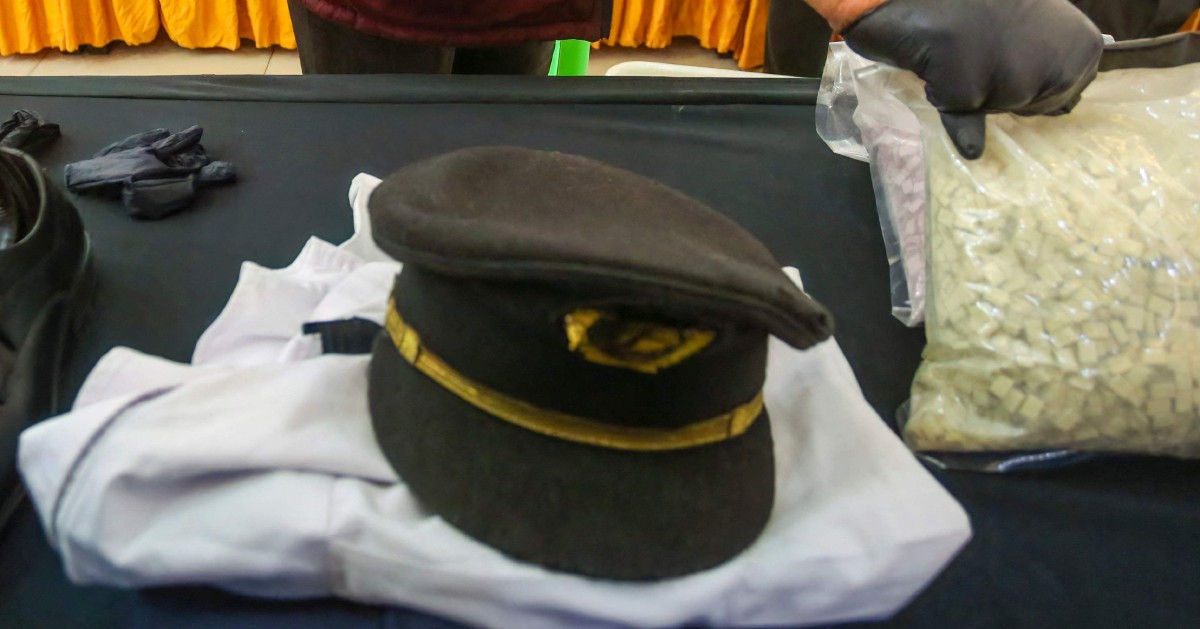
Authorities in Malaysia have zeroed in on an airport worker as investigators move deeper into their examination of how a Malaysia Airlines pilot allegedly transported narcotics through security screening at Kuala Lumpur International Airport. The individual, who works at the nation's primary aviation hub, has been flagged as a significant person of interest in the case, marking a notable development in police inquiries that have raised serious questions about border security protocols at one of Southeast Asia's busiest transportation hubs.
The focus on the airport employee represents a potential breakthrough in understanding the operational mechanics of how prohibited substances may have evaded detection systems designed to protect air traffic. The fact that the suspect falls within his 30s suggests a mid-career worker with established operational knowledge of airport procedures and security checkpoints. This development carries substantial implications for how Malaysia's aviation authorities assess vulnerabilities in their screening infrastructure and personnel oversight.
The Malaysia Airlines pilot at the centre of the investigation remains central to the probe, though the emergence of the airport worker indicates that authorities believe this may not be an isolated incident of individual negligence. Instead, investigators appear to be exploring whether systemic weaknesses or potential collaboration between personnel created conditions permitting contraband to pass through multiple layers of airport security. Such coordination would suggest a more deliberate circumvention of protocols rather than mere chance.
Kuala Lumpur International Airport, which handles over 60 million passengers annually and serves as a critical hub for regional and international aviation networks, has long maintained substantial security infrastructure. The airport operates multiple screening stations, advanced detection equipment, and coordinated security protocols designed to prevent precisely such breaches. That controlled substances allegedly passed through these mechanisms has triggered urgent internal reviews and heightened scrutiny of personnel access and monitoring systems.
The investigation touches on broader concerns about aviation security across Southeast Asia, where airports face constant pressure to balance passenger convenience with stringent safety and law enforcement requirements. KLIA, as Malaysia's premier international gateway, operates under intensive international oversight from bodies monitoring compliance with International Civil Aviation Organization standards. Any security lapses carry reputational consequences for both the airport operator and the nation's standing within global aviation networks.
Personnel screening and background checks at international airports represent critical security layers that protect both passengers and national interests. An investigation pointing toward employee involvement suggests authorities are examining whether vetting procedures remained sufficiently rigorous, whether training and awareness programs adequately addressed contraband risks, and whether internal monitoring systems detected unusual activities or patterns. These questions will likely prompt comprehensive reviews of personnel management protocols across Malaysian airports.
The Malaysia Airlines connection adds particular weight to the inquiry, given the carrier's prominence within Malaysian aviation and its position as a flagship national institution. Any security compromise involving airline personnel or aircraft represents a serious concern for both operational safety and the airline's reputation. Airlines maintain their own security divisions and coordinate extensively with airport authorities, making this partnership critical to investigation outcomes.
Investigators will likely pursue multiple investigative threads, including financial records, communications between the pilot and airport worker, historical security footage, and testimony from individuals with knowledge of airport operations and security procedures. Understanding how the alleged transportation occurred—whether through deliberate bypass of screening equipment, unauthorized routing of luggage, falsified documentation, or other means—remains fundamental to establishing culpability and preventing future incidents.
The case underscores the ongoing challenge that security agencies across Malaysia and the broader Southeast Asian region face in combating drug trafficking networks. Trafficking organizations continuously seek to identify vulnerabilities at ports of entry, transportation hubs, and within personnel systems. Corruption remains a known risk factor at airports worldwide, making this investigation particularly significant as authorities work to maintain public confidence in aviation security infrastructure.
This development will likely trigger internal security audits across all Malaysian airports and a review of personnel vetting procedures, particularly for individuals with access to secured areas and passenger baggage handling zones. Enhanced monitoring protocols, routine security refresher training, and potential disciplinary action against identified personnel are expected outcomes. The investigation may also prompt coordination between airport authorities, customs officials, and law enforcement agencies to strengthen inter-agency communication regarding security vulnerabilities.
The case represents a significant test of Malaysia's institutional capacity to investigate complex security breaches involving both civilian aviation and narcotics trafficking. How thoroughly authorities pursue the investigation and implement preventive measures will influence public perception of border security competence and the integrity of Malaysia's aviation system. Regional observers will monitor the case closely as it develops, given implications for aviation security standards throughout Southeast Asia.

