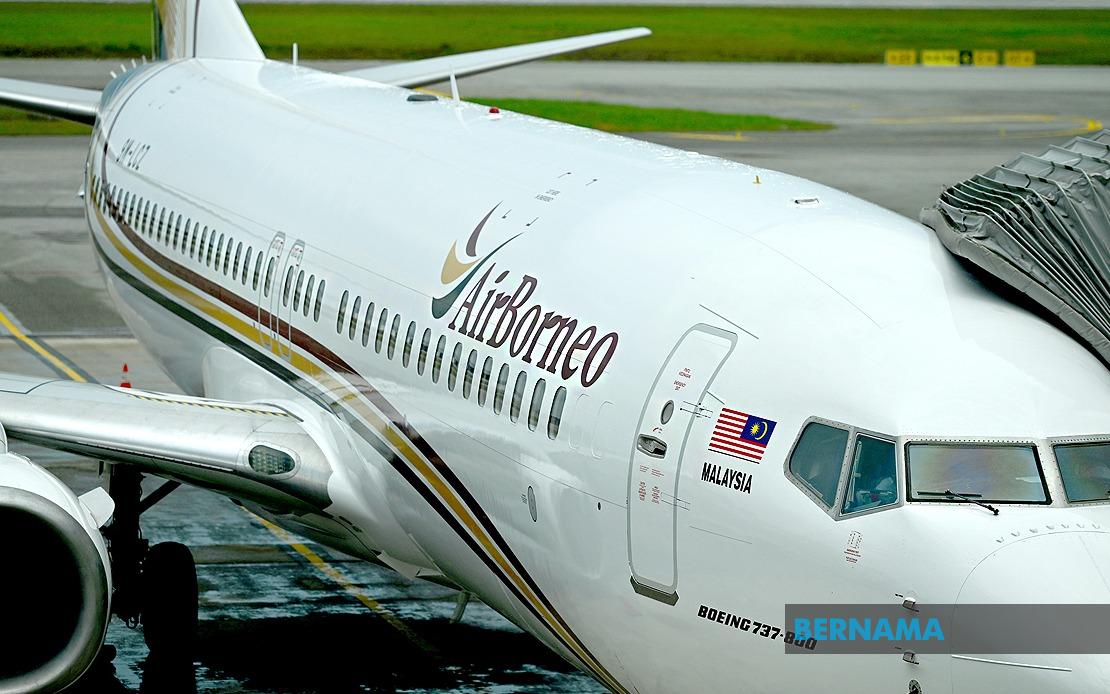
AirBorneo has offered its apologies to travellers who experienced delays on Flight MY5004 from Kuala Lumpur to Kuching on July 20, with the Sarawak-based carrier attributing the disruption to technical complications that required attention before departure.
The airline emphasised that ensuring passenger safety remains its foremost operational concern, underscoring how maintenance protocols sometimes necessitate schedule adjustments rather than compromising on critical standards. Once ground crews had resolved the technical matter, the aircraft successfully departed at 7.30 pm, allowing the service to continue toward its destination.
Throughout the period when passengers remained grounded, AirBorneo personnel worked to minimise the impact on those affected by the disruption. The airline arranged for regular communication regarding the situation's status, a standard practice that helps reduce passenger anxiety during delays. Beyond information updates, the carrier supplied complimentary meals and beverages to those waiting, a gesture intended to offset some of the inconvenience associated with unplanned schedule changes.
For Malaysian travellers and regional passengers accustomed to air travel within Southeast Asia, flight delays remain an occasional reality, though the manner in which airlines respond during such incidents significantly shapes customer perceptions. AirBorneo's approach of providing amenities and maintaining transparent communication reflects broader industry standards that Malaysian carriers increasingly adopt to manage disruptions professionally and with consideration for passenger welfare.
The airline's statement acknowledged the wider inconvenience created by the delay, recognising that schedule disruptions affect not only immediate travel plans but also downstream connections, meetings, and personal arrangements. By expressing regret publicly and outlining the support measures taken, AirBorneo attempted to demonstrate accountability and organisational competence in crisis management, qualities that regional customers value when evaluating airline reliability.
AirBorneo reiterated its commitment to maintaining elevated safety benchmarks whilst simultaneously delivering dependable service across its network. This statement represents a delicate balance that aviation carriers must navigate—assuring passengers that safety protocols will not be rushed, whilst also conveying confidence in operational efficiency and on-time performance. For Sarawak residents and frequent flyers on East Malaysia routes, such reassurances carry particular weight, given the distances involved and the importance of air connectivity to the state's economic and social infrastructure.
The delay of Flight MY5004 occurred amid ongoing discussions within Malaysia's aviation sector regarding service standards, aircraft maintenance reliability, and passenger protections. Sarawak's growing population and economic development have increased demand for efficient air links to the peninsula, making carrier performance increasingly significant for the state's integration within Malaysia's broader transportation network. Technical delays, though sometimes unavoidable, underscore the importance of adequate maintenance scheduling and investment in fleet reliability.
For passengers affected by the disruption, AirBorneo extended gratitude for their patience and cooperative responses during the delay. This language acknowledges that traveller behaviour during such incidents directly influences how smoothly operations resume and how severely cascading delays affect subsequent services. Passengers who remain reasonably accommodated when faced with unavoidable delays help airlines maintain schedule integrity across their broader network.
The incident illustrates broader themes affecting regional aviation in Southeast Asia, where expanding passenger demand, ageing infrastructure at some facilities, and competition from multiple carriers create complex operational challenges. AirBorneo, as a regional carrier serving Sarawak and neighbouring territories, operates within constraints that larger Malaysian carriers may not face, yet must maintain comparable safety and service standards to compete effectively within the market.

