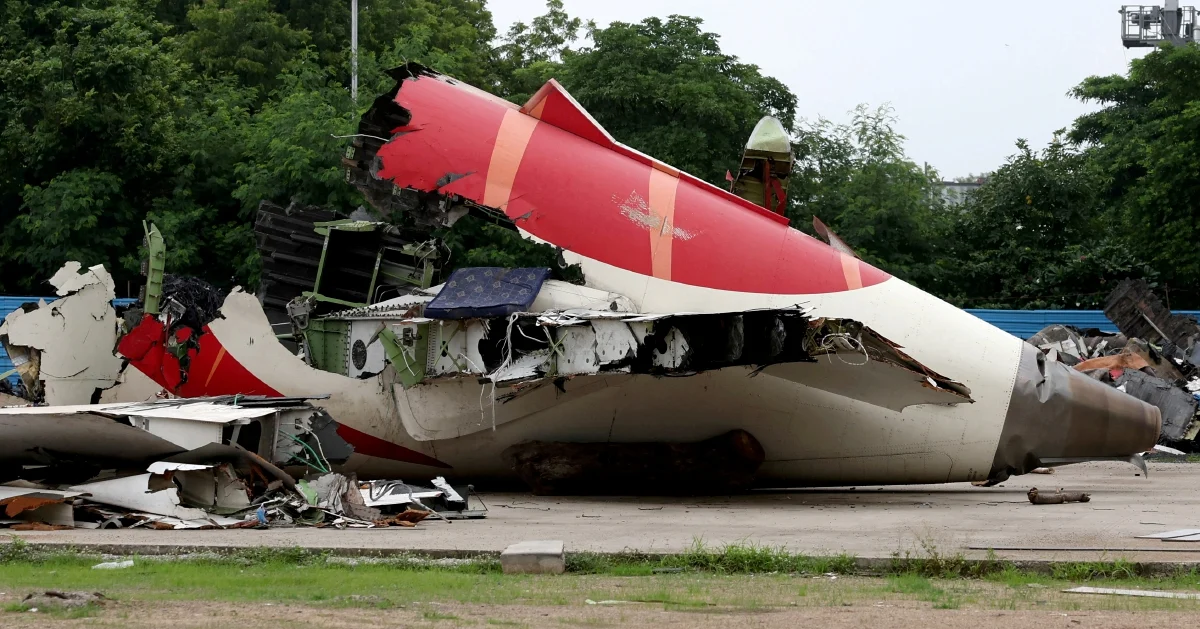
The investigation into last year's fatal Air India accident has progressed significantly, with India's aircraft accident investigating authorities now in the concluding phases of their comprehensive review. According to court filings made public, investigators have transcribed the cockpit voice recorder—a critical piece of evidence that captures all communications between crew members during the flight's final moments—and have also completed a psychological assessment of those involved, signalling that the probe is approaching its completion.
Cockpit voice recorder transcripts represent one of the most valuable investigative tools in aviation disasters, as they document crew interactions, decision-making processes, and any indicators of distress or unusual circumstances in the moments preceding an accident. The fact that Indian authorities have now completed this transcription suggests they have analysed the technical and human factors that may have contributed to the tragedy. This detailed examination of crew communications is essential for understanding how circumstances developed and what actions were taken or not taken during the critical phases of flight.
The psychological autopsy component of the investigation reflects the sophisticated approach modern aviation safety agencies adopt when examining accidents involving potential human factors. Rather than merely assigning blame, these assessments seek to understand the mental and emotional state, decision-making capacity, and professional judgment of crew members at the time of the incident. This psychological analysis can reveal whether fatigue, stress, medical conditions, or other mental health factors may have influenced crew performance or decisions that led to the accident.
For Malaysian aviation stakeholders and regional carriers, the outcome of this investigation holds significant implications. Malaysia's own aviation sector remains keenly interested in understanding the root causes of major accidents involving air carriers in the region, as findings often influence safety protocols, training requirements, and regulatory standards across Southeast Asia. The Air India case serves as a contemporary reference point for how accident investigations are conducted and how findings might shape future operational procedures across the industry.
The completion of these investigative components suggests that authorities are consolidating evidence and preparing their final accident report. In India's civil aviation regulatory framework, the final investigation report is typically made public and becomes a document of considerable importance for the entire global aviation community. Such reports often contain findings and safety recommendations that airlines worldwide, including those operating in Malaysia and across ASEAN, incorporate into their operations and training programmes.
The emphasis on both technical evidence and psychological assessment in this investigation reflects international best practices established by the International Civil Aviation Organisation (ICAO). The use of cockpit voice recorder data combined with psychological evaluation provides a multidimensional understanding of what occurred, moving beyond simplistic explanations toward a comprehensive picture of the accident sequence. This approach helps prevent similar accidents by identifying systemic issues, training gaps, or procedural weaknesses rather than merely focusing on individual culpability.
Court filings being used to document investigation progress indicates that the process has been subject to legal scrutiny, possibly involving family members of victims or other stakeholders seeking accountability and transparency. This judicial oversight ensures that investigations maintain rigorous standards and that findings withstand public and legal examination. For a region like Southeast Asia, where aviation safety remains a critical concern, such transparent and legally supervised investigation processes build public confidence in the aviation system's ability to learn from failures.
The timeline of this investigation—progressing through data collection, analysis, and now moving toward final conclusions—reflects the complexity involved in examining modern aircraft accidents. Commercial aviation disasters typically involve the interaction of multiple factors: technical failures, human performance, environmental conditions, maintenance issues, and organisational factors. Investigators must methodically examine each area before drawing conclusions.
For Malaysian travellers and the regional aviation industry, the implications of comprehensive accident investigations extend beyond the immediate case. The findings and recommendations typically inform industry-wide changes in training methodologies, aircraft maintenance protocols, crew resource management practices, and safety culture. Airlines across Malaysia and neighbouring countries often implement lessons learned from major accidents investigated by Indian, international, or regional authorities, recognising that aviation safety is a collective responsibility transcending national boundaries.
The advancement of this investigation to its final stages represents an important milestone in the pursuit of understanding what occurred and ensuring that lessons are properly documented and disseminated. As the probe concludes its technical and psychological analysis, the subsequent publication of findings will likely influence safety discussions throughout the aviation sector. For Malaysia's carriers and regulators, such investigations underscore the importance of maintaining rigorous safety standards, comprehensive training, and a culture where crew members feel empowered to make decisions prioritising passenger safety above all other considerations.

