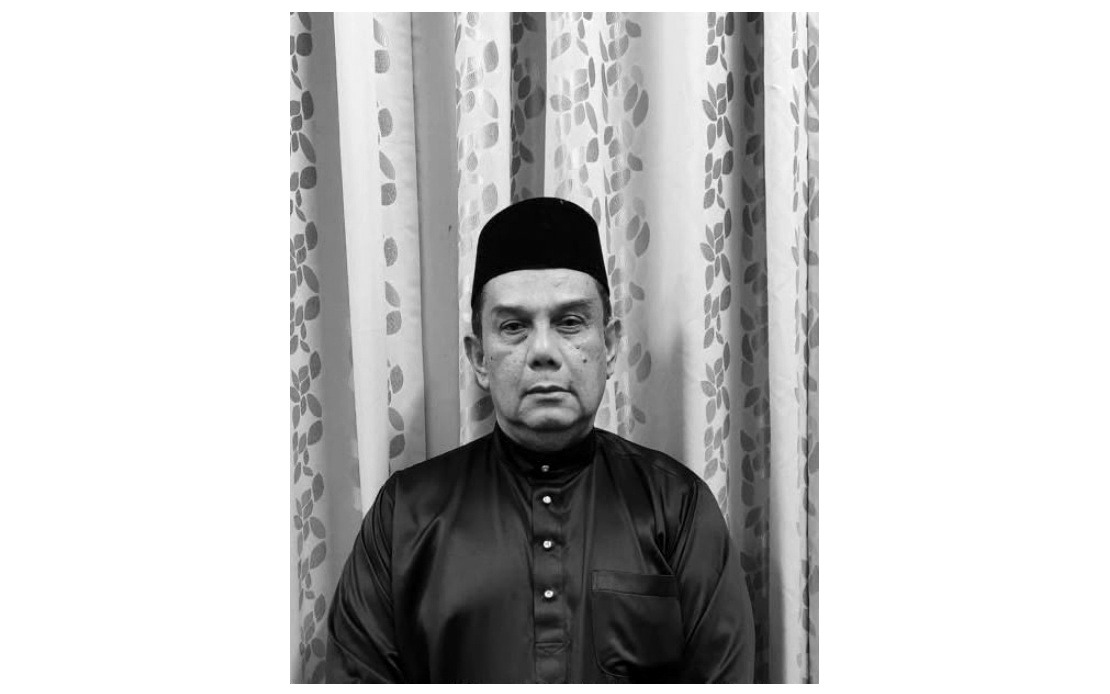
Datuk Jailani Harun, the longtime diplomatic officer to UMNO president Datuk Seri Dr Ahmad Zahid Hamidi, passed away this morning at Hospital Serdang in Kuala Lumpur. The 33-year-old confirmed the death through official channels, with the Office of Deputy Prime Minister issuing the announcement at 11.34 am. The passing of Harun represents a loss to the political establishment, where he had cultivated a career spanning journalism and high-level governmental advisory roles.
Harun's professional journey reflected the evolving nature of political communication in Malaysia. Beginning his career as a journalist, he later transitioned into diplomatic and advisory positions, ultimately becoming a trusted aide within Ahmad Zahid's inner circle at UMNO. This career trajectory, from media to politics, exemplifies how many Malaysian professionals navigate between the press and administrative sectors, bringing media acumen to political messaging and strategic communication.
The funeral arrangements have been coordinated swiftly, underscoring the institutional protocols that accompany the passing of prominent political figures. The body is scheduled to be taken to Al-Mubarakah Mosque in Taman Bukit Cheras for funeral rites, followed by interment at Alam Damai Cheras Cemetery after Asar prayers. The location choices reflect customary practice within the political establishment for honouring departing members of significance.
Communications Minister Datuk Fahmi Fadzil was among the first to publicly acknowledge the loss, issuing formal condolences through social media platforms. His statement invoked traditional Islamic prayers and expressions of sympathy, reflecting the solemn conventions observed across Malaysia's political landscape when key figures pass. The ministerial response demonstrates how even across different political offices, there remains a shared observance of respect for departed colleagues and their contributions to public service.
Harun's role as diplomatic officer positioned him at the intersection of UMNO's internal operations and its external relations. Such positions, though often operating behind the scenes, carry significant weight in shaping how party leadership communicates with stakeholders, manages information flows, and coordinates messaging strategies. The loss of someone with Harun's background in journalism meant the removal of a figure who understood both media dynamics and political objectives—a combination increasingly valued in contemporary Malaysian politics.
The sudden nature of Harun's death at a relatively young age has sparked quiet reflection within UMNO circles about the pressures and demands placed on senior political staff. Those serving in diplomatic and advisory capacities often manage multiple responsibilities simultaneously, from handling sensitive communications to representing party interests across various forums. The intensity of such roles can take unseen tolls on individuals navigating the competing demands of political life and personal well-being.
Harun's passing also highlights the broader institutional memory challenges that organisations face when key personnel depart unexpectedly. In politics, individuals who bridge journalism and governance often serve as custodians of institutional knowledge, understanding how to translate party positions into public narratives and how to navigate media landscapes effectively. The replacement of such expertise requires careful consideration and time.
For UMNO and Ahmad Zahid specifically, the loss represents a gap in the administrative apparatus that supports party leadership. Diplomatic officers function as essential intermediaries, handling both routine communications and high-stakes negotiations. The sudden absence of such a figure necessitates swift reorganisation of responsibilities and potentially the identification of successor personnel capable of maintaining the continuity of operations and strategic direction.
The broader Malaysian political community, including government agencies and other political parties, will likely observe a moment of respectful acknowledgement toward Harun's memory and his service. In Malaysian political culture, such moments often transcend party boundaries, recognising the contributions of individuals who have served the broader governmental and political infrastructure, regardless of their specific institutional affiliations.
Harun's death serves as a sobering reminder of the human dimensions underlying political operations. While public attention typically focuses on politicians and their policy decisions, the extensive support networks of aides, advisors, and diplomatic staff remain largely invisible to the general public. Yet their contributions shape how parties function, how communications are managed, and how political institutions maintain their operational effectiveness in an increasingly complex information environment.

