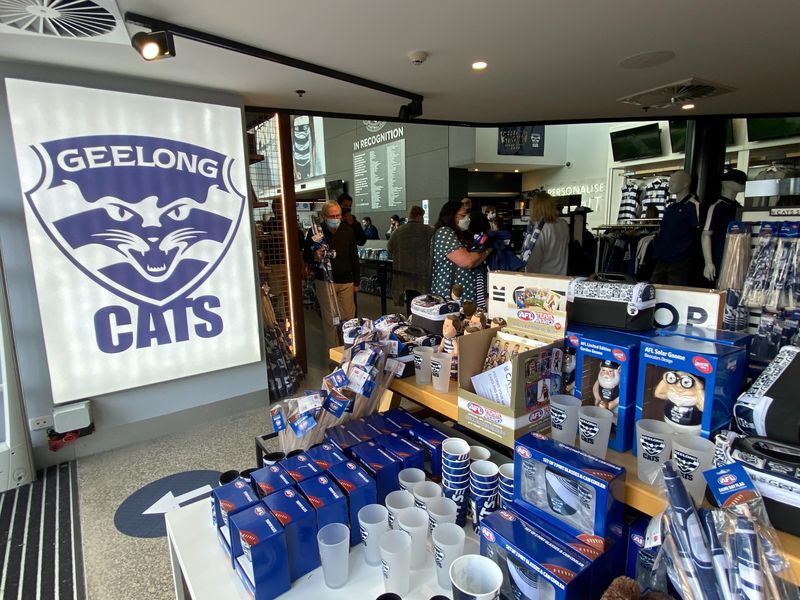
The Australian Football League has imposed a substantial financial penalty on the Geelong Cats after an independent inquiry discovered the club entered into an unauthorised contractual variation with player Jake Kolodjashnij that waived his legal protections regarding concussion-related injuries. The A$140,000 fine, equivalent to approximately US$100,500, represents the AFL Commission's determination that the matter warrants significant disciplinary action despite finding no evidence of deliberate concealment or deception.
The controversy centres on an "informed consent letter" that Geelong executed with Kolodjashnij two years before the story became public. The document acknowledged the inherent risks associated with competing in Australia's elite Rules football competition and was presented to the player following his history of multiple concussions throughout his playing career. Despite these previous head injuries, an AFL medical panel cleared Kolodjashnij to continue playing, leading the club to extend his contract through the 2026 season on the basis of this signed acknowledgement.
The arrangement remained confidential until Melbourne's Herald Sun newspaper revealed the concussion waiver earlier this month, immediately attracting widespread criticism from player advocates, medical professionals, and the broader sporting community. The disclosure prompted the AFL to commission an independent examination of the letter's validity and the procedures surrounding its execution. That review determined that Geelong had violated league regulations by implementing an unapproved contract modification while simultaneously neglecting to lodge the document with the AFL and the AFL Players' Association, the union representing player interests.
AFL Commissioner Paul Bassat articulated the league's position in his official statement, emphasising that while investigators uncovered no intentional effort to obscure the letter or mislead the AFL or AFLPA, the violation of established protocols demanded a stern response. His remarks underscored the league's commitment to ensuring all clubs comply with safeguards specifically designed to protect athlete welfare and preserve competitive integrity. The decision reflects broader governance concerns about how professional sports organisations manage player health, particularly regarding cumulative neurological injury.
A significant complication has emerged regarding the AFL Commission's internal governance. Craig Drummond, who currently serves as commission chairman, held the presidency of Geelong at the time the waiver was signed. Drummond appropriately recused himself from the investigation and disciplinary process, subsequently issuing a public apology for administrative errors in managing the consent letter. His withdrawal from deliberations ensured the integrity of the review, though it highlighted questions about organisational oversight at both the club and league levels.
Geelong's official response characterised their engagement with Kolodjashnij as fundamentally motivated by a desire to support the player's wellbeing while granting him meaningful control over decisions affecting his professional trajectory. The club framed the consent letter as a collaborative mechanism through which the player could participate actively in determining the terms of his continued participation. However, critics have questioned whether such arrangements, particularly those involving athletes with documented concussion histories, can genuinely represent autonomous decision-making or instead reflect institutional pressure to remain employed despite health concerns.
Kolodjashnij himself has not played for Geelong since July and has remained largely absent from team selections. In a statement released three weeks prior to the AFL's formal ruling, he asserted his physical condition remained sound and expressed commitment to his role at the club. However, he registered disappointment that details of his private medical history had entered the public domain without his apparent consent, highlighting the personal toll of the controversy beyond the organisational dimensions.
James Gallagher, general secretary of the AFL Players' Association, reiterated his union's commitment to supporting Kolodjashnij's interests and wellbeing in the aftermath of the incident. His statement carried particular weight by asserting that the player should never have faced such circumstances in the first place, implicitly criticising both Geelong's approach and potentially the league's broader handling of player safety protocols. The AFLPA's advocacy suggests growing tension between player unions and clubs regarding the balance between commercial interests and athlete protection.
The Geelong matter exemplifies a troubling pattern emerging across professional sports globally. More than one hundred former AFL players have initiated a class action lawsuit against the league and participating clubs since 2023, alleging they sustained injuries, financial losses, and ongoing damage from concussions sustained during their playing careers. This collective legal action represents the accumulation of years of concern about inadequate concussion management and long-term neurological consequences facing athletes in contact sports.
Responding to mounting pressure, AFL leadership has acknowledged its potential accountability should investigations establish wrongdoing within the framework of those lawsuits. Concurrently, the league has committed A$25 million toward research examining the persistent effects of concussion and accumulated head trauma. This substantial investment signals recognition that the AFL must address systemic issues comprehensively rather than through individual disciplinary cases.
For Malaysian and Southeast Asian sporting audiences, the Geelong situation carries important implications regarding player protections and institutional accountability in professional athletics. As sports leagues across the region expand commercially and competitively, questions about how organisations balance athlete welfare against organisational interests become increasingly pertinent. The AFL's response demonstrates that even established sporting bodies must continuously reinforce compliance with player protection protocols, suggesting that emerging leagues in Southeast Asia should prioritise transparent governance and independent oversight mechanisms from their inception.

