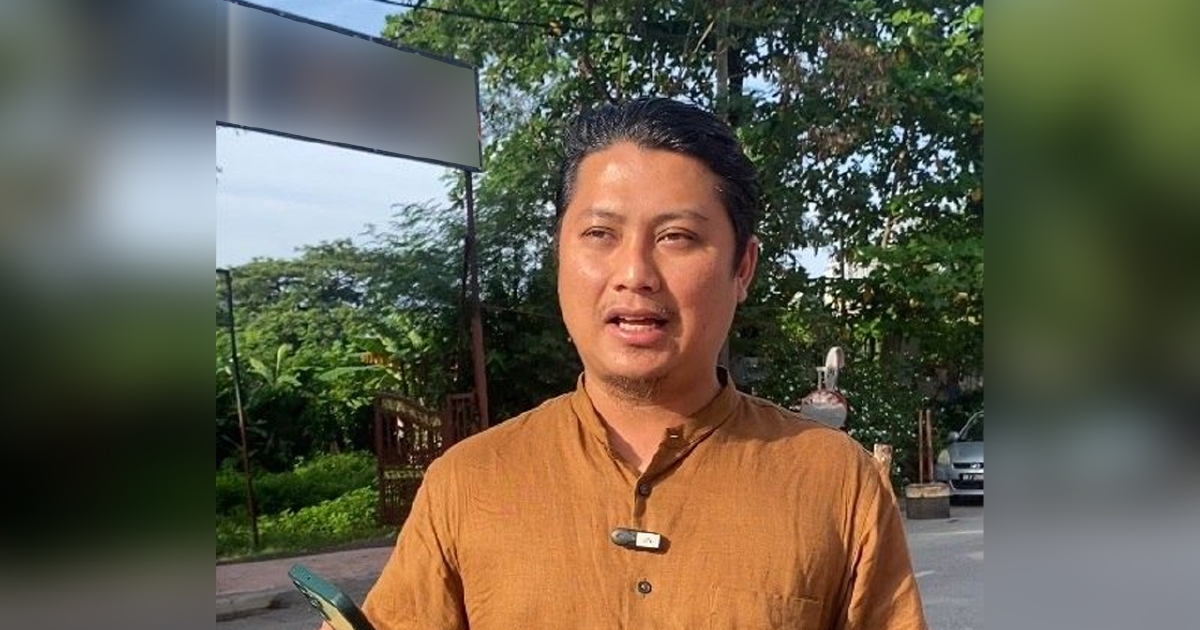
Activist Tamim Dahri Abdul Razak will appear before the Langkawi magistrate's court to face charges connected to allegations of insulting another religion. The development marks a significant escalation in legal proceedings against the activist, who had previously absconded in connection with an unrelated Facebook threat investigation, sparking widespread speculation about his whereabouts and circumstances.
The separate religious insult charge represents a distinct legal matter from the earlier Facebook-related case that prompted authorities to seek his arrest. The timing of his reappearance and decision to face this charge remains noteworthy, particularly given the public uncertainty surrounding his movements in recent months. Details regarding the specific nature of the alleged religious insult and the circumstances that triggered the investigation have not yet been fully disclosed to the public.
The Langkawi magistrate's court, located in Malaysia's premier island destination, will serve as the venue for the legal proceedings. This jurisdiction has seen numerous high-profile cases involving social media-related offences and religious sensitivity matters in recent years. The choice of venue may have implications for how the case is handled, given the court's established experience with such sensitive legal matters involving questions of religious respect and public order.
The activist's situation reflects broader tensions in Malaysia surrounding freedom of expression, religious sensitivities, and the role of social media in public discourse. Religious insult cases fall under provisions designed to protect the sanctity of all faiths practised in the country, and authorities have demonstrated an increased willingness to pursue such cases in recent years as concerns about online behaviour have grown more acute.
Activists and civil society observers have closely monitored Tamim Dahri's case as a barometer for how Malaysian authorities handle prominent figures who engage in controversial speech or activism. His legal battles touch upon fundamental questions about the boundaries of acceptable public discourse in a multi-religious society, where respect for all faiths is considered paramount by the judiciary and law enforcement agencies.
The Facebook threat case that preceded this current charge involves distinct allegations and has followed a separate investigative track. That investigation prompted intense debate about online safety, the role of social media platforms in moderating content, and questions about threats and harassment in the digital space. The emergence of this additional religious insult charge suggests that authorities may have identified multiple matters warranting legal action during their investigation into the activist's activities.
For Malaysian readers and observers of legal developments, the case underscores the complex intersection of religious law, secular criminal provisions, and digital-age challenges facing the Malaysian justice system. The religious insult statute carries significant implications for anyone engaged in public discourse, whether online or offline, and the prosecution of cases under this provision sends important signals about enforcement priorities and tolerance thresholds within the society.
The specific allegations underlying the religious insult charge have not been extensively detailed in public statements, leaving room for various interpretations of what conduct or speech triggered the investigation. Understanding these particulars will be crucial for legal analysts and interested parties seeking to assess both the merits of the case and its broader implications for freedom of expression in Malaysia.
The Langkawi court appearance will likely attract significant attention from activist groups, religious organisations, and media observers tracking the intersection of human rights and religious harmony in Malaysia. The outcome of this case may establish or reinforce precedents regarding how courts handle religious sensitivity matters in the contemporary digital environment where speech spreads rapidly and can reach broad audiences across traditional and social media platforms.
The activist's profile and previous involvement in public advocacy work have made this case a focal point for discussions about the risks faced by those who challenge prevailing views or engage in controversial speech in Malaysia. Various stakeholders have expressed concerns about the cumulative effect of multiple legal actions against individuals, particularly when cases involve different factual bases and legal theories, raising questions about potential prosecution strategy and proportionality of response.
As the Langkawi magistrate's court prepares to hear this matter, observers will be watching not only the immediate outcome but also the judicial approach taken to balancing Malaysia's legitimate interest in protecting religious harmony against important principles of free expression and fair legal process. The case will provide insight into how courts are interpreting and applying religious insult provisions in contemporary Malaysia and the weight given to various considerations in adjudicating such sensitive matters.

