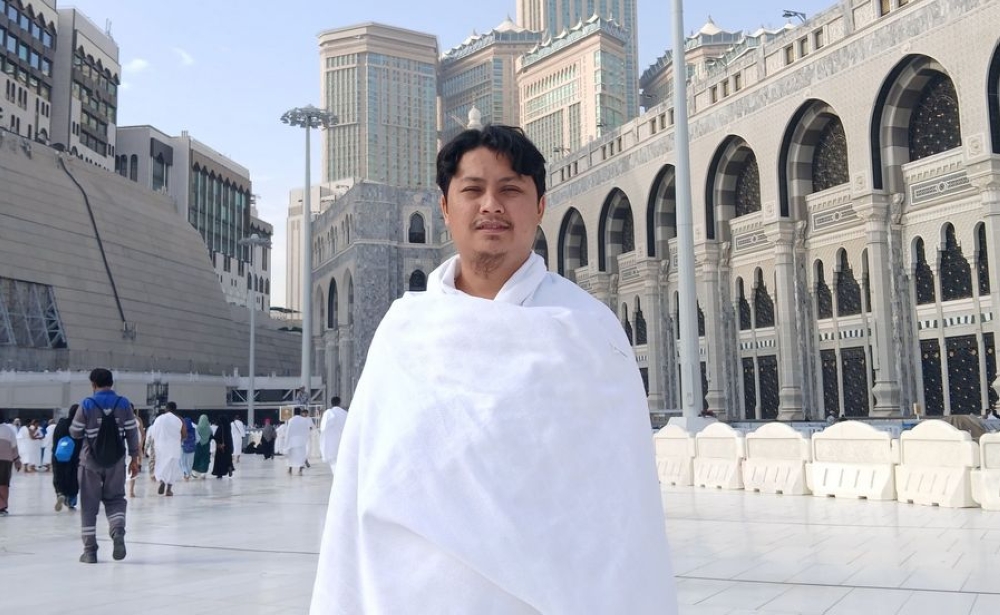
Police in Alor Setar re-arrested activist Tamim Dahri Abdul Razak on July 20 after his initial two-day remand period concluded, signalling the authorities' intention to proceed with formal charges against him. The decision to re-detain the activist immediately following the expiration of his remand reflects the seriousness with which law enforcement is treating the matter under investigation.
The timing of the re-arrest, occurring precisely as the remand order lapsed, represents a critical juncture in the legal proceedings. Under Malaysian criminal procedure, once a remand period ends, detainees must either be released or re-arrested on fresh grounds if investigations require continued custody. The swift re-arrest suggests investigators had sufficient material to justify extending Dahri's detention while they prepare the formal charge sheet.
According to police statements in Alor Setar, Dahri was scheduled to be brought before the courts the following day to face charges. This procedural sequence is standard practice in Malaysian courts, where remand periods typically precede the filing of charges once investigators have compiled the necessary evidence and documentation. The proximity between re-arrest and court appearance indicates the investigation has reached an advanced stage.
Tamim Dahri Abdul Razak has maintained a visible profile in civil society and activist circles across Malaysia. His detention and the prospect of charges have drawn attention to questions about the scope of police investigations and the legal framework governing arrest and remand procedures. The case underscores ongoing tensions between law enforcement operations and civil liberties discussions within the Malaysian legal system.
The two-day remand period preceding his re-arrest provided authorities with a window to interrogate Dahri and gather evidence pertinent to their investigation. During such periods, police typically conduct interviews, examine documents, and build their case file before deciding whether to proceed with formal charges. The decision to re-arrest rather than release indicates that interrogations and investigations yielded material the authorities deemed sufficient for prosecution purposes.
The location of these proceedings in Alor Setar, the capital of Kedah, places the case within the jurisdiction of state-level law enforcement and the Kedah legal system. Regional considerations may influence how such cases are handled and perceived, particularly given the varying attitudes toward activism and civil society engagement across different Malaysian states. Alor Setar magistrates' courts would be the venue for initial appearances and preliminary hearings.
From a procedural standpoint, Malaysian law permits police to seek remand extensions if investigators require additional time to complete their inquiries. The decision to seek re-arrest rather than extension suggests investigators had completed the information-gathering phase and were ready to transition toward prosecution. This represents a significant development in the timeline of the case, moving it from the investigation phase toward the adjudication phase.
The charges Dahri faces have not been explicitly detailed in immediate reports, though the intensity of the police operation suggests the allegations carry substantive weight within Malaysia's regulatory framework. Activists and observers typically await clarification on the specific charges to understand the legal basis for prosecution and to assess implications for broader civil society operations and protest activities.
In the Malaysian context, re-arrests following remand periods often indicate that authorities have constructed what they consider a prosecutable case. Defence counsel typically receives the charge sheet and supporting documents shortly before or upon the defendant's first court appearance, allowing legal representatives to prepare preliminary arguments and bail applications. This stage often proves critical in determining whether accused persons gain release pending trial or remain in custody.
The case draws attention to the relationship between investigative detention and due process protections in Malaysia. Civil rights advocates frequently scrutinise remand periods and re-arrests to ensure compliance with constitutional safeguards and procedural fairness requirements. The courts play a gatekeeping role in this process, requiring police to justify extensions and re-arrests with concrete evidence and proper documentation.
For Malaysian civil society and activist networks, such developments carry broader implications regarding the operating environment for advocacy work and public mobilisation. The specific nature of Dahri's case and eventual charges may signal how authorities intend to regulate activist conduct across different issue areas. Regional analysts often monitor such prosecutions to gauge trends in restrictions on protest activity and civil engagement.
The immediate priority for Dahri's legal team would involve securing bail pending trial, should charges proceed as anticipated. Malaysian courts typically conduct bail hearings promptly after initial court appearances, weighing factors such as flight risk, ties to the community, and the severity of alleged offences. The court's decision on bail often determines whether the accused remains detained or can continue life outside custody during the trial phase.
As the case advances from investigation through initial court proceedings toward potential trial, its trajectory will offer insights into how Malaysian courts and prosecutors approach cases involving activist figures. The handling of such matters reflects broader questions about the space available for civil activism, the application of relevant laws, and the balance between security concerns and fundamental freedoms within Malaysia's legal framework.

