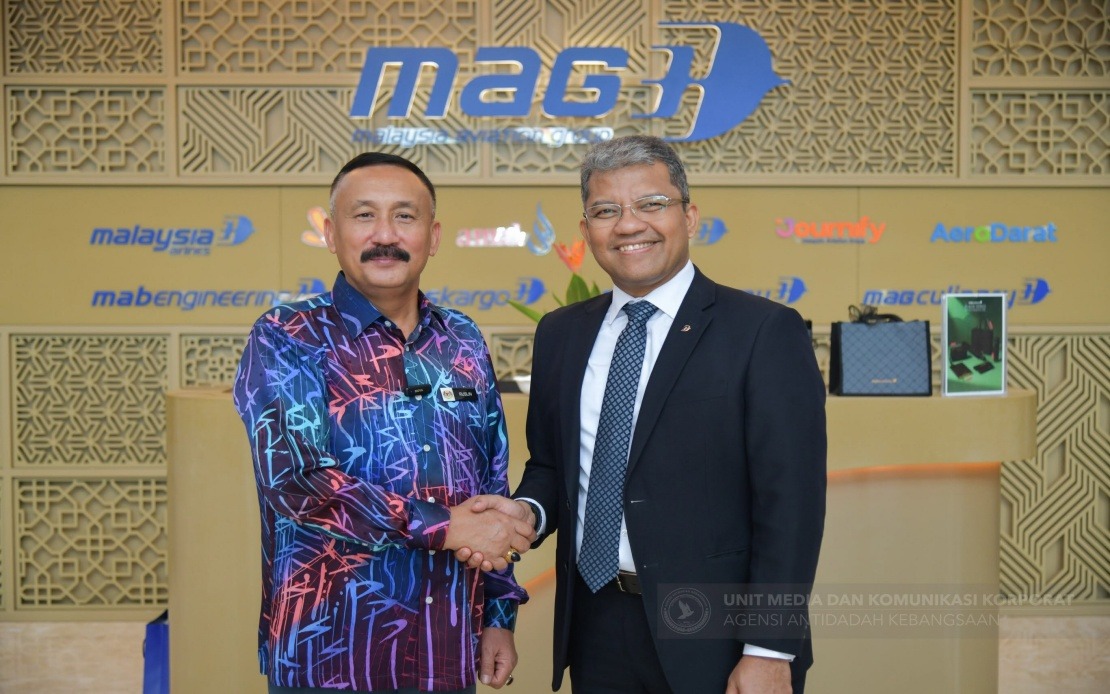
The National Anti-Drugs Agency (AADK) and Malaysia Aviation Group (MAG) have formalized a strategic partnership aimed at combating substance abuse within the aviation industry. The collaboration, cemented through a newly signed memorandum of understanding, represents a significant step in addressing drug-related threats among personnel operating within Malaysia's critical transportation infrastructure. By joining forces, the two organisations are positioning themselves to create comprehensive prevention frameworks that extend beyond conventional enforcement approaches.
ADAK director-general Datuk Ruslin Jusoh outlined the collaborative vision during a courtesy visit to MAG chief executive officer Captain Nasaruddin A Bakar at the company's Sepang headquarters. The meeting focused on developing multifaceted cooperation mechanisms designed to strengthen drug abuse prevention initiatives specifically targeting MAG's workforce. Rather than concentrating solely on detection and punishment, the partnership emphasises proactive measures that address the root causes of substance dependency within the organisation.
The scope of this cooperation encompasses three interconnected pillars: prevention activities that equip employees with knowledge and resources to resist drug use, eradication strategies targeting existing substance abuse problems, and comprehensive public awareness campaigns that underscore the dangers posed by illicit drugs and controlled substances. This tripartite approach acknowledges that effective drug control requires simultaneous action across multiple fronts, from individual employee support to organisational culture change.
A cornerstone of the initiative involves implementing the Drug-Free Workplace (TEKAD) programme across MAG facilities and premises. This framework represents more than symbolic commitment—it establishes concrete operational standards and monitoring systems designed to maintain substance-free work environments. Given aviation's safety-critical nature, where pilot and crew impairment could potentially endanger thousands of lives, the implementation of such rigorous workplace protocols carries significant implications for public safety and operational integrity.
Datuk Ruslin emphasised that this collaboration extends AADK's influence beyond its traditional regulatory boundaries by enlisting Malaysia Airlines and broader MAG operations as active partners in national drug prevention efforts. The partnership effectively transforms the airline group from a passive stakeholder in anti-drug initiatives into an engaged institutional player capable of reaching thousands of employees and, indirectly, their families and communities. This multiplier effect amplifies the reach and impact of government-led drug prevention campaigns.
The aviation sector faces particular vulnerabilities regarding substance abuse due to its high-stress operational environment, irregular work schedules, and access to international transit routes where drug smuggling networks operate. By establishing robust prevention frameworks within airlines and associated operations, AADK and MAG are addressing vulnerabilities specific to their industry while establishing best-practice models potentially adaptable to other high-security sectors such as maritime operations, port authorities, and critical infrastructure providers.
Safety considerations form the ethical core of this initiative. Unlike some industries where worker impairment primarily affects productivity metrics, aviation sector substance abuse directly influences flight safety and passenger welfare. Pilots, ground crew, maintenance technicians, and air traffic controllers whose judgment is compromised by drug use pose unacceptable risks. Consequently, implementing rigorous Drug-Free Workplace protocols transcends ordinary occupational health and safety concerns, becoming instead a fundamental prerequisite for responsible aviation operations.
The partnership structure indicates AADK's broader strategic pivot toward engaging private sector organisations as collaborative partners in drug control efforts. Rather than relying exclusively on law enforcement interventions, the agency increasingly recognises that major corporations and state enterprises can effectively function as force multipliers, implementing prevention programmes, conducting employee education, and maintaining workplace monitoring systems. This approach distributes responsibility for drug prevention across multiple institutional actors, creating layered defences against substance abuse.
Implementing such programmes typically requires substantial resource commitments, including staff training in substance abuse recognition and intervention, establishment of employee assistance programmes, drug testing protocols, and ongoing awareness campaigns. MAG's commitment to allocating resources toward these initiatives reflects understanding that maintaining a healthy, substance-free workforce ultimately protects shareholder value, operational reliability, and brand reputation. The company's engagement also signals to other Malaysian enterprises that comprehensive drug prevention represents a competitive advantage in maintaining operational excellence.
The presence of AADK deputy director-general (Operations) Zainudin Abdullah and delegations from both organisations underscored the institutional significance accorded to this partnership. Such high-level attendance indicates this initiative extends beyond routine administrative cooperation, instead representing strategic priority alignment between government drug enforcement apparatus and a major state-linked enterprise. This signals to other Malaysian corporations that participation in collaborative drug prevention efforts enjoys governmental support and recognition.
Looking forward, this partnership potentially establishes a template for similar cooperation between AADK and other significant employers operating in Malaysia's transportation, energy, telecommunications, and manufacturing sectors. Should the MAG initiative produce measurable reductions in substance abuse among aviation personnel or demonstrate improvements in workplace safety metrics, other organisations may feel encouraged to develop comparable programmes. Such sector-wide adoption would substantially expand AADK's effective capacity to address drug-related challenges throughout the economy without proportional increases in government spending.
The collaboration also carries implications for Malaysian aviation's international standing. As global aviation bodies increasingly emphasise safety and security standards, demonstrating robust substance abuse prevention frameworks may enhance Malaysia's reputation for operating airlines that meet or exceed international safety expectations. This reputational benefit extends beyond regulatory compliance, potentially attracting international partnerships and investment in Malaysia's aviation industry.

