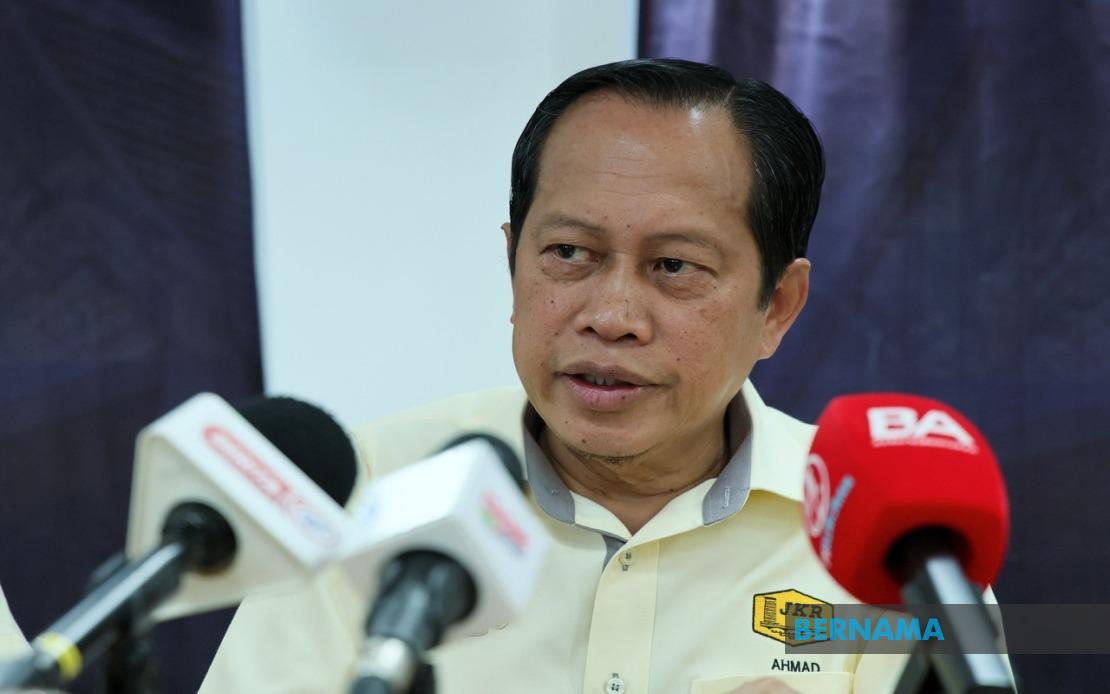
Deputy Works Minister Datuk Seri Dr Ahmad Maslan has announced that Malaysia is progressing a significant infrastructure initiative comprising 524 additional classroom projects worth RM668 million across the country in preparation for the 2027 academic intake. The announcement came during a facility handover ceremony at Sekolah Menengah Kebangsaan Tok Jembal in Terengganu, where Education Minister Fadhlina Sidek officiated the transfer of the first completed project from the state's Public Works Department to the Education Ministry. This early completion underscores the government's commitment to ensuring adequate educational facilities are ready well before the expected demand surge.
Of the 524 projects identified for implementation, 517 have already received Letters of Acceptance, a key administrative milestone that signals formal approval and funding allocation. Notably, three projects have already been completed, demonstrating that the accelerated construction timeline is achievable despite the scale of the undertaking. The emphasis on completing projects ahead of schedule reflects lessons learned from previous infrastructure programmes and a determination to avoid last-minute facility shortages that have historically plagued Malaysian schools during peak enrolment years.
The construction approach employed across these projects represents a modernisation of Malaysia's school-building methodology. By utilising modular construction methods and the Industrialised Building System, contractors can standardise production, reduce waste, and accelerate on-site assembly compared to traditional brick-and-mortar construction. This approach has proven effective in other Southeast Asian nations and reflects Malaysia's broader shift towards more efficient and sustainable infrastructure development. The modular system also allows for easier expansion or modification of facilities in future years, providing long-term flexibility.
The scope of these classroom additions encompasses 459 schools nationwide and will create 1,780 new classrooms in total. This distribution comprises 1,255 standard classrooms for regular students and 525 classrooms dedicated to the Special Education Integration Programme, commonly referred to as PPKI in Malaysian education circles. The inclusion of special education facilities demonstrates that the government is prioritising inclusive education and ensuring that students with additional learning needs are not overlooked in this expansion drive.
The geographical distribution of these projects reveals significant regional variation in demand pressures. Selangor leads with 143 projects, all of which have secured approval, reflecting the continued population growth and urbanisation in Malaysia's most developed state. Kedah follows with 93 projects, of which 92 have been approved, while Johor accounts for 47 projects with 45 approved. This concentration of activity in these three states suggests that demographic shifts and economic activity remain concentrated in the northern, western, and southern economic corridors, with Klang Valley expansion still presenting the most urgent capacity challenges.
Terengganu and Penang each have 30 or more projects, all approved, while Perak is advancing 22 projects with 18 having received Letters of Acceptance. The eastern and northern states are therefore not being neglected in this expansion, with infrastructure planning attempting to anticipate demand across all demographic trends rather than simply reacting to existing capacity constraints. Pahang, Melaka, Kelantan, Perlis, Labuan, Kuala Lumpur, and Negeri Sembilan collectively account for the remaining projects, with all receiving formal approval, ensuring that even lower-density and smaller states receive their proportionate share of educational infrastructure investment.
For Malaysian parents and educators, this announcement signals that the recurring challenge of classroom overcrowding should ease substantially by 2027, assuming completion schedules remain on track. The RM668 million investment represents considerable fiscal commitment to education at a time when Malaysia faces competing budgetary pressures across healthcare, defence, and social welfare. This prioritisation of classroom infrastructure suggests that policymakers recognise human capital development as foundational to long-term economic competitiveness and social stability.
The early completion of projects, exemplified by the Tok Jembal facility handover, provides cautious optimism that the full programme can be delivered within budget and timeline constraints. Construction delays have historically plagued Malaysian school expansion projects, often resulting in mixed-shift or overcrowded conditions that compromise educational quality. The application of industrialised building systems may help mitigate these risks by moving production to controlled factory environments rather than relying entirely on site-dependent weather and logistical variables.
From a regional perspective, Malaysia's classroom expansion programme reflects patterns seen across Southeast Asia, where rapid urbanisation and education expansion are straining public school capacity. Countries including Vietnam, Thailand, and Indonesia are simultaneously undertaking comparable infrastructure drives, creating regional demand for modular construction expertise and materials. Malaysian success with this approach could position local contractors for export opportunities and establish domestic supply chains that serve broader regional needs beyond 2027.
The programme's emphasis on special education integration is particularly noteworthy, signalling a policy shift toward inclusive rather than segregated education models. By mainstreaming students with additional support needs into regular schools rather than exclusively relying on specialised institutions, Malaysia aligns with international best practices and disability rights frameworks. This approach, if properly supported with trained personnel and accessible facilities, can improve social integration and educational outcomes for vulnerable student populations.
Stakeholders in the education sector will be monitoring project completion rates closely over the coming years. Any significant slippage could necessitate emergency measures such as extended school sessions, portable classrooms, or temporary facility arrangements. Conversely, ahead-of-schedule completions as already demonstrated could create breathing room for quality assurance checks and soft furnishing before students occupy new spaces. The 2027 deadline provides sufficient advance notice for schools to plan intake schedules and for the teaching profession to undergo any necessary expansion or redeployment.

