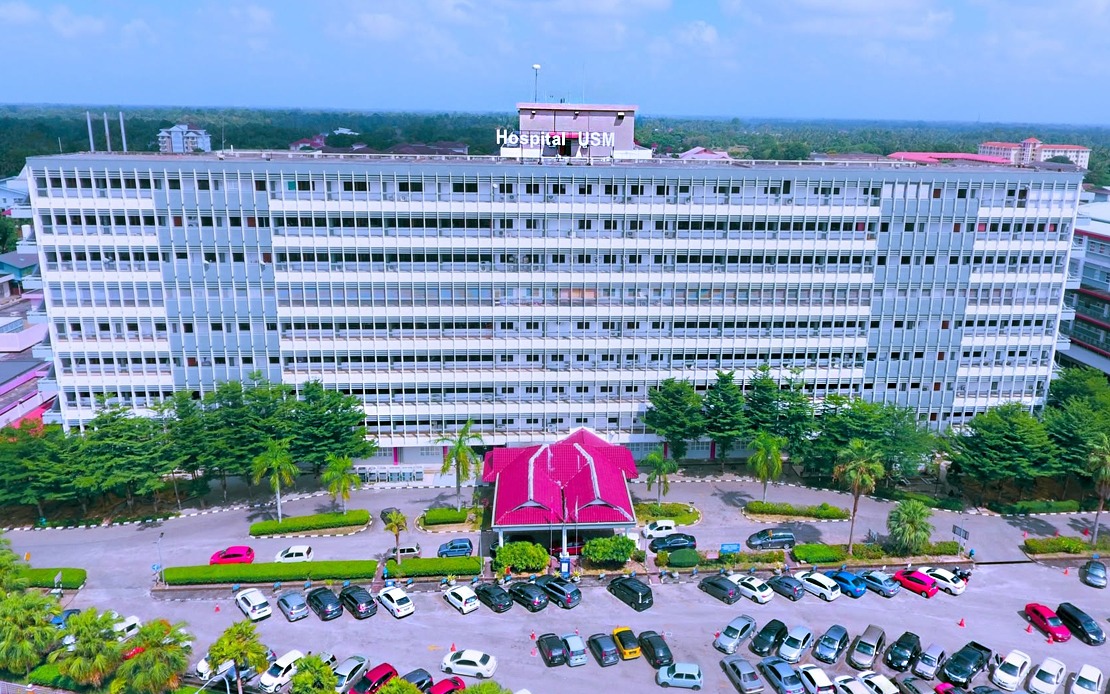
Twenty-three students aged between seven and nineteen will receive surgical correction for strabismus at Universiti Sains Malaysia Specialist Hospital (HPUSM) in Kota Bharu this week, marking a significant breakthrough in addressing the eye condition that has left many young patients waiting months or even years for treatment. The operations, scheduled across five consecutive days as part of the second Strabismus Surgery Carnival, represent a major acceleration in the hospital's capacity to handle cases identified through community screening programmes across Kelantan.
Director Datuk Dr Ab Rahman Izani Ghani @ Ab Ghani explained that the initiative has already made substantial progress in tackling a longstanding bottleneck in ophthalmological services. The hospital's Short-sightedness and Strabismus Eye Intervention Programme, which has operated across Kelantan schools for three years, previously identified approximately 300 students requiring eye treatment. Of these, the 23 students selected for surgery this week represent those with the most pressing clinical need, and their successful treatment during the carnival demonstrates a model that could be expanded across other states facing similar surgical backlogs.
Strabismus, commonly known as eye misalignment or crossed eyes, occurs when the muscles controlling eye movement fail to work in proper coordination, causing the eyes to point in different directions. The condition is far more than a cosmetic concern, according to Prof Dr Shatriah Ismail, a paediatric ophthalmology consultant at USM School of Medical Sciences. Beyond the visible appearance, strabismus directly impairs visual function and the ability of both eyes to work together effectively—a capability essential for depth perception, spatial awareness, and academic performance in developing children.
The psychological and developmental implications of untreated strabismus extend well beyond medical parameters. Children with misaligned eyes frequently experience diminished self-confidence and social withdrawal, conditions that intensify during formative school years when peer interactions critically shape personality development and educational engagement. Shatriah highlighted that the condition significantly compromises patients' capacity to adjust to everyday activities and social situations, creating cascading effects on academic achievement and psychological wellbeing that can persist into adulthood if left uncorrected.
The financial burden of strabismus surgery has historically prevented many Malaysian families from accessing treatment, creating a two-tiered system where wealthy patients received timely correction while lower-income families endured extended waitlists. The funding arrangement for this carnival addresses this disparity directly: the Kelantan Islamic Religious and Malay Customs Council (MAIK) and several non-governmental organisations have jointly underwritten the entire cost of surgical procedures, removing economic barriers that previously excluded many eligible children from treatment.
The carnival model concentrates specialist expertise during a compressed timeframe, bringing together ophthalmology consultants with strabismus specialisation, general ophthalmologists, and postgraduate trainees to conduct intensive assessment and surgical treatment. This concentration of human resources and operating theatre capacity allows the hospital to process a significantly higher volume of cases than routine clinical schedules permit. The involvement of postgraduate students in the procedures also serves an important training function, building the next generation of ophthalmologists with strabismus expertise—a specialty where Malaysia currently experiences notable shortages.
The three-year screening programme that identified these students reflects a growing recognition across Malaysian healthcare that proactive identification and rapid treatment pathways produce superior outcomes compared to reactive systems where patients seek care only after developing secondary complications. Schools throughout Kelantan participated in vision screening initiatives that captured students across diverse socioeconomic backgrounds, ensuring that cases were identified regardless of family income or urban-rural location. This systematic approach has proven far more effective than waiting for parents to independently recognise symptoms and navigate healthcare referral systems.
For Kelantan and the broader Malaysian healthcare landscape, the strabismus carnival demonstrates how temporary, intensive interventions can make meaningful dents in chronic surgical waitlists while simultaneously addressing training deficits in specialist fields. The model's success depends critically on securing sustainable funding beyond this second iteration—a challenge that requires buy-in from state health authorities, corporate sponsors, and religious organisations willing to commit resources to this often-overlooked aspect of preventive child health. Without commitment to regular carnivals or enhanced routine capacity, the hospital will face similar backlogs within months as new cases accumulate.
The initiative also highlights disparities in specialist eye care across Southeast Asia's medical landscape. While Malaysia has developed reasonably sophisticated ophthalmological infrastructure, neighbouring countries with comparable or larger populations often lack equivalent screening and surgical capacity. Regional medical tourism and cross-border referral patterns may shift if countries like Thailand and Singapore continue investing in specialist eye services, potentially affecting Malaysia's ability to retain both clinical revenue and the expertise that concentrated caseloads generate.
Further expansion of this carnival model could address Malaysia's broader surgical backlog crisis, which extends across multiple specialties and has become particularly acute post-pandemic. Strabismus surgery represents a technically straightforward but high-impact procedure that produces immediate visible improvements, making it an ideal candidate for showcasing how concentrated, well-coordinated surgical campaigns can resolve waiting time issues. If successful outcomes from this carnival prompt similar initiatives in other specialties and states, the approach could catalyse systemic changes in how Malaysian public hospitals schedule and resource surgical services.
The students receiving surgery represent just a fraction of the estimated 300 screened through Kelantan schools, raising questions about ongoing care pathways for the remainder. Hospital administrators must establish clear protocols for monitoring the identified patients not yet scheduled for surgery and ensuring they receive periodic assessment to track disease progression. Parents and schools need transparent communication about expected timelines for remaining cases and the rationale for prioritisation decisions, preventing the demoralisation that occurs when families believe their child's case has been forgotten within an overloaded system.

