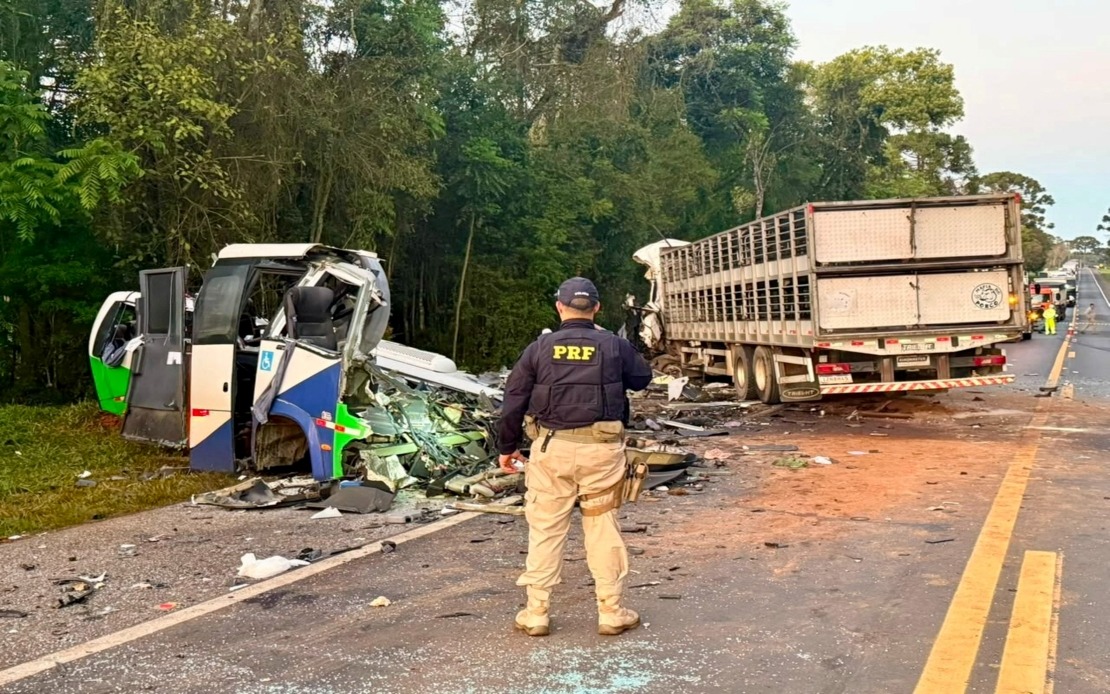
A catastrophic road accident in southern Brazil has claimed 23 lives after a minibus transporting patients crashed head-on with a heavy-duty lorry in the early hours of Wednesday. The collision took place on a national highway near Ipiranga in the Campos Gerais region of Paraná state, prompting regional authorities to declare a three-day period of mourning. The scale of the tragedy underscores ongoing concerns about road safety in Brazil, where highway accidents remain a leading cause of death and injury.
According to initial investigations, the lorry appears to have drifted across the centre line and struck the minibus in a direct head-on impact. The exact sequence of events that led to the truck veering into the oncoming lane remains under detailed examination by authorities, though preliminary assessments suggest the lorry driver may have lost control. The investigation continues as forensic teams and transportation safety officials piece together the circumstances of what officials describe as one of the region's deadliest road accidents in recent years.
The minibus was part of the region's health service network and had been transporting patients to medical facilities in the greater Curitiba metropolitan area, approximately 200 kilometres away from the accident site. Among those who perished were 13 women, eight men, and two children, including the driver of the lorry. The specific medical conditions of the patients and the purpose of their hospital transfers have not been disclosed. Five additional passengers sustained injuries and were rushed to nearby hospitals for treatment, according to the Paraná State Secretariat for Public Security.
The crash highlights infrastructure vulnerabilities along Brazil's national highway system, particularly in southern regions where economic development has strained road capacity. The accident occurred on a two-lane national highway that serves multiple regions of southern Brazil and experiences significant commercial traffic. In many sections, the road lacks modern safety features such as adequate barriers, passing zones, or advanced warning systems. The narrow configuration means that any vehicle drift into the oncoming lane creates an immediate collision risk, especially for larger trucks travelling at highway speeds.
Emergency response teams sealed off the accident site for several hours as they conducted preliminary investigations, recovered victims, and documented evidence. The closure disrupted traffic flow along the corridor, illustrating the cascading impacts of such incidents on regional commerce and transportation networks. Local residents and highway users in the area expressed shock at the severity of the collision and raised concerns about the condition and safety standards of the stretch of road where the accident occurred.
For Malaysian readers, this incident reflects broader challenges shared across developing economies where modernisation of transportation infrastructure has not kept pace with traffic growth. Brazil's experience mirrors concerns raised in Malaysia regarding adequate road maintenance, driver fatigue protocols, and vehicle safety standards on national highways. The tragedy underscores the importance of comprehensive road safety measures including regular vehicle inspections, driver rest requirements for commercial vehicles, and infrastructure upgrades to prevent cross-lane collisions.
The state of Paraná, which includes the major city of Curitiba, is one of Brazil's economically developed regions, yet the accident demonstrates that prosperity does not automatically translate to modern road safety systems. Highway accidents in Brazil have become increasingly recognised as a public health emergency, with thousands of deaths occurring annually. International transport safety organisations have long advocated for Brazilian authorities to implement stricter regulations on driver working hours, mandatory safety technology installation, and progressive road improvements.
The incident will likely reignite debate within Brazil about transportation policy and investment priorities. Medical transport services, which move vulnerable patient populations, face particular scrutiny when accidents occur, as questions arise about vehicle maintenance, route selection, and operational procedures. Families of victims will seek accountability from both the health service operators and authorities responsible for highway maintenance and oversight.
Regional governments across Brazil have begun reviewing their fleet management practices and driver safety protocols in response to this and similar recent accidents. Insurance companies and vehicle manufacturers are also examining whether improved technology could have prevented this collision. The three-day mourning period declared by the Paraná state government reflects the profound impact the tragedy has had on the local community.
As investigations continue, authorities will examine whether the lorry operator maintained proper vehicle maintenance and whether the driver had adequate rest before the journey. These factors frequently emerge as contributing causes in such high-impact collisions. The findings may influence future regulatory decisions affecting commercial transport operations throughout the region and potentially across Brazil more broadly.

