Seventeen Malaysians have been reported missing following a catastrophic flash flood that swept through Nepal's Rasuwa district on Wednesday morning, placing them among several hundred foreign nationals now unaccounted for in the aftermath of the natural disaster. According to Nepal's tourism board, the missing Malaysians were part of tour groups organised by Fishtail Tours and Travels, a travel agency that regularly facilitates regional tourism in the Himalayan nation.
The scale of the humanitarian crisis became apparent as authorities compiled their initial assessment. At least 291 foreign nationals and 93 Nepalese citizens remain uncontactable following the deluge, with police and tour operators actively engaged in locating and establishing contact with those affected. The tourism board issued successive situation updates throughout the afternoon as rescue operations escalated, reflecting the ongoing uncertainty surrounding the total number of casualties and missing persons.
The Malaysian Foreign Ministry released an earlier statement indicating that 11 Malaysian nationals known to be in the Rasuwa district had lost communication following the flood. The discrepancy between the tourism board's figure of 17 and the Foreign Ministry's initial count of 11 suggests that search teams were still accounting for all affected Malaysians at the time of reporting, with additional nationals potentially identified as missing during subsequent contact attempts.
Responding swiftly to the emergency, the Malaysian Embassy in Kathmandu mobilised its diplomatic resources to assist affected citizens. Embassy officials have been actively liaising with Nepalese government authorities, police forces, and local rescue operations to coordinate search efforts and obtain verified information about missing Malaysians. The embassy serves as the primary point of contact for Malaysian nationals in distress and their families seeking updates from Malaysia.
Nepalese authorities launched extensive search and rescue operations to locate missing persons and determine their current status and whereabouts. The government deployed dedicated rescue teams equipped for operations in the challenging terrain affected by the flooding, which spans areas now rendered difficult to access due to widespread infrastructure damage.
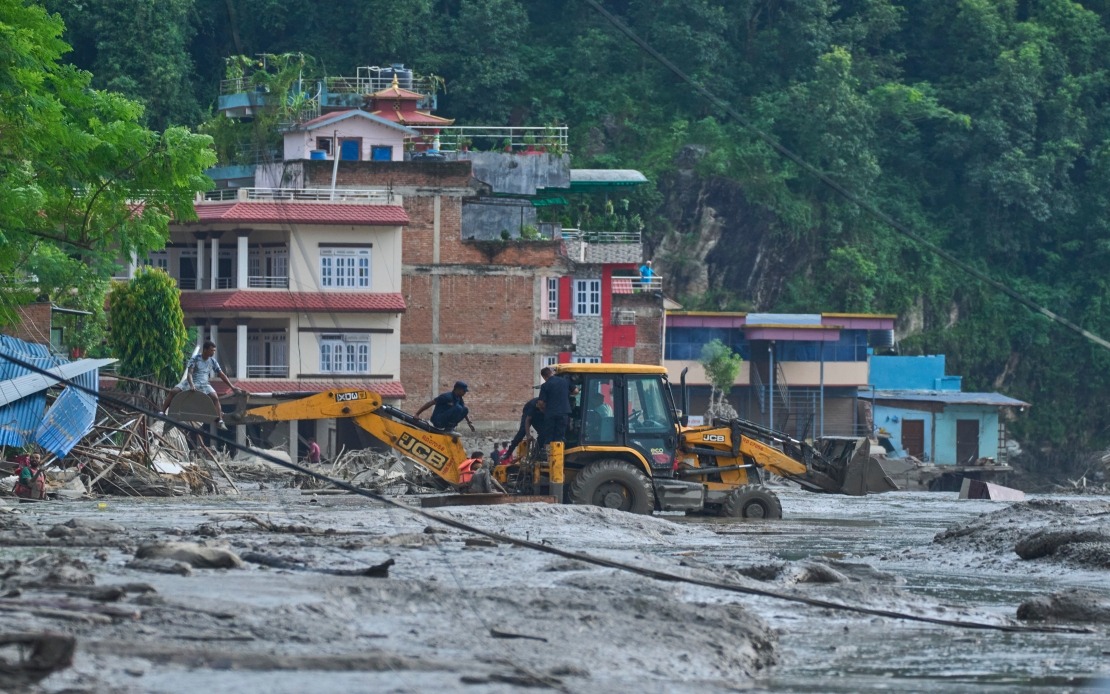
The disaster's destructive power was evident in the devastation left across the landscape. The Bhote Koshi river, swollen by the sudden influx of floodwater, surged through multiple settlements across the Rasuwagadhi-Timure region. The flooding swept away numerous villages, obliterated road networks that connect remote communities, destroyed buildings including homes and commercial structures, and severely damaged critical infrastructure projects including hydropower facilities that provide electricity to the region.
The tragedy affected nationals from numerous countries, underscoring the popularity of Nepal as a destination for regional and international tourism. Among the missing were 142 Indian nationals, including 37 Indian citizens residing abroad, alongside citizens from Britain, South Africa, and the United States. This international dimension has prompted coordinated diplomatic responses from multiple nations seeking to account for their citizens and secure their safety.
For Malaysian tourists and their families, the incident represents a stark reminder of the risks inherent in travel to Nepal, particularly during monsoon season when weather patterns become increasingly unpredictable and flash flooding occurs with greater frequency in vulnerable districts. The Rasuwa district, situated in the northern reaches of Nepal near the Tibetan border, is popular with adventure tourism enthusiasts exploring the Himalayan region, but its mountainous terrain and proximity to glacial water sources make it particularly susceptible to rapid water surges during periods of heavy precipitation.
The coordination between Malaysia's diplomatic mission and Nepalese authorities reflects established protocols for managing disasters affecting citizens abroad. The Embassy's active engagement in search coordination ensures that Malaysian concerns are represented in the rescue operations, that affected citizens receive appropriate support, and that families in Malaysia receive timely and accurate information regarding their loved ones' status.
Search and rescue operations in the affected region face considerable logistical challenges, including damaged transportation routes that restrict access to affected areas, unpredictable weather conditions that may hamper aerial operations, and the need to operate in terrain where visibility and communication may be limited. The deployment of multiple rescue teams by the Nepalese government nonetheless represents a comprehensive mobilisation of available resources to locate and assist those affected by Wednesday's deluge.

