The bodies of 15 Indian nationals who died in a speedboat disaster off southern Vietnam last week were flown back to India on Monday, marking a tragic conclusion to what was intended as a recreational company outing. The repatriation flight departed from Ho Chi Minh City for Mumbai with the remains of workers and their companions from Lava International, a consumer electronics and smartphone manufacturer headquartered in Uttar Pradesh, according to a statement from the Indian Embassy. The deceased hailed from three Indian states: ten from Tamil Nadu, three from Andhra Pradesh, and two from Kerala, reflecting the geographical spread of the company's workforce and distribution network.
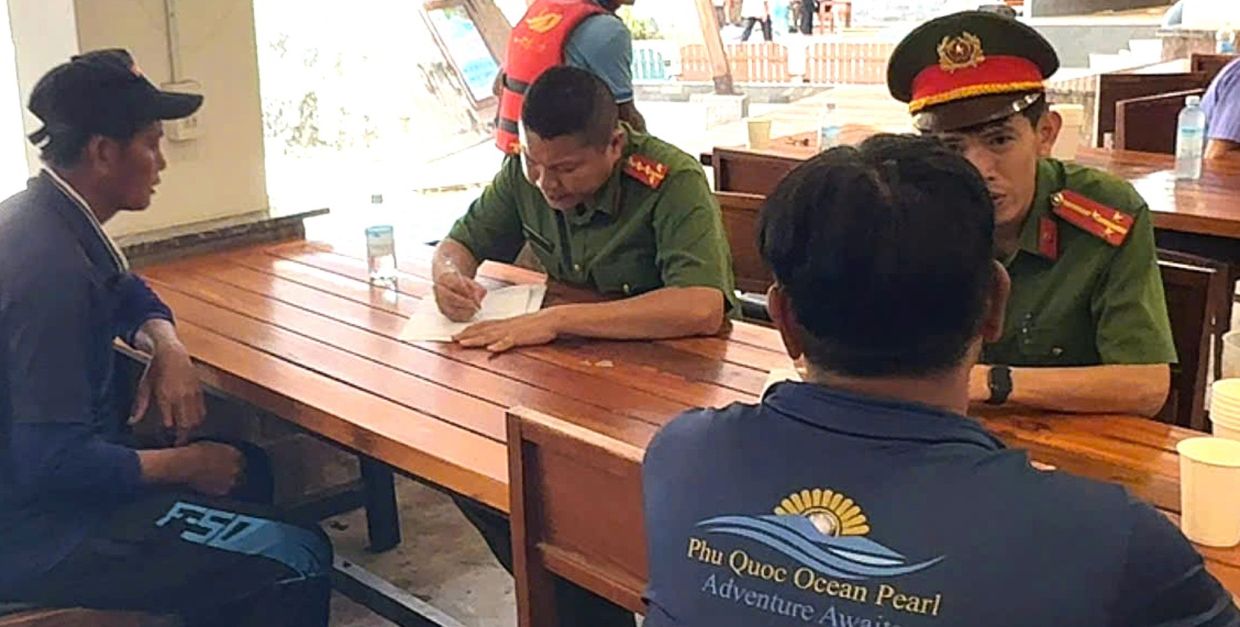
The incident unfolded on Saturday afternoon when the speedboat carrying 32 Indian tourists and four Vietnamese crew members capsized near Hon May Rut Ngoai island, located just offshore from Phu Quoc, Vietnam's premier island destination. The vessel had departed from the island only moments before disaster struck in the afternoon, according to local authorities. The speedboat's captain, Nguyen Hong Hai, age 57, is now the subject of an official investigation into alleged breaches of Vietnam's waterway transport safety protocols. State media sources indicated the probe would focus on whether proper safety procedures were followed and whether the vessel was appropriately equipped and maintained for such operations.
Survivors paint a harrowing picture of the sudden transformation from holiday enjoyment to maritime emergency. Nirmal Kumar, a 44-year-old businessman who was among those rescued, described how an approaching storm rapidly escalated conditions aboard the vessel. According to Kumar's account provided to international news agencies, a powerful wave struck the boat with sudden force, instantly generating panic among the passengers who had moments before been relaxing on what they expected to be an uneventful excursion. The vessel began rocking uncontrollably in the increasingly turbulent waters, with Kumar noting that the crew appeared to lose command of the boat's handling and direction.
The chaos that followed saw passengers scrambling across the deck in desperate attempts to stay aboard, with many ultimately forced to abandon ship as the speedboat continued its violent movements. Kumar recounted how terrified travelers rushed from one side of the vessel to the other before ultimately jumping overboard into the surrounding waters. He himself leapt into the sea, where he remained until rescue personnel arrived. The psychological toll on survivors has been profound, with Kumar acknowledging that the experience has left him deeply traumatized, particularly given that one of his childhood friends perished in the disaster despite having joined the trip with anticipation of creating positive memories.
Response times by Vietnamese rescue teams appear to have been rapid, with recovery operations commencing within five minutes of the capsizing. These swift actions likely prevented additional fatalities and enabled the rescue of 16 survivors who were subsequently discharged from medical facilities. However, one victim remained in critical condition and required transfer on Monday to Cho Ray Hospital, one of Vietnam's most prestigious public medical institutions located in Ho Chi Minh City. The 49-year-old male patient suffered severe pulmonary damage from near-drowning, compounded by shock, multiple trauma injuries, and evidence of bleeding within the brain cavity. Medical staff at the intensive care unit, led by Dr. Tran Thanh Linh, reported that the patient's vital signs including blood pressure and blood oxygen saturation showed modest improvement despite the severity of his condition.
The geography of the tragedy underscores Vietnam's emergence as a major tourism hub for Indian visitors. Phu Quoc, located approximately ten kilometers from the accident site, represents one of Vietnam's most visited beach destinations, celebrated internationally for its pristine white sandy shores and crystalline waters. The island and surrounding areas attract millions of visitors annually, both from within Vietnam and from abroad, making the incident particularly significant for regional tourism safety considerations. The accident highlights potential vulnerabilities in safety oversight across popular tourist routes in Southeast Asia, particularly those frequented by international visitors unfamiliar with local maritime conditions and potential hazards.
India constitutes one of Vietnam's fastest-expanding source markets for international tourism, reflecting broader trends of Indian middle-class travel expansion across Southeast Asia. The incident may prompt review of safety protocols across Vietnamese maritime tourist operations, particularly those catering to international visitors. For Malaysian and broader Southeast Asian tourism operators, the disaster serves as a cautionary reminder of the critical importance of rigorous safety standards, vessel maintenance, crew training, and weather-responsive operational procedures. The investigation into captain Nguyen Hong Hai's conduct will likely establish important precedents regarding accountability in tourism-related maritime activities throughout the region.
The incident represents a stark reminder of how rapidly recreational activities can transform into catastrophes when environmental factors overwhelm preparedness measures. Kumar's testimony regarding the sudden onset of severe weather conditions suggests that either forecasting was inadequate or weather warnings were not sufficiently heeded by operational decision-makers. The company trip, designed to reward and engage employees, distributors and retail partners, instead became an occasion of profound loss affecting dozens of families across India. As investigations proceed and grieving families prepare to receive their loved ones, the broader tourism industry across Southeast Asia faces renewed scrutiny regarding maritime safety standards and the adequacy of protective measures for international visitors.

