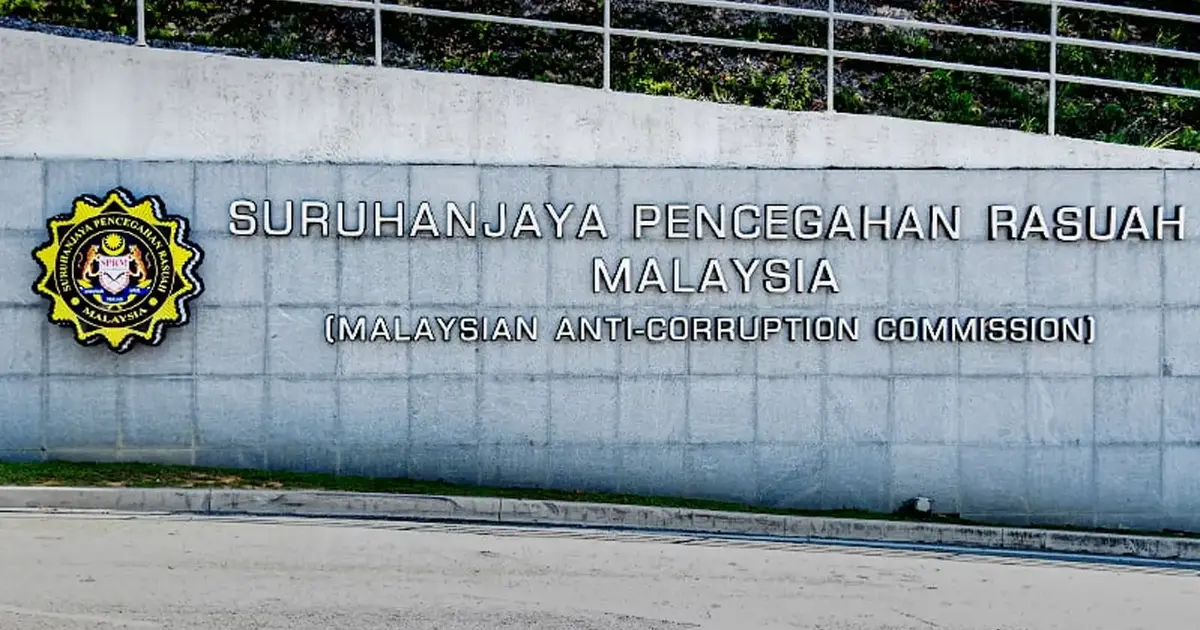
The Malaysian Anti-Corruption Commission (MACC) is preparing to bring 13 company owners before the courts, marking a significant enforcement action against alleged breaches within the government's Daya Kerjaya 2.0 programme. The prosecutions underscore mounting pressure on business leaders implicated in financial impropriety linked to one of Malaysia's flagship employment and skills development initiatives.
Daya Kerjaya 2.0 represents a substantial government commitment to workforce development, combining elements of job creation, skills training, and economic participation across multiple sectors. The programme has been positioned as a cornerstone initiative within Malaysia's broader development agenda, aimed at ensuring more equitable employment opportunities and enhancing the competitiveness of the domestic workforce. When irregularities emerged, the MACC's decision to pursue formal charges against business entities suggests that the alleged misconduct extended beyond administrative oversights into territory warranting criminal prosecution.
The nature of the irregularities uncovered by the MACC remains a focal point of investigation and public interest. Such cases typically involve patterns of financial mismanagement, false claims, fraudulent documentation, or the misappropriation of government allocations intended for legitimate programme activities. In Malaysia's anti-corruption framework, agencies like the MACC have progressively expanded their reach into corporate malfeasance, particularly where government funds or programmes are compromised. The sheer number of defendants—13 separate company owners—suggests a coordinated or systematic pattern of misconduct rather than isolated incidents.
From a governance perspective, this prosecution sends a clear message about institutional accountability and the consequences of programme abuse. Government-backed initiatives require rigorous oversight mechanisms to ensure public resources are deployed effectively and that participating businesses operate within established compliance standards. The MACC's intervention demonstrates that regulatory bodies are prepared to escalate enforcement actions when evidence supports criminal charges, a posture that has become more pronounced across Southeast Asia as anti-corruption agencies strengthen their operational capacity.
For Malaysia's business community, these proceedings carry broader implications. Companies engaging with government programmes face heightened scrutiny, and the threshold for pursuing legal action against suspected misconduct has demonstrably lowered in recent years. Businesses must now implement robust internal controls, maintain meticulous documentation, and ensure that any claims submitted to government agencies are comprehensively verified. The reputational risk alone—of being publicly named in MACC prosecutions—serves as a powerful deterrent against corner-cutting or fraudulent practices.
The Daya Kerjaya 2.0 programme itself may face renewed examination in light of these charges. Government agencies overseeing such initiatives typically review their verification processes, disbursement controls, and recipient vetting mechanisms following major fraud disclosures. Policymakers may consider tightening eligibility criteria, introducing more frequent audits, or requiring greater transparency from participating companies. The ultimate goal is to salvage programme credibility while ensuring that legitimate beneficiaries and participants are not unfairly disadvantaged by association with the misconduct of others.
Regionally, Malaysia's experience mirrors broader patterns across Southeast Asia where government-funded programmes have become targets for exploitation. Countries like Thailand, Indonesia, and the Philippines have similarly grappled with corruption within employment and development initiatives. The MACC's proactive stance positions Malaysia as relatively vigilant in pursuing corporate wrongdoing, though questions about the adequacy of preventative measures rather than merely punitive responses remain pertinent.
The court proceedings themselves will likely attract significant media attention and public commentary, particularly given Malaysia's ongoing national conversation about corruption and institutional reform. Civil society organisations and watchdog groups typically monitor such cases closely, using them as benchmarks for assessing enforcement consistency and the independence of prosecutorial decisions. The outcomes—whether convictions, acquittals, or negotiated settlements—will establish important precedent for future cases involving government programme irregularities.
For affected employees and genuine programme beneficiaries, the prosecutions highlight a painful reality: misconduct by a minority of businesses can undermine confidence in entire initiatives, potentially leading to stricter rules that make legitimate participation more burdensome. This collateral impact underscores why swift and transparent enforcement, coupled with clear communication about programme safeguards, becomes essential for maintaining stakeholder trust.
The MACC's forthcoming court action represents a critical juncture in the oversight of Malaysia's government programmes. Beyond the immediate question of guilt or innocence for the 13 company owners involved, these proceedings will test the robustness of the nation's anti-corruption infrastructure and its capacity to protect public resources from corporate exploitation. As Malaysia continues its trajectory toward higher standards of accountability, such enforcement actions—while administratively demanding and socially disruptive—form an indispensable component of institutional credibility and the sustainable delivery of government-backed development initiatives.

