The 1st International Conference on Microplastics 2026 (ICM2026) opened in Putrajaya with 126 participants representing a cross-section of expertise across marine sciences, environmental policy, and industrial sustainability. The two-day gathering, organised by Universiti Malaysia Terengganu (UMT), brings together researchers, scientists, policymakers, industry representatives, and environmental advocates from Malaysia, Australia, Indonesia, China, Japan, Canada, India, South Korea, the Philippines, and Thailand—a regional and international assembly underscoring the urgency with which Southeast Asia is approaching one of the ocean's most persistent contaminants.
Microplastic pollution has emerged as a defining environmental challenge of this era, permeating marine ecosystems, freshwater systems, and soil environments with fragments of broken plastic that persist for decades. These microscopic particles, invisible to the naked eye yet ubiquitous in their distribution, now appear in ocean sediments, inside fish and marine mammals, and trace through food webs to human consumption. Scientific evidence increasingly links microplastic ingestion to inflammatory responses, potential metabolic disruption, and ecosystem-wide biodiversity imbalance—concerns that have prompted governments and institutions worldwide to elevate the issue in policy discussions and research funding priorities.
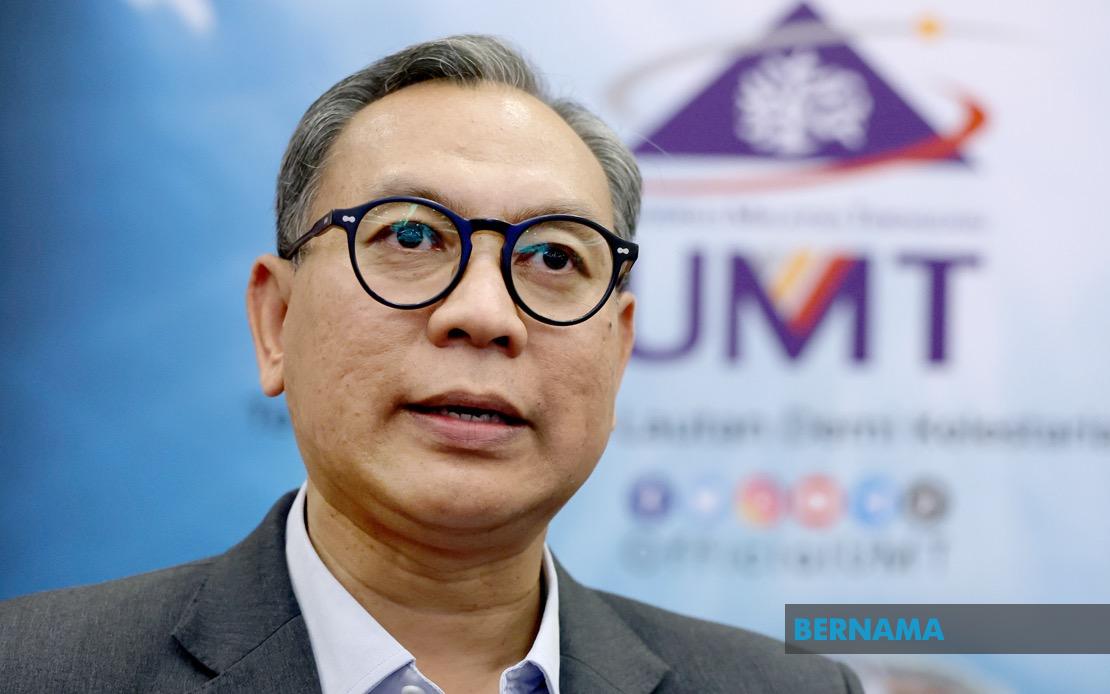
UMT Vice-Chancellor Prof Dr Mohd Zamri Ibrahim framed the conference as a natural extension of the university's established identity as a regional centre for marine, maritime, and aquatic research. By hosting ICM2026 through the Microplastics Research Interest Group (MRIG) and its commercial consultancy arm, UMT Consultancy Services Sdn Bhd (UMTCS), the institution positions itself at the intersection of academic discovery and practical policy application—a dual mandate increasingly expected of universities in the region. The vice-chancellor emphasised that the conference reflects institutional commitment to generating evidence-based knowledge that directly informs environmental governance and ecosystem protection strategies.
The geographic diversity of attendees reflects the truly transnational character of microplastic contamination. Microplastics recognise no borders; they traverse ocean currents from manufacturing sites in one nation to contaminate coastlines thousands of kilometres distant. By convening researchers from both microplastic-producing industrial economies and vulnerable coastal developing nations, the conference creates space for frank dialogue about responsibility, capacity, and shared solutions. The presence of delegates from Australia, Canada, and Japan—developed economies with substantial plastic manufacturing and consumption bases—alongside representatives from the Philippines, Indonesia, and Thailand highlights how the burden of contamination falls disproportionately on nations least responsible for the pollution's origin.
Prof Mohd Zamri underscored that microplastic pollution constitutes a systemic challenge requiring coordinated international response. The contaminants originate from multiple sources: degradation of discarded plastic waste, microbeads in personal care products, synthetic fibre shedding from textiles, tyre wear particles from vehicles, and industrial plastic pellet losses. Once in the environment, these fragments bioaccumulate and concentrate as they move up food chains, potentially concentrating in apex predators and, ultimately, in human consumers. The complexity of the problem demands that solutions address production patterns, waste management infrastructure, wastewater treatment technology, ocean cleanup innovation, and regulatory frameworks simultaneously.
The conference agenda spans the full spectrum of microplastic research and intervention. Participants will present findings from their latest studies on environmental monitoring techniques, examining how scientists detect and quantify microplastics across different ecosystems. Discussions will centre on the documented health impacts—both ecological disruption to marine biodiversity and emerging human health concerns—and on pollution control strategies ranging from source reduction to remediation technologies. Critically, the gathering dedicates attention to regulatory frameworks, acknowledging that scientific consensus must translate into enforceable policy measures that constrain microplastic generation at source.
For Southeast Asian nations, the microplastics crisis carries particular weight. The region's rapidly industrialising economies generate substantial plastic waste; simultaneously, weak waste management infrastructure in many countries allows significant quantities of plastic to escape into waterways and oceans. The South China Sea and waters surrounding Southeast Asian archipelagos have become repositories for microplastic accumulation, threatening fisheries that form the economic and nutritional foundation for millions of regional residents. Attending ICM2026 provides policymakers and researchers from the region direct access to cutting-edge scientific knowledge and opportunity to forge collaboration networks that can accelerate local solutions.
Prof Mohd Zamri expressed confidence that ICM2026 will catalyse tangible collaborative outcomes extending well beyond the conference's formal conclusion. International research networks forged among participants create foundations for joint publications that amplify the visibility and impact of microplastics research conducted in and about Southeast Asia. Enhanced researcher and student mobility—facilitated through conference relationships—strengthens institutional capacity across the region, particularly in universities in developing nations with limited existing expertise in microplastics analytics. The gathering creates opportunity to harmonise analytical methodologies across different research teams, ensuring that data generated in different nations remains comparable and contributes to a coherent global evidence base.
The industrial sector's representation at ICM2026 carries particular significance. While environmental advocates have long pushed for corporate accountability regarding plastic production and waste, meaningful engagement requires bringing industry actors into dialogue with scientists and policymakers. Companies attending the conference gain exposure to emerging technologies for reducing microplastic generation, understanding regulatory trends that will shape future business environments, and accessing scientific expertise that can guide product innovation toward sustainability. Conversely, researchers gain insight into industrial constraints and realities that shape feasible intervention points.
UMT's institutional hosting of ICM2026 reflects broader trends among Malaysian universities to expand engagement with pressing regional and global challenges. The university's focus on marine and aquatic sciences positions it naturally at the centre of microplastics research given Malaysia's extensive coastlines and maritime economy. By organising an international conference, UMT elevates its profile as not merely a teaching institution but a generator of knowledge that shapes international scientific discourse and informs policy across multiple nations. This positioning enhances the university's competitive standing in global research rankings while contributing tangible value to regional problem-solving.
The two-day format of ICM2026, while necessarily compressed, enables intensive exchange of ideas across a concentrated timeframe. Participants will share their research findings, critique emerging methodologies, identify research gaps that require further investigation, and discuss promising technologies for either preventing microplastic generation or remediating contaminated environments. Perhaps most significantly, the conference creates space for researchers from developing nations to present their work alongside counterparts from established research powerhouses, counterbalancing the typical hierarchies in which expertise and visibility concentrate in wealthy countries.
Looking forward, the success of ICM2026 will likely stimulate additional research initiatives and international collaboration networks focused on microplastics. Malaysian institutions, particularly UMT, are positioned to become regional hubs for this critical research area. As Southeast Asian governments increasingly incorporate microplastic reduction into environmental and public health strategies, locally-generated research and regional expertise networks become invaluable assets. The conference, in this sense, represents not merely an academic exercise but a practical investment in regional capacity to address an environmental crisis that will shape coastal ecosystems and human health throughout Asia for decades to come.

