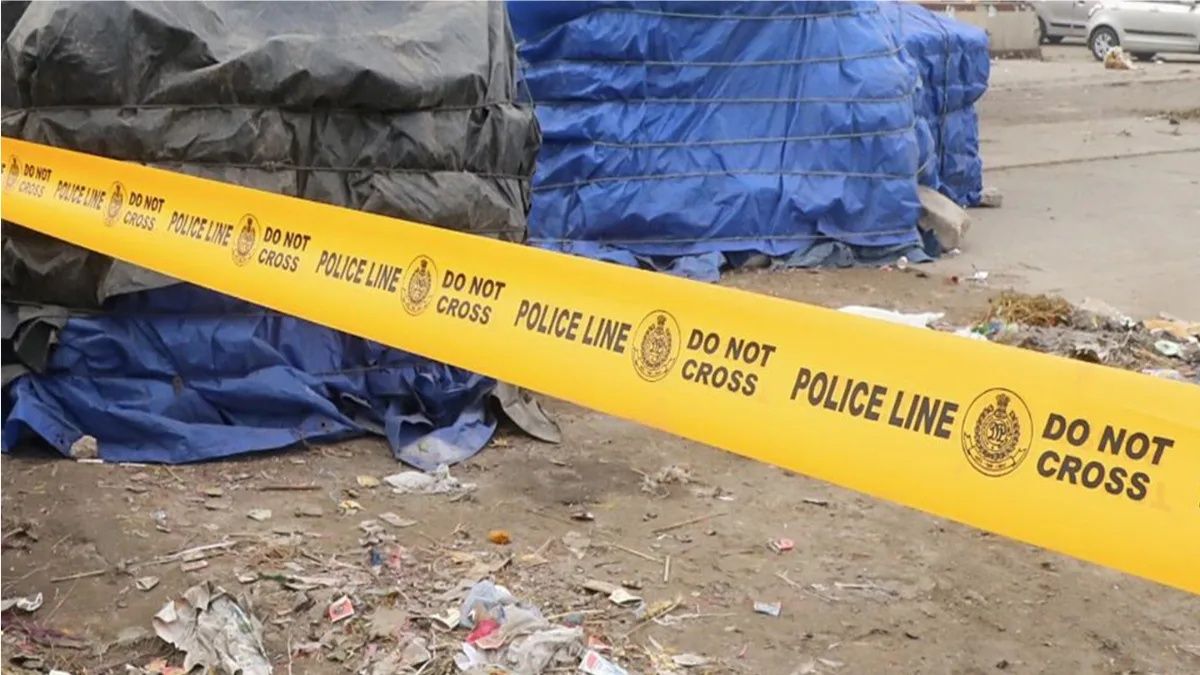
A child's death in a village pond has set off a chain of violent protests across South 24 Parganas district in West Bengal, exposing the explosive tensions that can erupt when communities lose faith in institutional justice. On Sunday, July 5, the body of a 12-year-old girl was discovered floating in a pond near her home at Suryapur, triggering outrage that would lead to the suspected lynching of a youth believed connected to the crime and significant disruptions to public order in the region.
According to her family's account, the girl left home on Saturday evening to purchase food from a nearby shop but failed to return. Relatives alleged that four men forcibly abducted her, though details remain under police investigation. After searching through the night, villagers located her body the following morning, wrapped in a sack and abandoned in the waterway adjacent to her residence. The discovery transformed the locality into a scene of anguish and fury, as hundreds of residents quickly converged on the site.
The immediate aftermath saw the initial recovery hampered by the sheer number of agitated villagers who refused to allow police to remove the body for several hours. This reflected not only grief but also a deep distrust in the capacity of authorities to handle the matter swiftly and seriously. Road blockades were erected across multiple areas, and railway tracks at Suryapur station on the Sealdah-Namkhana line were obstructed, cutting train services for approximately an hour. Demonstrators torched vehicle tyres, damaged cars, and created barriers that remained in place for nearly five hours as security forces negotiated with community leaders.
The situation deteriorated sharply when residents, acting as vigilantes, identified and apprehended a local youth they suspected of involvement in the crime. In a alarming escalation, the mob allegedly beat this young man to death before police could intervene. Officers who attempted to rescue him encountered fierce resistance from the gathered crowd, which hurled stones and other projectiles. The resulting clashes left several police personnel injured, with at least one officer requiring admission to a nursing home for medical treatment.
Official police records indicate that two additional suspects have been formally arrested in connection with the girl's murder, while the youth taken into custody by residents before his death represents a third suspect connected to the investigation. The precise involvement of each person remains subject to police inquiry, though the mob's swift and violent response suggests they had formed their own conclusions about guilt. This pattern mirrors similar incidents across India where communities have taken extrajudicial action when they perceive official mechanisms as inadequate or unreliable.
The police response escalated considerably as the evening progressed. A substantial contingent of officers, reinforced by central paramilitary forces, was deployed to restore order. By mid-afternoon on Sunday, through sustained negotiation and the visible assertion of state authority, police managed to persuade protesters to lift their blockades and allow traffic and rail services to resume. The effort reflected institutional determination to prevent the situation from spiralling further, though significant damage to public confidence had already occurred.
Inspector General of Police for the Presidency Range, Kankar Prasad Barui, visited Baruipur to assess the situation and appeal directly to residents through public address systems. His statement sought to reassure the community that the police would pursue the strongest legal remedies available and that all suspects would face appropriate prosecution. He also committed to expediting the post-mortem examination under proper legal procedures, attempting to demonstrate that official mechanisms, though slower than mob justice, would ultimately deliver accountability. Security pickets were established across the area to deter further violence while investigations proceeded.
West Bengal Chief Minister Suvendu Adhikari engaged directly with the victim's family, speaking by telephone to the bereaved father and extending an invitation for him to meet at Nabanna on Tuesday. Such high-level political attention, while offering symbolic solace, underscores the political sensitivity surrounding child violence cases in India. The Chief Minister's assurance of strict legal punishment and comprehensive government assistance represented an attempt to channel community demands through official channels rather than allowing them to manifest as further mob action.
The incident illuminates recurring tensions in Indian governance, particularly in matters involving sexual violence against children. Communities frequently perceive delays in investigation, prosecution, or conviction as systemic failures that justify their own interventions. The lynching of the suspected perpetrator, whatever his actual culpability, represents a dangerous precedent whereby citizens conclude that official justice is too distant or unreliable to warrant patience. For investigators, this dynamic complicates their work, as they must simultaneously pursue the original crime and document the subsequent mob violence.
Police investigations are now operating on multiple fronts: determining the circumstances of the girl's death, identifying and verifying the involvement of each suspect, examining the role of those who attacked law enforcement during protests, and gathering evidence about the lynching itself. The post-mortem examination at Baruipur Sub-Divisional Hospital will provide crucial medical evidence, though the extended period between the girl's disappearance and the discovery of her body may limit what forensic analysis can determine. In the interim, heightened security measures remain necessary to prevent copycat violence or further communal escalation in what remains a volatile locality.
The Baruipur incident reflects broader challenges facing law enforcement and judicial systems across South Asia, where public confidence in institutional responses to serious crimes remains fragile. Each instance of mob violence following alleged criminal acts reinforces community beliefs that self-help remedies are necessary, creating cycles that overwhelm police resources and undermine rule of law. For a state like West Bengal, managing both the immediate investigation and the restoration of community trust represents a dual imperative that extends far beyond the circumstances of this single tragedy.

