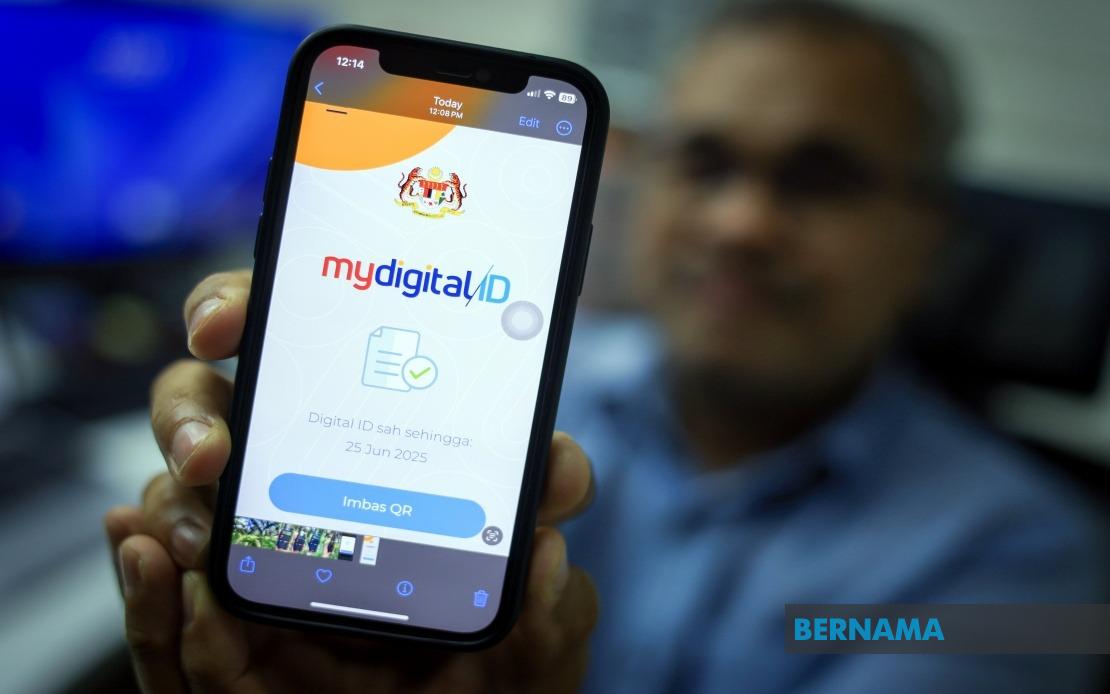
Malaysia's digital identity programme has achieved substantial momentum, with Deputy Prime Minister Datuk Seri Dr Ahmad Zahid Hamidi revealing that 12 million citizens had registered for MyDigital ID by the end of June. The initiative, which represents a cornerstone of the government's digital transformation agenda, has processed 16 million cumulative transactions encompassing registrations, renewals, and cancellations across the entire system to date.
The expansion of MyDigital ID reflects a coordinated push to streamline citizen interaction with government services through a unified digital authentication mechanism. Rather than maintaining fragmented login credentials across dozens of separate platforms, the system allows users to access multiple government portals using a single digital identity. This consolidation strategy addresses a longstanding frustration for Malaysian citizens who previously needed to remember different usernames and passwords for various government agencies.
Ahmad Zahid, responding to parliamentary questions raised by Wong Shu Qi from Kluang, outlined the government's systematic approach to broadening the platform's reach. On January 14, 2025, the Chief Secretary to the Government issued a formal directive mandating all federal ministries, departments, statutory bodies, state secretaries, and local authorities to implement the single sign-on system. This top-down institutional requirement has accelerated integration timelines across the public sector.
As of June 25, 2026, the system now encompasses 114 online government services integrated into the MyDigital ID framework. High-profile applications accessible through the unified portal include MyJPJ for road transport administration, MyPTPTN for loan management, the SPA9 examination system, and the Royal Malaysia Police's MyBayar payment platform. Each integration represents considerable backend technical work, as government agencies must modify their existing systems to authenticate users through the MyDigital ID infrastructure rather than maintaining separate identity verification methods.
The integration strategy extends beyond federal agencies into Malaysia's decentralised state administrative structures. At the state government level, 19 online applications have already completed integration with MyDigital ID, while a further 28 applications remain under active development. This phased expansion acknowledges the complexity of coordinating technology deployment across 13 state administrations with varying infrastructure capabilities and digital maturity levels.
A crucial element of the architecture involves MyGOV Malaysia, the comprehensive government services platform developed by the National Digital Department (JDN). By linking MyDigital ID to MyGOV Malaysia, the government has created a unified digital gateway where citizens can navigate diverse services—from license renewals to tax submissions—without repeatedly verifying their identity. This integration transforms MyGOV Malaysia from a simple information repository into a functional digital service hub.
For Malaysian citizens accustomed to navigating multiple government websites with inconsistent user experiences, the consolidation offers tangible convenience benefits. Researchers studying government digital adoption in Southeast Asia have noted that countries with fragmented e-government systems experience significantly lower citizen engagement rates, as technical friction and authentication fatigue discourage users from accessing available digital services. MyDigital ID addresses this friction point directly.
The programme's expansion also carries implications for Malaysia's regional positioning in digital governance. Indonesia, Thailand, and Singapore have similarly pursued unified digital identity systems as part of national digitisation strategies. Malaysia's achievement of 12 million registrations within the planned timeframe demonstrates competitive progress, though the true measure of success will ultimately depend on sustained citizen adoption and effective service delivery through the integrated platforms.
The technical infrastructure supporting 12 million registered users requires robust cybersecurity architecture, as centralised digital identity systems present concentrated targets for sophisticated cyberattacks. The government's implementation must incorporate encryption standards, multi-factor authentication options, and regular security audits to maintain public confidence in the system's integrity. Any significant security breach would undermine the programme's credibility and discourage further adoption.
Looking forward, the government faces the challenge of ensuring digital inclusion across socioeconomic strata. Rural Malaysians, elderly citizens, and those with limited digital literacy may encounter barriers to registration and platform navigation. The Rural and Regional Development Ministry, which Ahmad Zahid also heads, has responsibility for extending digital services reach into underserved communities. Training programmes and simplified registration processes through physical government offices remain essential for achieving genuinely comprehensive digital participation.

